 Call
Call Patient Reports
- Cardiology 84
- Dermatology 45
- Endocrinology 33
- ENT 16
- Fertility 190
- Gastroenterology 78
- General-Medicine 81
- Gynecology 80
- Hematology 19
- Infectious-Diseases 33
- Neurology 52
- Oncology 34
- Ophthalmology 23
- Orthopedics 69
- Pediatrics 31
- Procedure 23
- Public-Health 144
- Pulmonology 59
- Radiology 8
- Urology 68
- Wellness 161
- Woman-and-child 77
- 3759
- 3.5 Minute
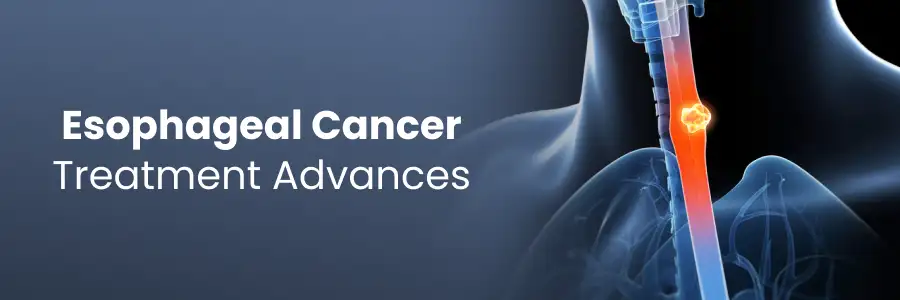
Esophageal Cancer Treatment Advances
Esophageal cancer is a serious and often aggressive disease that affects the esophagus, the tube that carries food from the mouth to the stomach. It is a challenging condition to treat, but recent advances in medical research and technology are offering new hope. In this article, we'll explore the latest esophageal cancer therapies, the progress in research, and the new treatments that are making a significant impact.
Understanding Esophageal Cancer
Before diving into the advances, it’s important to understand what esophageal cancer is. There are two main types: squamous cell carcinoma and adenocarcinoma. Both types require different treatments, making it essential to identify the cancer type accurately.
Get a second opinion from trusted experts and makeconfident, informed decisions.
Get Second OpinionNot sure where to start?
Talk to a patient care advisor — free, confidential, 24/7. We'll match you to the right specialist and book your appointment in minutes.
Risk Factors and Symptoms
Esophageal cancer is often linked to risk factors such as smoking, heavy alcohol use, and gastroesophageal reflux disease (GERD). Common symptoms include difficulty swallowing, chest pain, weight loss, and persistent cough.
The Role of Technology in Esophageal Cancer Treatment
Technology is playing a crucial role in advancing esophageal cancer treatment.
Advanced Imaging Techniques
Advanced imaging techniques, such as PET scans and endoscopic ultrasound, are helping doctors diagnose esophageal cancer earlier and with greater accuracy. Early diagnosis is key to improving treatment outcomes and survival rates.
Precision Radiation Therapy
Precision radiation therapy, like proton beam therapy, allows doctors to target tumors more accurately while sparing healthy surrounding tissue. This reduces side effects and improves the patient's quality of life during treatment.
Future Directions in Esophageal Cancer Treatment
The future of esophageal cancer treatment looks promising, with ongoing research and technological advances paving the way for even more effective therapies.
Liquid Biopsies
Liquid biopsies are a cutting-edge diagnostic tool that can detect cancer cells or DNA from a blood sample. This non-invasive method can help in early detection, monitoring treatment response, and detecting recurrences of esophageal cancer.
Artificial Intelligence
Artificial intelligence (AI) is being used to analyze medical data and identify patterns that can lead to earlier diagnosis and more personalized treatment plans. AI can also help in predicting how patients will respond to different treatments, leading to more effective and tailored therapies.
Your health is everything - prioritize your well-being today.
Schedule Your AppointmentConclusion
The advances in esophageal cancer treatment are offering new hope to patients and their families. From targeted therapies and immunotherapy to genetic research and advanced surgical techniques, the progress in this field is remarkable. As research continues and technology evolves, the future looks brighter for those affected by esophageal cancer.
By staying informed about the latest esophageal cancer therapies and participating in clinical trials, patients can access the most advanced treatments available. While the journey may be challenging, the advancements in treatment are providing a path to better outcomes and improved quality of life for esophageal cancer patients.
Frequently Asked Questions
Advances include targeted therapies, immunotherapy, and minimally invasive surgical techniques.
Consult with oncologists and check with cancer treatment hospital for the latest information.
Yes, inquire with local research institutions and Medicover hospital.
They offer better efficacy, fewer side effects, and more personalized approaches.
Consider effectiveness, potential side effects, and how well the treatment aligns with your needs.
Look for updates from medical journals, research institutions, and cancer treatment hospital.
- Cardiology
- Case Studies
- Dermatology
- Endocrinology
- ENT
- Fertility
- Gastroenterology
- General
- General-Medicine
- Gynecology
- Hematology
- Infectious-Diseases
- Medical News
- Neurology
- Oncology
- Ophthalmology
- Orthopedics
- Pediatrics
- Procedure
- Public-Health
- Pulmonology
- Radiology
- Second Opinion
- Urology
- Wellness
- Woman-and-child
Related Blogs
Still have questions? Speak with our experts now!
040-68334455


