 Call
Call Patient Reports
- Cardiology 84
- Dermatology 45
- Endocrinology 33
- ENT 16
- Fertility 190
- Gastroenterology 78
- General-Medicine 81
- Gynecology 80
- Hematology 19
- Infectious-Diseases 33
- Neurology 52
- Oncology 34
- Ophthalmology 23
- Orthopedics 69
- Pediatrics 31
- Procedure 23
- Public-Health 144
- Pulmonology 59
- Radiology 8
- Urology 68
- Wellness 161
- Woman-and-child 77
- 3759
- 3.5 Minute
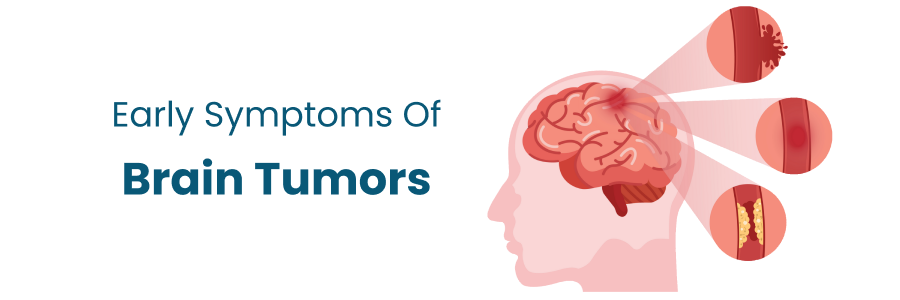
Early Symptoms of Brain Tumors
Brain tumors can be daunting, but recognizing the early signs can make a significant difference in diagnosis and treatment. Early detection is key to better outcomes, and being aware of the symptoms is the first step. In this article, we will explore the early signs of brain tumors, how they can be diagnosed, and what symptoms to watch for.
Get a second opinion from trusted experts and makeconfident, informed decisions.
Get Second OpinionNot sure where to start?
Talk to a patient care advisor — free, confidential, 24/7. We'll match you to the right specialist and book your appointment in minutes.
What is a Brain Tumor?
A brain tumor is an abnormal growth of cells within the brain. They can be benign (non-cancerous) or malignant (cancerous). Both types can cause symptoms and health issues, but malignant tumors are generally more aggressive.
Types of Brain Tumors
- Primary Brain Tumors: These originate in the brain.
- Secondary Brain Tumors: Also known as metastatic brain tumors, these originate elsewhere in the body and spread to the brain.
Early Signs of Brain Tumors
Recognizing early signs can be challenging because symptoms often resemble those of other less serious conditions. However, some key symptoms may indicate the presence of a brain tumor.
Persistent Headaches
One of the most common early signs is persistent headaches. Unlike typical headaches, these tend to be more severe and frequent. They may worsen in the morning or when lying down.
Seizures
Seizures are another significant indicator. They can occur in individuals with no prior history of epilepsy. Seizures caused by brain tumors can be focal (affecting one part of the body) or generalized (affecting the whole body).
Cognitive or Personality Changes
Changes in cognitive functions or personality can also be early signs. These changes might include:
- Memory problems
- Difficulty concentrating
- Mood swings
- Behavioral changes
Nausea and Vomiting
Nausea and vomiting, especially in the morning, can be early signs of a brain tumor. These symptoms occur due to increased pressure within the brain.
Diagnosing Tumors
Detecting a brain tumor early involves several diagnostic steps. Here's an overview:
Medical History and Physical Exam
A doctor will start by taking a detailed medical history and performing a physical exam. They will ask about symptoms and any family history of brain tumors or other cancers.
Neurological Exam
A neurological exam assesses:
- Vision
- Hearing
- Balance
- Coordination
- Reflexes
These tests help determine which part of the brain might be affected by a tumor.
Imaging Tests
Imaging tests are crucial for diagnosing brain tumors. Common imaging tests include:
- MRI (Magnetic Resonance Imaging): Provides detailed images of the brain.
- CT (Computed Tomography) Scan: Helps identify abnormalities within the brain.
- PET (Positron Emission Tomography) Scan: Shows the activity of cells in the brain.
Symptoms to Watch For
Knowing symptoms can aid in early detection. Here are some other symptoms to watch for:
Sensory Changes
Changes in vision, hearing, or sense of smell can indicate a brain tumor. For example, double vision or loss of peripheral vision might be signs.
Speech Difficulties
Difficulty speaking or understanding language can occur if a tumor affects the language centers of the brain.
Weakness or Numbness
Weakness or numbness in the arms or legs, especially on one side of the body, can be a symptom of a brain tumor.
Coordination and Balance Issues
Problems with coordination and balance can arise if the tumor is located in the cerebellum, the part of the brain responsible for motor control.
Hormonal Changes
Tumors in or near the pituitary gland can cause hormonal imbalances, leading to symptoms such as weight gain, menstrual changes, or growth issues.
When to See a Doctor
If you experience any of the symptoms mentioned above, it's essential to see a doctor. Early diagnosis can lead to more effective treatment options and better outcomes.
Preparing for Your Appointment
Before your appointment, note any symptoms you're experiencing, their frequency, and any potential triggers. This information can help your doctor make an accurate diagnosis.
Treatment Options
Treatment for brain tumors depends on the type, size, and location of the tumor, as well as the patient's overall health. Common treatment options include:
Surgery
Surgical removal of the tumor is often the first step if it is accessible and can be safely removed.
Radiation Therapy
Radiation therapy uses high-energy beams to kill cancer cells. It can be used alone or in combination with surgery and chemotherapy.
Chemotherapy
Chemotherapy involves using drugs to kill cancer cells. It can be taken orally or intravenously.
Targeted Therapy
Targeted therapy uses drugs that target specific molecules involved in tumor growth. This approach can minimize damage to healthy cells.
Clinical Trials
Clinical trials offer access to new and experimental treatments. Patients should discuss the possibility of participating in a clinical trial with their doctor.
Your health is everything - prioritize your well-being today.
Schedule Your AppointmentLiving with a Brain Tumor
Living with a brain tumor can be challenging, but support is available. Here are some tips for managing life with a brain tumor:
Support Groups
Joining a support group can provide emotional support and practical advice from others who are going through similar experiences.
Rehabilitation
Rehabilitation services, such as physical therapy, occupational therapy, and speech therapy, can help improve quality of life.
Mental Health Support
Counseling or therapy can help patients and their families cope with the emotional aspects of a brain tumor diagnosis and treatment.
Conclusion
Recognizing the early signs of brain tumors is crucial for timely diagnosis and treatment. By knowing the symptoms to watch for and seeking medical advice when necessary, you can improve the chances of successful treatment and better outcomes. If you or a loved one experience any concerning symptoms, do not hesitate to consult with a healthcare professional.
Frequently Asked Questions
Early symptoms can include persistent headaches, vision changes, nausea, balance issues, seizures, and cognitive changes.
While brain tumors are relatively rare, early detection is crucial for effective treatment, and awareness of symptoms can help with timely diagnosis.
If you experience persistent or worsening symptoms like headaches, seizures, or changes in vision, it’s important to consult a doctor immediately.
Diagnostic tests include MRI, CT scans, and sometimes biopsy to determine the presence and type of brain tumor.
Early detection allows for prompt treatment, which can improve survival rates and reduce the risk of long-term neurological damage.
- Cardiology
- Case Studies
- Dermatology
- Endocrinology
- ENT
- Fertility
- Gastroenterology
- General
- General-Medicine
- Gynecology
- Hematology
- Infectious-Diseases
- Medical News
- Neurology
- Oncology
- Ophthalmology
- Orthopedics
- Pediatrics
- Procedure
- Public-Health
- Pulmonology
- Radiology
- Second Opinion
- Urology
- Wellness
- Woman-and-child
Related Blogs
Still have questions? Speak with our experts now!
040-68334455


