 Call
Call Patient Reports
- Cardiology 84
- Dermatology 45
- Endocrinology 33
- ENT 16
- Fertility 190
- Gastroenterology 78
- General-Medicine 81
- Gynecology 80
- Hematology 19
- Infectious-Diseases 33
- Neurology 52
- Oncology 34
- Ophthalmology 23
- Orthopedics 69
- Pediatrics 31
- Procedure 23
- Public-Health 144
- Pulmonology 59
- Radiology 8
- Urology 68
- Wellness 161
- Woman-and-child 77
- 3597
- 3.8 Minute
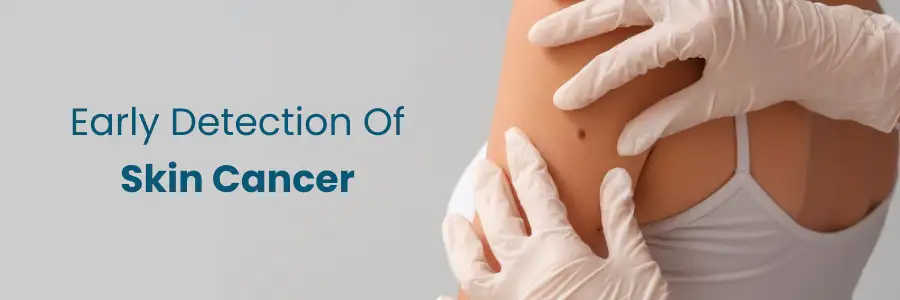
Early Detection & Treatment of Skin Cancer in Vizag
Skin cancer is one of the most common types of cancer worldwide, and its prevalence is on the rise. Early detection of skin cancer can significantly increase the chances of successful treatment and improve survival rates. Medicover Hospitals in Vizag offers comprehensive dermatology services aimed at the early detection and treatment of skin cancer. This article delves into the importance of early detection, the signs to watch out for, and the innovative methods used by Medicover Hospitals to identify skin cancer early.
Why Early Detection of Skin Cancer Matters
Early detection of skin cancer is crucial for several reasons.
Higher Survival Rates
Detecting skin cancer early can drastically improve survival rates. Many forms of skin cancer are highly treatable when detected at an early stage. Early-stage melanoma, for example, has a five-year survival rate of approximately 99%, whereas the survival rate drops significantly if the cancer has spread to other parts of the body.
Get a second opinion from trusted experts and makeconfident, informed decisions.
Get Second OpinionNot sure where to start?
Talk to a patient care advisor — free, confidential, 24/7. We'll match you to the right specialist and book your appointment in minutes.
Less Invasive Treatment
Early detection often means that the treatment required is less invasive. More minor, localized tumours can usually be removed surgically with minimal impact on the surrounding tissues. In contrast, advanced skin cancer may require more extensive surgery, chemotherapy, or radiation therapy, which can be more physically taxing and emotionally draining for patients.
Early Signs of Skin Cancer
Knowing the early signs of skin cancer is the first step in effective early detection.
Changes in Existing Moles
One of the most common early signs of skin cancer is a change in an existing mole. This can include changes in size, shape, colour, or texture. Moles that become asymmetrical, have irregular borders, or exhibit multiple colours should be examined by a healthcare professional.
New Growths
New growths or lesions on the skin that do not heal over time should also be a cause for concern. These can manifest as small, shiny bumps, red patches, or open sores that bleed or crust over.
Itching or Pain
Persistent itching or pain in a particular area of the skin can be another early sign of skin cancer. While not all skin cancers cause discomfort, any unusual sensations should be evaluated by a dermatologist.
Advanced Skin Cancer Detection Methods at Medicover Hospitals
Medicover Hospitals in Vizag employ a range of advanced methods to detect skin cancer early.
Dermoscopy
Dermoscopy is a non-invasive diagnostic tool that allows dermatologists to examine the skin in detail. By magnifying the skin's surface, dermoscopy can reveal structures and patterns not visible to the naked eye, aiding in the early detection of melanoma and other skin cancers.
Skin Biopsy
If a suspicious lesion is identified, a skin biopsy may be performed. This involves removing a small sample of the affected skin for laboratory analysis. Biopsies are essential for confirming a diagnosis of skin cancer and determining its type and stage.
Skin Cancer Detection App
One of the innovative approaches at Medicover Hospitals is the use of a skin cancer detection app. This app uses artificial intelligence to analyze images of skin lesions and assess the likelihood of cancer. While not a substitute for professional medical evaluation, the app can serve as a valuable tool for preliminary screening and monitoring.
Skin Cancer Screening Programs
Regular skin cancer screening is an effective strategy for early detection.
Full-Body Skin Exams
Medicover Hospitals offers full-body skin exams conducted by experienced dermatologists. These exams involve a thorough inspection of the entire skin surface to identify suspicious lesions. Regular screenings are particularly important for individuals at high risk of skin cancer, such as those with fair skin, a history of sunburns, or a family history of skin cancer.
Patient Education and Awareness Campaigns
Education is a critical component of early detection. Medicover Hospitals conducts patient education and awareness campaigns to inform the public about the importance of skin cancer screening, the early signs of skin cancer, and preventive measures. By empowering individuals with knowledge, these campaigns aim to promote proactive health behaviours.
Your health is everything - prioritize your well-being today.
Schedule Your AppointmentThe Role of Technology in Skin Cancer Detection
Technology plays a significant role in modern dermatology and the early detection of skin cancer.
AI and Machine Learning
Artificial intelligence (AI) and machine learning algorithms are being increasingly integrated into skin cancer detection tools. These technologies can analyze vast amounts of data and identify patterns that may be indicative of cancer. The skin cancer detection app used at Medicover Hospitals is one such example, leveraging AI to provide preliminary assessments.
Teledermatology
Teledermatology is another technological advancement that is transforming the field. Patients can now consult with dermatologists remotely, sharing images of their skin lesions for professional evaluation. This is particularly beneficial for individuals who may need easy access to specialized dermatology services.
Conclusion
Early detection of skin cancer is vital for effective treatment and improved survival rates. Medicover Hospitals in Vizag offers latest dermatology services, including advanced diagnostic tools and innovative technologies, to ensure that skin cancer is identified and treated at the earliest possible stage. By staying vigilant for the early signs of skin cancer and participating in regular screenings, individuals can take proactive steps to protect their health.
Frequently Asked Questions
Treatment options include surgery, radiation therapy, chemotherapy, and targeted therapies.
Discuss with your oncologist to determine the best option based on cancer type and stage.
Yes, specialized hospitals offer complete skin cancer care.
Expect a combination of treatments, regular monitoring, and supportive care.
Follow your doctor’s advice and utilize supportive care services.
Consult other specialists or Medicover Hospital for additional perception.
- Cardiology
- Case Studies
- Dermatology
- Endocrinology
- ENT
- Fertility
- Gastroenterology
- General
- General-Medicine
- Gynecology
- Hematology
- Infectious-Diseases
- Medical News
- Neurology
- Oncology
- Ophthalmology
- Orthopedics
- Pediatrics
- Procedure
- Public-Health
- Pulmonology
- Radiology
- Second Opinion
- Urology
- Wellness
- Woman-and-child
Related Blogs
Still have questions? Speak with our experts now!
040-68334455


