 Call
Call Patient Reports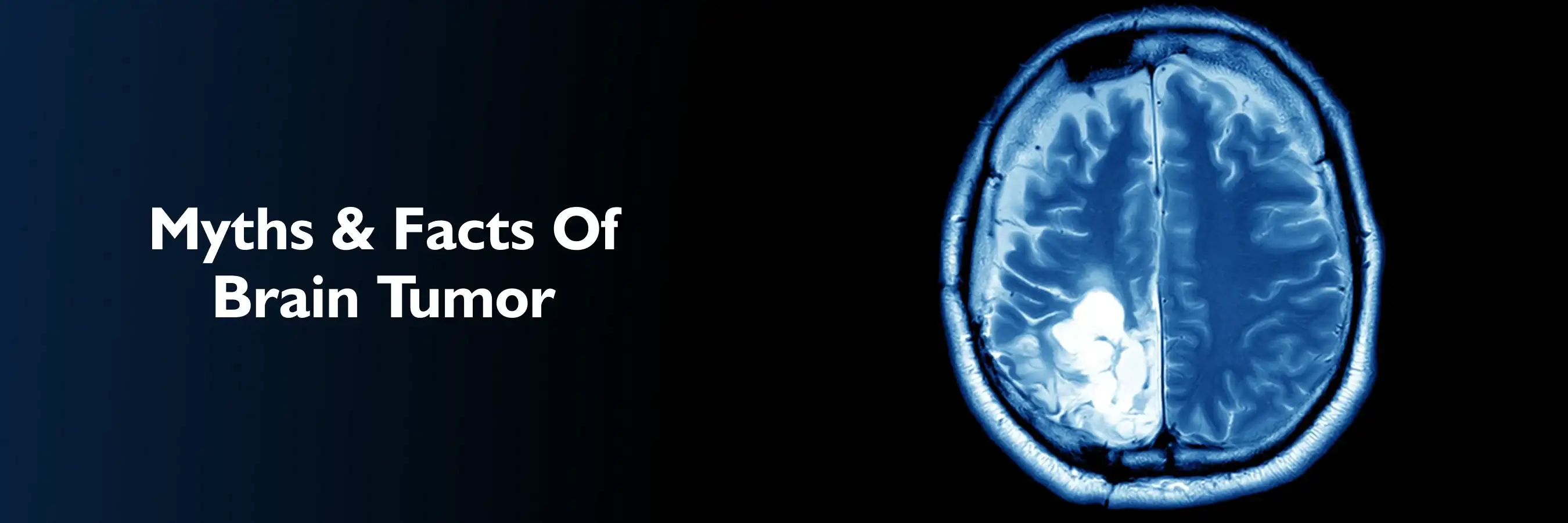
- 3276
- 3 Minutes
Brain Tumors Common Misconceptions, Symptoms, Myths & Facts
When people hear the words “brain tumor,” it often brings fear and confusion. While brain tumors are serious, not everything we hear about them is true.
Misinformation can lead to unnecessary panic or delay in seeking the right treatment. In this blog, we’ll explain what brain tumors are and clear up some of the most common myths and misconceptions.
What is a Brain Tumor?
A brain tumor is a growth of abnormal cells in or around the brain. These tumors can be benign (non-cancerous) or malignant (cancerous). Some tumors grow slowly, while others spread quickly and affect brain function.
There are many types of brain tumors. Some start in the brain (called primary brain tumors), and others may spread to the brain from other parts of the body (called secondary or metastatic brain tumors).
Get a second opinion from trusted experts and makeconfident, informed decisions.
Get Second OpinionNot sure where to start?
Talk to a patient care advisor — free, confidential, 24/7. We'll match you to the right specialist and book your appointment in minutes.
Signs and Symptoms of Brain Tumors
Brain tumor symptoms can vary, but here are some common ones:
- Frequent or severe headaches
- Seizures
- Vision or hearing problems
- Nausea or vomiting
- Memory issues
- Trouble speaking or understanding
- Weakness or numbness in the body
If you or someone you know is having any of these symptoms often, it’s important to see a doctor for evaluation.
Common Misconceptions About Brain Tumors
Let’s take a look at some of the most common myths and what the truth really is:
1. Myth: All brain tumors are cancerous.
Fact: Not all brain tumors are cancerous. Many are benign and do not spread to other parts of the body. However, even benign tumors can cause problems depending on their size and location.
2. Myth: Brain tumors always cause headaches.
Fact: While headaches are a common symptom, not all brain tumor patients have them. Symptoms depend on the tumor’s location and can include vision problems, seizures, memory loss, or difficulty speaking.
3. Myth: Using mobile phones causes brain tumors.
Fact: So far, there is no strong scientific proof that mobile phone use causes brain tumors. Research is ongoing, but current evidence does not show a clear link.
4. Myth: Brain tumors cannot be treated.
Fact: Many brain tumors can be treated with surgery, radiation, chemotherapy, or targeted therapy. Early detection and proper treatment improve outcomes in many cases.
5. Myth: Only older adults get brain tumors.
Fact: Brain tumors can affect people of all ages, including children. Some types are more common in children, while others are more common in adults.
6. Myth: A brain tumor always leads to death.
Fact: This is not true for many people. With early diagnosis and proper treatment, many patients live for years and even recover completely from certain types of tumors.
Importance of Early Diagnosis
Early diagnosis plays a key role in successful treatment. If a tumor is found early, doctors have more treatment options and a better chance of controlling or removing it.
MRI scans, CT scans, and biopsies help doctors understand the type and stage of the tumor.
Your health is everything - prioritize your well-being today.
Schedule Your AppointmentConclusion
Brain tumors are serious, but many beliefs about them are based on myths, not facts. It’s important to stay informed with accurate information and consult a medical professional if you have concerns.
Early detection, modern treatments, and supportive care make a big difference in managing brain tumors.
Frequently Asked Questions
Brain tumors can go unnoticed for months or years if symptoms are mild or mistaken for other problems. They are often found only when symptoms worsen or during brain scans.
If you're worried, talk to a doctor. Getting a proper check-up or scan can ease fear. Avoid reading too much online and focus on healthy habits and mental well-being.
In early stages, symptoms may be mild like headaches, mood changes, or forgetfulness. Some people may not notice anything until the tumor gets bigger or affects brain function.
There is no guaranteed way to prevent brain tumors. Reduce risk by avoiding radiation exposure, living a healthy lifestyle, and getting regular check-ups if you’re at higher risk.
A brain tumor is confirmed by imaging tests like MRI or CT scans. If needed, a biopsy (tissue sample) is done to check if it’s cancerous or not, and to plan proper treatment.
Yes, many people live long and full lives with brain tumors, especially if treated early. Regular follow-ups, treatment, and lifestyle care can help manage the condition well.
Some brain tumors are curable, especially if benign or found early. Others may not be fully curable but can be managed well with surgery, radiation, or medication.
A brain tumor is often called large if it’s over 5 centimeters. But even small tumors can cause problems, depending on where they are in the brain and how fast they grow.
- Cardiology
- Case Studies
- Dermatology
- Endocrinology
- ENT
- Fertility
- Gastroenterology
- General
- General-Medicine
- Gynecology
- Hematology
- Infectious-Diseases
- Medical News
- Neurology
- Oncology
- Ophthalmology
- Orthopedics
- Pediatrics
- Procedure
- Public-Health
- Pulmonology
- Radiology
- Second Opinion
- Urology
- Wellness
- Woman-and-child
Related Blogs
Still have questions? Speak with our experts now!
040-68334455


