 Call
Call Patient Reports
- Cardiology 84
- Dermatology 45
- Endocrinology 33
- ENT 16
- Fertility 190
- Gastroenterology 78
- General-Medicine 81
- Gynecology 80
- Hematology 19
- Infectious-Diseases 33
- Neurology 52
- Oncology 34
- Ophthalmology 23
- Orthopedics 69
- Pediatrics 31
- Procedure 23
- Public-Health 144
- Pulmonology 59
- Radiology 8
- Urology 68
- Wellness 161
- Woman-and-child 77
- 3814
- 3.4 Minute
Bladder Cancer Symptoms and Diagnosis at Medicover Hospitals, Vizag
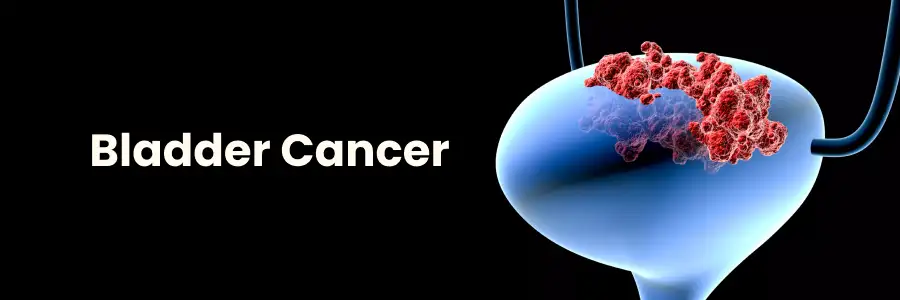
Bladder cancer is a serious condition that affects thousands each year. Early detection and timely diagnosis are crucial for effective treatment and improving survival rates. At Medicover Hospitals in Vizag, we offer advanced diagnostic and treatment options for bladder cancer, ensuring patients receive the best possible care.
Get a second opinion from trusted experts and makeconfident, informed decisions.
Get Second OpinionNot sure where to start?
Talk to a patient care advisor — free, confidential, 24/7. We'll match you to the right specialist and book your appointment in minutes.
Understanding Bladder Cancer
Bladder cancer occurs when abnormal cells in the bladder grow uncontrollably, forming tumors that may spread to other parts of the body. The bladder, a hollow organ located in the lower abdomen, stores urine before excretion. The most common type of bladder cancer is transitional cell carcinoma (urothelial carcinoma), originating in the cells lining the inside of the bladder.
Other types include:
- Squamous cell carcinoma: Arises from different cell types within the bladder.
- Adenocarcinoma: A less common type originating from glandular cells.
Common Symptoms of Bladder Cancer
Recognizing bladder cancer symptoms early can significantly impact treatment effectiveness. Common symptoms include:
1. Blood in the Urine (Hematuria)
- Urine may appear pink, red or brown.
- Blood may not always be visible. Sometimes, it's detected only through a urine test.
- Hematuria can be intermittent, so regular check-ups are crucial.
2. Frequent Urination
- Increased need to urinate, even with an empty bladder.
- Frequent trips to the bathroom, both day and night.
- Urgency and, in some cases, incontinence.
3. Painful Urination (Dysuria)
- A burning sensation or pain during urination.
- Often due to irritation or inflammation caused by the tumor.
4. Pelvic Pain
- Persistent pain in the lower abdomen or bladder area.
- Pain intensity may vary, often accompanied by discomfort or pressure.
5. Back Pain
- Pain in the lower back, specifically around the kidneys.
- It may be constant or intermittent, varying in intensity.
Bladder Cancer Diagnosis at Medicover Hospitals
Early diagnosis is essential for effective treatment. At Medicover Hospitals in Vizag, we use advanced diagnostic techniques to accurately identify bladder cancer and determine its stage:
1. Urinalysis
- Detects blood, cancer cells and other substances in the urine.
- Often, the first step in diagnosing bladder issues.
2. Cystoscopy
- A procedure using a thin, flexible tube with a camera to examine the bladder's interior.
- Performed under local or general anesthesia, it can also involve biopsy if suspicious areas are detected.
3. Imaging Tests
- Includes CT scans, MRI scans, and ultrasounds.
- Provides detailed images of the bladder and surrounding structures to determine the size, location, and extent of cancer.
4. Biopsy
- Involves removing a small tissue sample from the bladder for microscopic examination.
- Often performed during cystoscopy to provide a definitive diagnosis.
Treatment Options for Bladder Cancer
Once diagnosed, a personalized treatment plan is developed. Treatment options at Medicover Hospitals in Vizag include:
1. Surgery
- Transurethral resection (TURBT): Removes the tumor through the urethra for early-stage cancer.
- Partial or Radical Cystectomy: Removes part or all of the bladder for more advanced cases.
2. Chemotherapy
- Uses powerful drugs to kill cancer cells, administered either systemically or directly into the bladder (intravesical therapy).
3. Radiation Therapy
- High-energy beams target and destroy cancer cells.
- Often used for patients not eligible for surgery.
4. Immunotherapy
- Harnesses the immune system to fight cancer, which is especially effective for certain bladder cancer types.
Conclusion
Bladder cancer is a serious condition that requires prompt diagnosis and treatment. At Medicover Hospitals in Vizag, we are committed to providing advanced diagnostic and treatment options to ensure the best possible outcomes for our patients.
If you or a loved one is experiencing symptoms of bladder cancer, don't hesitate to seek medical attention. Early detection and timely intervention can make a significant difference in the fight against bladder cancer.
Your health is everything - prioritize your well-being today.
Schedule Your AppointmentFrequently Asked Questions
Symptoms of bladder cancer include blood in urine, frequent urination, pain during urination, and lower abdominal pain. Diagnosis typically involves urine tests, cystoscopy, and imaging studies such as CT scans.
Bladder cancer is diagnosed through a combination of urine tests, cystoscopy (a procedure to view the bladder), and biopsy to examine tissue samples. Imaging tests may also be used to determine the extent of the disease.
Common diagnostic tests include urine cytology, cystoscopy, biopsy, and imaging tests such as CT scans or MRIs.
Early signs include blood in the urine, frequent and urgent need to urinate, pain or discomfort during urination, and pelvic pain. Consult a healthcare provider if you experience any of these symptoms.
Medicover hospitals and medicover hospitals may offer screening programs or educational resources. Contact these facilities for information on available programs and screenings.
If you have symptoms, schedule an appointment with a healthcare provider for evaluation and diagnostic testing. Early diagnosis is key to effective treatment.
- Cardiology
- Case Studies
- Dermatology
- Endocrinology
- ENT
- Fertility
- Gastroenterology
- General
- General-Medicine
- Gynecology
- Hematology
- Infectious-Diseases
- Medical News
- Neurology
- Oncology
- Ophthalmology
- Orthopedics
- Pediatrics
- Procedure
- Public-Health
- Pulmonology
- Radiology
- Second Opinion
- Urology
- Wellness
- Woman-and-child
Related Blogs
Still have questions? Speak with our experts now!
040-68334455


