 Call
Call Patient Reports
- Cardiology 84
- Dermatology 45
- Endocrinology 33
- ENT 16
- Fertility 190
- Gastroenterology 78
- General-Medicine 81
- Gynecology 80
- Hematology 19
- Infectious-Diseases 33
- Neurology 52
- Oncology 34
- Ophthalmology 23
- Orthopedics 69
- Pediatrics 31
- Procedure 23
- Public-Health 144
- Pulmonology 59
- Radiology 8
- Urology 68
- Wellness 161
- Woman-and-child 77
- 2748
- 3.7 Minute
Written by Medicover Team and Medically Reviewed by Dr Sudhir Suryakant Shetkar, Senior Consultant Interventional Cardiologist
Emergency Heart Attack Care and Acute Coronary Syndrome Treatment in Nashik
Heart attacks can happen suddenly, often without much warning. What many people don't realize is that the body usually gives early signs before a serious event occurs. Ignoring these signals or delaying treatment can increase the risk of complications.
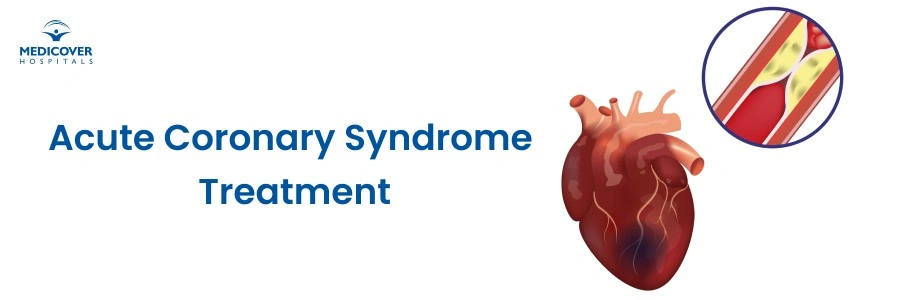
Acute Coronary Syndrome (ACS) is a term used for conditions where blood flow to the heart is suddenly reduced or blocked. It includes heart attacks and unstable angina. With timely medical care, many lives can be saved, and long-term damage can be reduced.
What is Acute Coronary Syndrome?
Acute Coronary Syndrome occurs when the blood supply to the heart muscle is disrupted. This usually happens due to a blockage in the coronary arteries.
The heart needs a constant flow of oxygen-rich blood. When this flow is reduced, even for a short time, it can damage the heart muscle.
Common symptoms include:
- Chest pain or pressure
- Pain spreading to the arm, jaw, or back
- Shortness of breath
- Sweating or nausea
- Sudden fatigue or dizziness
In fast-paced areas like Hoodi, people often ignore these symptoms, thinking they are stress-related. But it's always better to get checked early.
Types of Acute Coronary Syndrome
Doctors usually classify ACS into three main types:
Unstable Angina
This is chest pain that occurs unexpectedly, even at rest. It is often an early warning sign of a heart attack.
NSTEMI (Non-ST Elevation Myocardial Infarction)
This type of heart attack is less severe but still requires immediate care.
STEMI (ST Elevation Myocardial Infarction)
This is a major heart attack caused by a complete blockage of a coronary artery. It needs urgent treatment.
Get a second opinion from trusted experts and makeconfident, informed decisions.
Get Second OpinionNot sure where to start?
Talk to a patient care advisor — free, confidential, 24/7. We'll match you to the right specialist and book your appointment in minutes.
Treatment Options for Acute Coronary Syndrome
Treatment depends on how severe the condition is and how quickly the patient receives care. The main goal is to restore blood flow to the heart as soon as possible.
Medications
Doctors may give medicines to:
- Thin the blood
- Reduce chest pain
- Lower blood pressure
- Prevent further clot formation
Angioplasty and Stenting
This is one of the most common treatments. A small balloon is used to open the blocked artery, and a stent is placed to keep it open.
Coronary Artery Bypass Surgery (CABG)
In severe cases, surgery may be needed to create a new path for blood flow around the blockage.
People traveling through ITPL Main Road often prefer hospitals that offer quick access to emergency cardiac care, as time plays a critical role in saving heart muscle.
Why Early Treatment Matters
In heart attack cases, every minute counts. The longer the heart muscle is deprived of blood, the higher the risk of permanent damage.
Benefits of early treatment:
- Reduces heart muscle damage
- Improves survival chances
- Prevents complications
- Speeds up recovery
Residents around Ayyappa Nagar are increasingly becoming aware of the importance of early cardiac care and timely hospital visits.
Your health is everything - prioritize your well-being today.
Schedule Your AppointmentRecovery and Lifestyle After Treatment
After treatment, recovery depends on both medical care and lifestyle changes. Patients are usually advised to follow a heart-friendly routine.
Simple steps for recovery:
- Eat a balanced and low-fat diet
- Stay physically active as advised by your doctor
- Avoid smoking and manage stress
- Take medications regularly
Even in developing regions like Hobli, more people are now focusing on preventive care to avoid repeat heart issues.
Choosing the Right Cardiology Care
During a heart attack, getting the right care quickly is very important. Choosing a hospital with experienced cardiologists and proper facilities can help improve treatment results and support a safer recovery.
You can consult the Best Cardiology Hospital in Nashik Maharashtra, for timely diagnosis and treatment.
For specialized cardiac procedures, an experienced Acute Coronary Syndrome Treatment Doctor in Nashik can guide you with the right approach.
You can also meet the Best Cardiologists in Nashik Maharashtra, for Advanced Heart Care & Interventional Procedures
to explore treatment options and expert care.
Conclusion
A heart attack is a life-threatening condition that needs immediate medical attention, but timely care can make a strong difference in recovery. Noticing the early signs and getting medical help right away can help prevent complications and improve outcomes.
If you or someone around you experiences symptoms, don't wait. Getting immediate care can protect your heart and save your life.
Taking that first step toward medical consultation can make all the difference in staying healthy and active.
Frequently Asked Questions
Common signs include chest pain or pressure, pain in the arm or jaw, shortness of breath, sweating, and sudden tiredness. Some people may also feel nausea or dizziness.
Not always. Many people notice warning signs hours or even days before a heart attack. These symptoms can appear and fade, so they are often overlooked.
Treatment can involve medicines, angioplasty with stent placement, or bypass surgery. The option chosen depends on how severe the blockage is and the patient’s overall condition.
People with high blood pressure, diabetes, high cholesterol, smoking habits, or a family history of heart disease are at higher risk.
Recovery time varies from person to person. With proper treatment and lifestyle changes, many people return to normal activities within a few weeks to months.
- Cardiology
- Case Studies
- Dermatology
- Endocrinology
- ENT
- Fertility
- Gastroenterology
- General
- General-Medicine
- Gynecology
- Hematology
- Infectious-Diseases
- Medical News
- Neurology
- Oncology
- Ophthalmology
- Orthopedics
- Pediatrics
- Procedure
- Public-Health
- Pulmonology
- Radiology
- Second Opinion
- Urology
- Wellness
- Woman-and-child
Related Blogs
Still have questions? Speak with our experts now!
040-68334455


