 Call
Call Patient Reports
Table of Contents

Best Interventional Radiology Hospital Near Me | Advanced Image-Guided Treatments
Interventional Radiology uses advanced imaging techniques such as ultrasound, CT scan and fluoroscopy to perform minimally invasive procedures. At Medicover, we are recognised as the best interventional radiology hospital in India, offering precise, safe and effective treatments without the need for major surgeries. Our team of expert interventional radiologists uses cutting-edge technology to diagnose and treat conditions like vascular disorders, tumours, kidney diseases and liver complications with shorter recovery times, less pain and high success rates.
5,000+
Minimally Invasive Procedures
95%
Procedural Success
24/7
Emergency Support
Why Choose Medicover for Interventional Radiology in India?
Medicover Hospitals offers advanced interventional radiology services using image-guided, minimally invasive procedures to diagnose and treat a wide range of conditions. Our experienced specialists and modern technology help provide effective treatment with reduced discomfort and faster recovery.
Experienced Interventional Radiologists
Our specialists are highly trained in performing complex image-guided procedures with precision and care.
Minimally Invasive Treatment Options
Many procedures are performed through small incisions, which may help reduce pain, scarring, and recovery time.
Advanced Imaging Technology
We use modern imaging systems such as ultrasound, CT, and fluoroscopy to guide procedures accurately.
Comprehensive Interventional Procedures
We offer treatment for vascular disorders, tumours, liver diseases, kidney conditions, and many other medical problems.
Personalised Treatment Plans
Each patient receives a customised treatment approach based on their condition, medical history, and healthcare needs.
Reduced Hospital Stay
Many interventional radiology procedures allow patients to return home sooner compared to traditional surgery.
Multidisciplinary Care Approach
Our interventional radiologists work closely with surgeons, physicians, and other specialists to ensure coordinated care.
Focus on Safety and Recovery
We follow strict safety protocols and provide comprehensive follow-up care to support smooth recovery and better outcomes.
Our Interventional Radiologists
Our team of interventional radiologists is experienced in performing minimally invasive, image-guided procedures with precision and a patient-focused approach. Close coordination with multidisciplinary teams supports accurate diagnosis and targeted treatment planning for a wide range of conditions. At Medicover Hospitals, the focus remains on advanced techniques, reduced recovery time, and effective outcomes to improve overall patient care.

Dr Devara Anil Kashi Vishnuvardhan

Dr Sandeep Botcha

Dr Amol Ratnakar Bhalekar
Our Interventional Radiology Services Near You
Medicover Hospitals offers interventional radiology services across multiple hospitals, providing minimally invasive procedures guided by advanced imaging technology. Our specialists treat various conditions with less pain and faster recovery.
















Interventional Radiology Treatments & Procedures
We offer a complete range of interventional radiology procedures like both emergency and planned treatments, utilising image-guided, minimally invasive methods to minimise pain, reduce risks and expedite recovery time.
Angioplasty and Stent Placement
Minimally invasive procedures to open narrowed blood vessels and restore healthy blood flow.
Embolization Procedures
Targeted treatments that block abnormal blood vessels to control bleeding or shrink tumors.
Radiofrequency Ablation (RFA)
Image-guided therapy that uses heat energy to destroy abnormal or cancerous tissue.
Image-Guided Biopsies
Precision diagnostic procedures that obtain tissue samples using advanced imaging guidance.
Thrombolysis & Thrombectomy
Specialized treatments to dissolve or remove blood clots and restore circulation.
Uterine Fibroid Embolization (UFE)
Minimally invasive procedure that shrinks fibroids by blocking their blood supply.
Chemoembolization (TACE)
Targeted cancer treatment that delivers chemotherapy directly to tumors while restricting blood flow.
Vertebroplasty & Kyphoplasty
Image-guided procedures that stabilize spinal fractures and relieve back pain.
Nephrostomy & Biliary Drainage
Minimally invasive drainage procedures to relieve urinary or biliary tract obstruction.
Vascular Access Procedures
Specialized techniques for establishing reliable access for medications, dialysis, and treatments.
Common Diseases Treated by Interventional Radiology
Our interventional radiologists in India utilise advanced imaging techniques to treat a wide range of complex conditions without the need for major surgery. From vascular disorders to organ-related complications, these minimally invasive procedures ensure faster recovery, reduced risks and effective outcomes for patients.
- Peripheral Arterial Disease (PAD)
- Cholesterol Embolism
- Dolichoectasia
- Dry Gangrene
- Fibromuscular Dysplasia (FMD)
- Paradoxical Embolism
Advanced Technology in Interventional Radiology
Medicover Hospitals uses advanced imaging guidance systems and minimally invasive technologies to perform precise procedures, reduce recovery time, and enhance patient outcomes.
- Ultrasound, X-ray & CT Imaging
- Minimally Invasive Care
- Shorter Hospital Stays
- Treats Complex Conditions
- High-Precision Machines
- Day-Care Friendly
- Emergency & Planned Use
Patient Reviews & Success Stories
Hear from our patients about their treatment experiences

Interventional Neuro Radiologist about COVID19 and How it Effects The Brain
Dr. Sibasanka Dalai, Interventional Neuro Radiologist, Medicover Hospitals, Visakhapatnam shares his expertise on COVID-19 and how it can effect the brain.
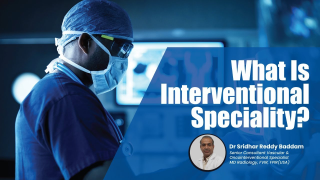
What Is Interventional Speciality?
In this video, Dr. Sridhar Reddy Baddam, Senior Consultant Vascular & Oncointerventional Specialist, Medicover Hospitals, has shared information on Interventional Speciality.
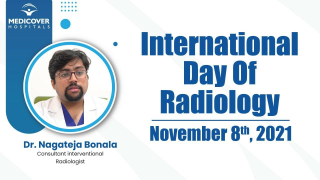
International Day Of Radiology | Interventional Radiology
In this video, Dr. Nagateja Bonala, Consultant Interventional Radiologist, Medicover Cancer Institute, has shared information on Interventional Radiology.

Heart Conditions That Require Interventional Procedures
In this video, Dr. Keshav Dada Kale, Consultant & Interventional Cardiologist at Medicover Hospitals, explains the key heart conditions that require interventional cardiology procedures.
What is EBUS? | Interventional Pulmonology
In this video, Dr. Katamreddy Kowshik Reddy, Consultant Clinical & Interventional Pulmonologist, Medicover Hospitals, Nellore, shares valuable information on Interventional Pulmonology (EBUS).
What Are The Symptoms Of Viral Illness?
In this video, Dr. V Raja Manohar Acharyulu, Consultant Pulmonologist, Medicover Hospitals, has shared information on Viral Illness.
Your Health is Our Priority
At Medicover, our goal is to provide complete interventional radiology care with precision and empathy. From prevention to post-surgery recovery, our experts guide you at every step to provide safe treatments, a faster recovery and long-term wellness.




Available 24/7 for Emergency Cases

Frequently Asked Questions
1. What is interventional radiology used for in modern healthcare?
Interventional radiology is used to diagnose and treat vascular disease, tumors, bleeding disorders and organ conditions through image-guided minimally invasive procedures.
2. How does interventional radiology reduce the need for surgery?
Interventional radiology uses catheters, imaging guidance and targeted treatment methods that avoid large incisions and reduce recovery time significantly.
3. What conditions are commonly treated by interventional radiologists?
Interventional radiologists commonly treat blocked arteries, liver tumors, kidney obstruction, uterine fibroids, varicose veins and chronic pain conditions.
4. Are interventional radiology procedures painful or high risk?
Most interventional radiology procedures involve minimal discomfort and lower complication risk because they use small incisions and image-guided treatment techniques.
5. What imaging methods are used during interventional radiology treatment?
Doctors use ultrasound, fluoroscopy, CT scans and MRI guidance to perform precise interventional radiology procedures safely and accurately.
6. Can interventional radiology help treat cancer without major surgery?
Interventional radiology offers targeted cancer treatments like tumor ablation and embolization that may reduce tumor growth without extensive surgery.
7. How long does hospital stay last after interventional radiology procedures?
Many interventional radiology procedures require shorter hospital stays, with some patients discharged the same day depending on the treatment type.
8. What are the advantages of minimally invasive vascular procedures?
Minimally invasive vascular treatments improve blood circulation with less pain, smaller scars, quicker healing and lower risk compared to open surgery.
9. When should someone consult an interventional radiologist?
Patients may consult an interventional radiologist for vascular disease, chronic pain, tumors or conditions requiring minimally invasive treatment options.
10. Can interventional radiology support long-term pain management?
Image-guided injections and nerve block procedures in interventional radiology help manage chronic pain while reducing dependence on long-term medications.


