What Is a Vasectomy?
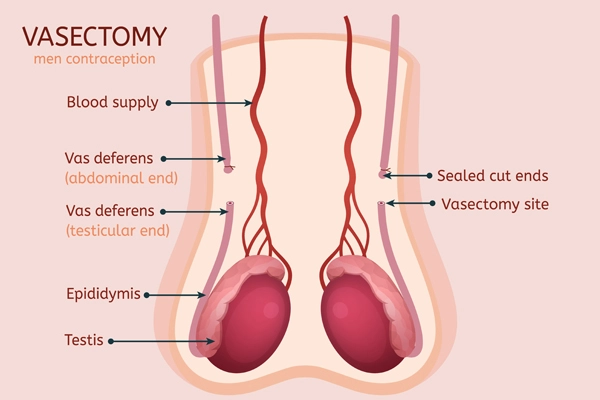
Vasectomy surgery is a minor surgical procedure for men that prevents sperm from joining the semen. This makes it a permanent form of birth control. During the procedure, the vas deferens the tubes that carry sperm from the testicles to the urethra are sealed or cut.
Vasectomy is a safe and widely used method for preventing pregnancy. It is quick, effective and usually done under local anesthesia. However, it does not offer protection against sexually transmitted infections (STIs), so other precautions may still be needed.
Types of Vasectomy
There are mainly two types of vasectomy procedures: Conventional Vasectomy and No-Scalpel Vasectomy.
- Conventional Vasectomy: In this traditional method, the surgeon makes small cuts in the scrotum to access the vas deferens. The tubes are then sealed or cut to prevent sperm from reaching the semen.
- No-Scalpel Vasectomy: This is a less invasive technique where the surgeon makes a tiny puncture instead of a cut. It usually causes less bleeding, less pain, and a faster recovery.
Both methods are highly effective for permanent birth control, and the choice depends on the patient's preference, health, and the surgeon's recommendation.
15-30 Minutes
Surgery Duration
Local Anesthesia
Anesthesia Used
2-4 Weeks
Full Recovery Timeline

When is a Vasectomy Recommended?
A vasectomy is a reliable and permanent method of birth control for men who are certain they do not want to father children in the future. Here are the main situations when it is usually considered:
- Completed Family Planning: Men who have decided their family is complete often choose vasectomy as a long-term solution for preventing pregnancy.
- Looking for Permanent, Low-Maintenance Contraception: Vasectomy is highly effective and requires little follow-up care once recovery is complete, making it convenient for men seeking permanent contraception.
- Medical or Personal Reasons: Some men may opt for vasectomy due to health conditions or personal choices that make other forms of contraception less suitable.
It is important to remember that vasectomy does not protect against sexually transmitted infections (STIs), so additional precautions may still be needed.
Preparing for the Vasectomy Surgery Procedure
Proper preparation helps ensure a safe procedure and smooth recovery. Here's a guide to get ready:
Medical Evaluation & Pre-Op Visit
- Discuss your complete medical history, current medications, and any health concerns with your doctor.
- Your doctor may order routine tests like blood work to ensure you are fit for the procedure.
- Bring all test results to your pre-op appointment to finalize scheduling and address any questions.
Health Habits & Lifestyle Adjustments
- Avoid blood-thinning medications like aspirin or certain supplements as advised by your doctor.
- Maintain a balanced diet with plenty of protein, vitamins, and minerals to support healing.
- Limit alcohol consumption for a few days before the procedure.
Prepare Your Home and Support System
- Arrange for someone to drive you to and from the clinic.
- Have a comfortable place to rest after the procedure, with essentials like water, medications, and loose-fitting clothing within reach.
- Plan light meals in advance for easy access during recovery.
The Day of Surgery
- Follow your doctor's instructions regarding fasting or medications.
- Shower and ensure the area is clean; avoid lotions or oils unless instructed otherwise.
- Wear comfortable clothing and avoid jewellery for the procedure.
Following these steps helps make the vasectomy procedure safe, comfortable, and ensures a quicker recovery.
What Happens During Vasectomy Surgery?
A vasectomy is a quick, minor surgical procedure that prevents sperm from entering the semen, providing permanent birth control. It is safe, effective, and usually done under local anesthesia.
- Preparation & Anesthesia: On the day of the procedure, you'll meet your urologist and surgical team to review the steps and address any questions. Local anesthesia is applied to numb the scrotum, keeping you comfortable throughout the surgery.
- Accessing the Vas Deferens: The surgeon makes a small incision or puncture in the scrotum to reach the vas deferens, the tubes that carry sperm from the testicles to the urethra.
- Blocking the Vas Deferens: The vas deferens is cut, tied, or sealed to prevent sperm from mixing with semen. This is the main step that ensures the procedure provides permanent contraception.
- Closing the Incision: The small incision is either closed with dissolvable stitches or left to heal naturally, depending on the technique used. A light dressing is applied to protect the area.
- Optional Procedures: In some cases, the surgeon may perform a no-scalpel vasectomy or use cauterization to further secure the vas deferens.
- Post-Surgery Recovery: After the procedure, you'll rest briefly in the clinic before going home. Mild swelling and discomfort are common. Wearing supportive underwear, applying ice packs, and gentle movement are recommended to aid recovery. Most men can return to normal activities within 2-3 days, but strenuous exercise should be avoided for about a week.
Who will treat for the Vasectomy Procedure?
A vasectomy procedure is performed by a qualified urologist, a doctor specializing in male reproductive health and urinary tract conditions. These surgeons have the expertise to carry out the procedure safely, using either conventional or no-scalpel techniques.
The procedure may also involve support from trained surgical nurses and medical staff who assist during the surgery and provide guidance for post-operative care. Choosing an experienced team ensures the procedure is safe, effective, and recovery is smooth.
Recovery After Vasectomy Surgery Procedure
Recovering from a vasectomy is generally quick, and following proper care ensures a smooth healing process.
First Few Days After Surgery
Expect mild swelling, bruising, or discomfort around the scrotum, which is normal.
- Apply ice packs intermittently to reduce swelling and ease pain.
- Wear supportive underwear or an athletic supporter for added comfort.
- Avoid heavy lifting, strenuous activity, or sexual activity for at least a week.
Doctor's Tip: "Mild discomfort and swelling are normal. Use pain medication as prescribed and rest when needed."
Weeks 1 to 2
Swelling and tenderness should gradually improve. You can resume light activities, such as walking and desk work.
- Continue wearing supportive underwear for comfort.
- Avoid activities that strain the groin area until your doctor clears you.
Doctor's Tip: "Gentle movement helps circulation and recovery, but don't rush into physical exertion."
Weeks 3 to 4
Most men feel mostly recovered and can resume regular daily activities.
- Strenuous exercise, heavy lifting, or sexual activity should still be approached cautiously.
- Follow-up testing may be scheduled to confirm the absence of sperm in semen.
Doctor's Tip: "Even if you feel fine, ensure follow-up tests confirm fertility status before relying solely on vasectomy for contraception."
1 to 2 Months Post-Surgery
Full recovery is typically achieved within this period. Swelling and bruising are minimal, and the area feels comfortable.
- Most men can return to all normal activities once cleared by their doctor.
- Permanent contraception is confirmed after follow-up semen tests.
Vasectomy recovery is usually straightforward, and adhering to these steps helps ensure a safe and effective outcome.
Benefits of Vasectomy Surgery
Vasectomy is a safe and effective permanent birth control option for men. It offers long-term protection without affecting sexual function.
- Highly Effective Contraception: Vasectomy is a reliable method of permanent birth control, offering long-term prevention of pregnancy with minimal risk of failure.
- Quick and Minimally Invasive: The procedure is short, usually done under local anesthesia, and involves minimal discomfort and a fast recovery.
- No Impact on Sexual Function: Vasectomy does not affect libido, erections, or hormone levels, allowing normal sexual activity after recovery.
- Low Risk and Safe: Complications are rare, and most men experience only mild swelling or bruising that resolves quickly.
- Cost-Effective and Low Maintenance: Once the procedure is complete, no ongoing contraception or frequent medical visits are required, making it convenient and economical.
Risks of Vasectomy Surgery
Vasectomy surgery is a safe and commonly performed procedure, but like any surgery, it carries some potential vasectomy side effects and vasectomy complications. Understanding them helps you prepare and take proper care after the procedure.
- Mild Pain and Discomfort
- Infection
- Bleeding or Hematoma
- Sperm Granuloma
- Post-Vasectomy Pain Syndrome
- Failure of Vasectomy
- Vasectomy long term side effects are rare but may include persistent discomfort or pain in some cases.
How Much Does A Vasectomy Cost In India?
The cost of a vasectomy can vary depending on the type of procedure, the surgeon's experience, and the facility where it is performed. A standard vasectomy typically costs between Rs. 10,000 to Rs. 35,000.
Additional factors such as pre-surgery tests, follow-up visits, and the use of advanced techniques may slightly influence the final cost.
 040 68334455
 WhatsApp
 Patient Portal
 Home Care