 Call
Call Patient Reports
Vagotomy Surgery by Expert General Surgeons
Vagotomy, a surgical procedure to reduce stomach acid, is performed using laparoscopic techniques at Medicover Hospitals. Our team of surgeons, with qualifications like MS, DNB, and FMAS, ensures precise interventions. This approach often results in smaller incisions and shorter hospital stays for patients.
Expert Surgeons
Yearly Surgeries
Patient Satisfaction
What is Vagotomy?
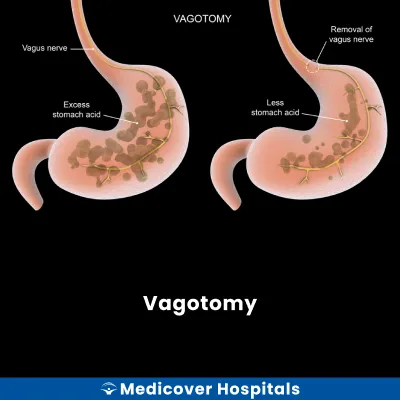
Vagotomy is a surgical procedure involving the vagus nerve, which runs from the brain to the abdomen. This nerve plays a crucial role in controlling stomach acid production. During a vagotomy, specific branches of the vagus nerve are cut to reduce acid secretion. This helps in managing conditions related to excessive stomach acid.
This surgery is often needed for peptic ulcer disease, where ulcers form in the stomach lining due to high acid levels. If left untreated, these ulcers can lead to bleeding, perforation, or obstruction. Modern surgical approaches for vagotomy include laparoscopic techniques, which are minimally invasive and promote quicker recovery. These methods help in effectively managing symptoms and preventing complications.
Vagotomy Doctors Near You
Discover skilled general-surgeons for vagotomy at Medicover Hospitals across India. Choose your city and book a consultation to explore effective treatment options tailored to your needs.
Why Choose Medicover Hospitals for Vagotomy?
Get a second opinion from trusted experts and makeconfident, informed decisions.
 Get Second Opinion
Complete Guide To Vagotomy
Everything you need to know about the procedure, preparation, and recovery
Vagotomy Surgery Indications
Doctors recommend vagotomy when conservative treatments for stomach acid-related issues fail. It is often considered when symptoms persist despite medication and lifestyle changes.
Peptic Ulcer Disease
Patients often experience persistent abdominal pain and discomfort. Endoscopy may reveal ulcers in the stomach or duodenum. Surgery is considered when ulcers do not heal with medication or recur frequently.
Zollinger-Ellison Syndrome
Patients may suffer from severe abdominal pain and chronic diarrhoea. Blood tests often show elevated gastrin levels. Vagotomy is considered when medication fails to control acid production.
Recurrent Ulcer Bleeding
Patients may present with vomiting blood or black stools. Endoscopic findings show active bleeding ulcers. Surgery is recommended when bleeding recurs despite endoscopic treatment.
Gastric Outlet Obstruction
Symptoms include vomiting, weight loss, and abdominal bloating. Imaging may show a blockage in the stomach outlet. Vagotomy is considered when obstruction persists despite medical management.
Intractable Ulcer Pain
Patients experience severe, ongoing stomach pain. Endoscopy may show chronic ulcers. Surgery is an option when pain does not improve with medications.
How to Prepare for Vagotomy?
Proper preparation for vagotomy is crucial to ensure a smooth procedure and recovery. It helps in minimizing risks and enhancing the effectiveness of the surgery.
- Medication Review: Discuss all medications with your doctor. You may need to stop NSAIDs, anticoagulants, and herbal supplements a few days before surgery.
- Fasting Guidelines: Follow the fasting instructions provided by your healthcare team. Typically, you need to fast for at least 8 hours before the procedure.
- Pre-Surgery Tests: Complete any required blood tests, imaging, or other pre-operative assessments as advised by your doctor.
- Clothing: Wear loose, comfortable clothing on the day of the surgery for ease of changing and comfort post-operation.
- Transportation: Arrange for someone to drive you home after the procedure, as you may feel drowsy from anaesthesia.
- Medication List: Bring a list of all medications you are currently taking, including dosages, to the hospital.
- Smoking and Alcohol: Avoid smoking and alcohol consumption for at least 24 hours before the surgery.
- Hydration: Stay well-hydrated in the days leading up to the surgery, unless otherwise instructed.
Vagotomy Surgery (Step-by-Step)
Overview: Vagotomy is performed by general surgeons. The procedure typically lasts 1-2 hours and is done under general anaesthesia.
- Preparation: The patient is given general anaesthesia to ensure they are asleep and pain-free during the surgery.
- Incision: A small incision, usually 1-2 cm, is made in the abdomen. This allows access to the vagus nerve.
- Accessing the Vagus Nerve: A laparoscope is inserted through the incision. This instrument has a camera to guide the surgeon.
- Identifying the Nerve: The surgeon uses a trocar to carefully navigate and identify the vagus nerve near the stomach.
- Severing the Nerve: The vagus nerve is cut using a harmonic scalpel. This reduces acid secretion in the stomach.
- Closing the Incision: The incision is closed with sutures or surgical staples. A dressing is applied to protect the area.
- Recovery: The patient is moved to a recovery room. They are monitored as they wake up from anaesthesia.
Who Performs Vagotomy Surgery?
Vagotomy is performed by general surgeons. They are trained in procedures involving the digestive system. Their expertise ensures the surgery is conducted with precision.
Recovery After Vagotomy Surgery
Recovery from vagotomy surgery involves gradual healing and adjustment to dietary changes. Patients can expect some discomfort and changes in digestion. It's important to follow medical advice for a smooth recovery.
Day 1-3:
- Hospital stay for monitoring. Pain management and IV fluids provided.
- Begin with sips of water and clear liquids.
- Rest is crucial. Avoid any physical exertion.
Day 4-7:
- Transition to a soft diet. Include foods like curd, dal-rice, and moong dal.
- Continue to avoid spicy and oily foods.
- Short walks around the house are encouraged to improve circulation.
Week 2-4:
- Gradually introduce more solid foods. Khichdi and soups are good options.
- Monitor for any digestive changes or discomfort.
- Resume light activities. Avoid lifting heavy objects.
- Most patients can return to work or school by the end of this phase, depending on recovery progress.
Phase 2 (Month 2-3):
- Continue with a balanced diet. Slowly reintroduce regular foods.
- Engage in regular activities but avoid strenuous exercise.
- Regular follow-up appointments to monitor recovery.
When to Seek Urgent Help
- Severe abdominal pain or bloating.
- Persistent vomiting or inability to eat.
- Signs of infection like fever or redness at the incision site.
- Unusual changes in bowel habits.
Benefits of Vagotomy Surgery
Vagotomy is a surgical procedure aimed at reducing acid secretion in the stomach, often used to treat ulcers.
- Ulcer Relief: Helps in reducing the recurrence of peptic ulcers by decreasing stomach acid production.
- Pain Reduction: Alleviates abdominal pain associated with ulcers.
- Improved Digestion: May enhance digestive comfort by reducing acid-related discomfort.
- Reduced Medication Dependency: Decreases the need for long-term use of ulcer medications.
Risks and Complications of Vagotomy Surgery
While vagotomy can be beneficial, it carries certain risks and potential complications. Being informed helps in making a balanced decision.
Common Risks
- Diarrhoea: Some patients may experience changes in bowel habits post-surgery.
- Dumping Syndrome: Rapid gastric emptying can lead to nausea and abdominal discomfort.
Rare Risks
- Infection: As with any surgery, there is a risk of infection at the incision site.
- Nutritional Deficiencies: Altered digestion may affect nutrient absorption.
- Gastric Stasis: Delayed stomach emptying can occur, leading to bloating and discomfort.
Cost of Vagotomy Surgery
The cost of vagotomy surgery at Medicover Hospitals ranges from ₹68,250 to ₹210,000. The price varies depending on the ward category chosen, such as day care, general, private, or suite options. We offer transparent pricing to ensure clarity for our patients.
Insurance and TPA support, including CGHS, ESI, and major TPAs, are accepted, and a cashless facility is available for your convenience. Please contact the hospital for the latest insurance panel details as these may change periodically.
Frequently Asked Questions
1. How much does Vagotomy surgery cost?
Vagotomy surgery at Medicover Hospitals costs between ₹68,250 to ₹210,000, depending on the type and room category.
2. Is Vagotomy surgery covered under insurance?
Vagotomy surgery is often covered by CGHS, ESI, and major TPAs. Please contact the hospital for current panel details.
3. Will my digestion change after Vagotomy?
Yes, digestion may change as the vagus nerve affects stomach acid production. You may need to adjust your diet to manage symptoms.
4. Can I eat spicy food after Vagotomy?
Initially, avoid spicy foods to prevent irritation. Gradually reintroduce mild Indian dishes like dal-rice and khichdi after consulting your doctor.
5. Will I need medication post-Vagotomy?
You may need medications to manage stomach acid and prevent ulcers. Your doctor will provide a specific plan based on your condition.
6. How soon can I return to work post-Vagotomy?
Most patients can return to work in 2-4 weeks, depending on recovery. Follow your doctor's advice for a safe return to activities.
7. Is weight loss common after Vagotomy?
Some patients may experience weight loss due to dietary changes. A balanced diet with curd and vegetables can help maintain weight.


