 Call
Call Patient Reports
Vaginal Hysterectomy with Pelvic Floor Repair Surgery by Expert Gynecologists
At Medicover Hospitals, our experienced gynecologists, with qualifications like MS, DNB, and FMAS, perform the vaginal hysterectomy procedure with pelvic floor repair using laparoscopic techniques. This approach often results in smaller incisions and reduced blood loss, contributing to a shorter hospital stay across India.
Expert Surgeons
Yearly Surgeries
Patient Satisfaction
What is Vaginal Hysterectomy With Pelvic Floor Repair?
Vaginal hysterectomy with pelvic floor repair is a surgical procedure. It involves the removal of the uterus (womb) through the vagina. Along with this, the pelvic floor muscles and tissues are repaired. This helps support the pelvic organs. The surgery addresses both the uterus and the pelvic floor, ensuring better structural support.
This surgery is often needed for conditions like uterine prolapse, where the uterus slips into the vaginal canal. Other conditions include pelvic organ prolapse and chronic pelvic pain. If untreated, these conditions can lead to discomfort, urinary issues, and other complications. Modern surgical approaches include minimally invasive techniques. These techniques aim to reduce recovery time and improve outcomes.
Vaginal Hysterectomy With Pelvic Floor Repair Doctors Near You
Find expert gynecologists for vaginal hysterectomy with pelvic floor repair at Medicover Hospitals across India. Choose your city and book a consultation to discuss your treatment options today.
Why Choose Medicover Hospitals for Vaginal Hysterectomy With PFR Surgery?
Get a second opinion from trusted experts and makeconfident, informed decisions.
 Get Second Opinion
Complete Guide To Vaginal Hysterectomy With Pelvic Floor Repair
Everything you need to know about the procedure, preparation, and recovery
Vaginal Hysterectomy with Pelvic Floor Repair Surgery Indications
This combined procedure is recommended when uterine conditions and pelvic floor weakness significantly affect daily life and do not respond to conservative treatments. At Medicover Hospitals, evaluation is done by an experienced gynecologist.
Uterine Prolapse
Patients may experience a feeling of heaviness in the pelvis, urinary incontinence, or difficulty with bowel movements. Examination may reveal the uterus descending into the vaginal canal. When lifestyle changes and pessary use do not provide relief, surgery is considered.
Chronic Pelvic Pain
Persistent pelvic pain can interfere with daily activities. It may be linked to uterine conditions like fibroids or endometriosis. Imaging tests may show abnormalities. If pain management and hormonal therapies fail, surgery might be recommended.
Heavy Menstrual Bleeding
Excessive bleeding can lead to anaemia and fatigue. It may be due to fibroids or adenomyosis. Ultrasound or MRI can confirm these findings. When medications and other interventions are ineffective, a hysterectomy may be advised.
Pelvic Organ Prolapse
Symptoms include a bulge in the vaginal area, pelvic pressure, and urinary issues. Physical examination and imaging confirm the prolapse. Surgery is considered when pelvic floor exercises and pessaries are insufficient.
Recurrent Urinary Tract Infections
Frequent infections can result from pelvic floor dysfunction. Symptoms include burning during urination and frequent urges. Tests may show bladder prolapse. When antibiotics and lifestyle changes don't help, surgical repair may be needed.
How to Prepare for Vaginal hysterectomy with pelvic floor repair?
Preparation is crucial for a smooth surgery and recovery. It helps minimise risks and ensures the best possible outcome.
- Medication Review: Stop NSAIDs, anticoagulants, and herbal supplements as advised by your doctor.
- Fasting: Do not eat or drink anything for at least 8 hours before the surgery.
- Bowel Preparation: Follow any bowel prep instructions provided by your healthcare provider.
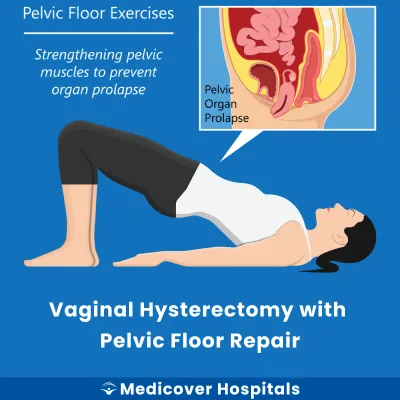
- Pelvic Floor Exercises: Practice pelvic floor exercises if recommended by your doctor.
- Comfortable Clothing: Wear loose clothing on the day of the surgery for comfort.
- Transportation: Arrange for someone to drive you home post-surgery.
- Medication List: Bring a list of your current medications with dosages to the hospital.
- Pre-Surgery Consultation: Attend all pre-surgery appointments for assessments and instructions.
Vaginal Hysterectomy with Pelvic Floor Repair - Procedure Steps
This procedure is performed by gynecologists. It typically takes 2-3 hours and is done under general or regional anaesthesia.
- Preparation: The patient is positioned comfortably. Anaesthesia is administered to ensure no pain during the surgery.
- Incision: A small incision is made in the vaginal wall. This allows access to the uterus and pelvic floor.
- Uterus Removal: Using surgical instruments like a curette and bipolar cautery, the uterus is carefully detached and removed through the vaginal opening.
- Pelvic Floor Repair: The pelvic floor muscles and tissues are repaired. This may involve suturing to provide better support to the pelvic organs.
- Closure: The incision in the vaginal wall is closed with sutures. This helps in healing and prevents infection.
- Recovery: The patient is moved to a recovery area. Vital signs are monitored as the anaesthesia wears off.
- Post-Operative Care: Pain management and instructions for home care are provided. The patient is advised on activity restrictions and follow-up visits.
Who Performs Vaginal hysterectomy with pelvic floor repair Surgery?
This surgery is performed by experienced gynecologists. They specialise in female reproductive health and are trained to handle complex procedures involving the uterus and pelvic floor.
Recovery After Vaginal Hysterectomy with Pelvic Floor Repair Surgery
Recovery from a vaginal hysterectomy with pelvic floor repair involves rest and gradual return to daily activities. It's important to follow your doctor's advice to ensure a smooth recovery.
Day 1-3:
- Rest is crucial. Avoid strenuous activities.
- Focus on a light diet. Include soft foods like curd, dal-rice, and soups.
- Stay hydrated and avoid constipation. Drink plenty of fluids.
Day 4-7:
- Slowly increase light activities like walking around the house.
- Continue with a balanced diet. Opt for easy-to-digest foods like khichdi and moong dal.
- Avoid lifting heavy objects or bending.
Week 2-4:
- Gradually resume normal activities, but avoid heavy lifting and strenuous exercise.
- Return to work or school may be possible if your job is not physically demanding.
- Continue to eat a nutritious diet to aid healing.
Week 4-6:
- Most daily activities can be resumed, but listen to your body and rest as needed.
- Consult your doctor before engaging in any vigorous exercise or sexual activity.
When to Seek Urgent Help:
- Fever or chills.
- Severe abdominal pain or swelling.
- Heavy vaginal bleeding or foul-smelling discharge.
- Difficulty urinating or severe constipation.
Risks & Benefits of Vaginal Hysterectomy with Pelvic Floor Repair
This procedure helps treat uterine conditions while improving pelvic support and overall quality of life. At our Gynecology department, experienced specialists perform advanced surgical procedures focused on patient safety, faster recovery, and long-term pelvic health support.
Benefits of the Procedure
- Symptom Relief: Reduces pelvic pain, pressure, and heavy menstrual bleeding
- Better Pelvic Support: Strengthens pelvic muscles and reduces prolapse symptoms
- No External Scars: Performed through the vaginal route, avoiding visible incisions
- Faster Recovery: Shorter hospital stay and quicker return to routine activities
- Improved Quality of Life: Enhances bladder, bowel, and overall comfort
Risks & Possible Complications
- Common: Infection (surgical site or urinary tract)
- Common: Bleeding during or after surgery
- Rare: Injury to nearby organs like bladder or bowel
- Rare: Blood clots in legs or lungs
- Rare: Complications related to anesthesia
- Rare: Recurrence of pelvic organ prolapse over time
Cost of Vaginal hysterectomy with pelvic floor repair Surgery
The cost of vaginal hysterectomy with pelvic floor repair surgery at Medicover Hospitals ranges from Rs. 131,000 to Rs. 218,000. The price varies based on the ward category chosen. We offer transparent pricing and support for insurance and TPA, including CGHS, ESI, and major TPAs
A cashless facility is also available for your convenience. Please contact the hospital for the latest insurance panel details as these may change periodically.
Frequently Asked Questions
1. How long does a vaginal hysterectomy take?
A vaginal hysterectomy typically takes about 1 to 2 hours to complete, depending on the complexity of the case and the patient's condition. It is usually performed under general or regional anesthesia and may require a short hospital stay.
2. Is Vaginal hysterectomy with pelvic floor repair surgery covered under health insurance at Medicover?
Yes, it is often covered under CGHS, ESI, and major TPAs. Please contact the hospital for current panel details.
3. Will I experience urinary incontinence after this surgery?
Urinary incontinence can occur, but it is often temporary. Discuss concerns with your doctor for tailored advice and management.
4. How soon can I resume normal activities post-surgery?
Most patients can resume light activities in about 4 to 6 weeks. Avoid heavy lifting and strenuous exercise during recovery.
5. Will I need hormone replacement therapy after surgery?
Hormone therapy is not typically needed unless ovaries are removed. Consult your doctor for personalised advice based on your condition.
6. Can I eat spicy food after the surgery?
It's best to avoid spicy foods initially. Start with soft foods like dal-rice and khichdi, and gradually reintroduce spices as tolerated.
7. Is there a risk of vaginal prolapse after surgery?
Vaginal prolapse is a potential risk but is rare. Pelvic floor exercises can help strengthen muscles and reduce this risk.
8. What to expect after a vaginal hysterectomy?
After a vaginal hysterectomy, it is normal to experience mild to moderate pain, vaginal bleeding or discharge, and fatigue for a few days to weeks. Most patients can walk within a day and gradually return to normal activities. Full recovery usually takes about 4 to 6 weeks. During this time, patients are advised to avoid heavy lifting, strenuous activity, and sexual intercourse. Emotional changes and temporary hormonal symptoms may also occur, especially if the ovaries are removed.
9. How much does Vaginal hysterectomy with pelvic floor repair surgery cost at Medicover Hospitals?
The cost ranges from Rs. 131000 to Rs. 218000 across Medicover Hospitals. Prices vary based on room type and care level.


