 Call
Call Patient Reports
Best Hospital for Ureteroscopy Surgery with Advanced Urology Care
Ureteroscopy at Medicover Hospitals is performed using advanced endoscopic techniques by skilled urologists with qualifications such as MS, DNB, and MCh. This minimally invasive procedure ensures smaller incisions and reduced blood loss, leading to shorter hospital stays for patients across India.
Expert Surgeons
Yearly Surgeries
Patient Satisfaction
What is Ureteroscopy?
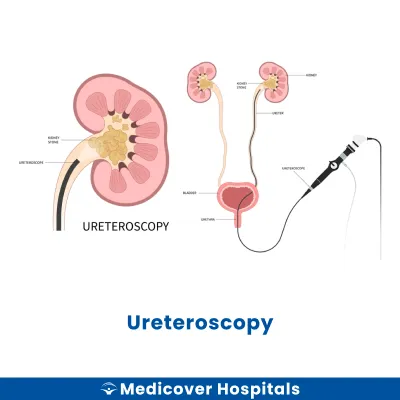
Ureteroscopy is a medical procedure used to examine the ureters. The ureters are the tubes that carry urine from the kidneys to the bladder. During the procedure, a thin, flexible tube called a ureteroscope is inserted through the urethra into the bladder and then into the ureter. This allows doctors to view the inside of the ureters and diagnose or treat any issues.
Ureteroscopy is often needed to address kidney stones, strictures (narrowing), or tumours in the ureters. If these conditions are left untreated, they can lead to severe pain, infections, or kidney damage. Modern surgical approaches for ureteroscopy include laser lithotripsy, which breaks down stones, and basket extraction, which removes them. These methods are minimally invasive and promote quicker recovery.
Ureteroscopy Surgery Doctors Near You
Discover skilled urologists at Medicover Hospitals across India. Choose your city to find specialists and book a consultation for ureteroscopy. Start your journey to better health today.
Why Choose Medicover Hospitals for Ureteroscopy?
Get a second opinion from trusted experts and makeconfident, informed decisions.
 Get Second Opinion
Complete Guide To Ureteroscopy
Everything you need to know about the procedure, preparation, and recovery
Ureteroscopy Surgery Indications
Doctors recommend ureteroscopy when non-invasive treatments fail to address urinary tract issues. It is a preferred choice for diagnosing and treating problems within the ureters and kidneys.
Kidney Stones
Patients often experience severe flank pain, nausea, or blood in urine. Imaging tests like CT scans reveal stones in the ureter. When medications and hydration do not help, ureteroscopy is considered.
Ureteral Strictures
Symptoms include difficulty urinating and recurrent urinary tract infections. Doctors find narrowing in the ureter through imaging. Surgery is advised when dilation or stenting does not relieve symptoms.
Tumours in the Ureter
Patients may notice blood in urine or experience pain. Imaging and biopsy confirm abnormal growths. Ureteroscopy is used when non-surgical methods are insufficient for diagnosis or removal.
Unexplained Hematuria
Persistent blood in urine without a clear cause can be concerning. Initial tests might not reveal the source. Ureteroscopy helps in visualising the ureter and identifying the problem.
Foreign Bodies
Symptoms include pain and urinary obstruction. X-rays or ultrasounds show foreign objects in the urinary tract. When retrieval through non-surgical means fails, ureteroscopy is performed.
Please contact the hospital for current details as insurance panels may change.
How to Prepare for Ureteroscopy?
Proper preparation is crucial for a successful ureteroscopy. It helps minimise risks and ensures a smoother procedure and recovery.
- Medication Review: Stop NSAIDs, anticoagulants, and herbal supplements a few days before. Consult your doctor for guidance.
- Fasting: Do not eat or drink anything for at least 6-8 hours before the procedure, as anaesthesia is typically used.
- Hydration: Drink plenty of water the day before to stay hydrated, unless advised otherwise by your doctor.
- Clothing: Wear loose, comfortable clothing on the day of the procedure for ease and comfort.
- Transportation: Arrange for someone to drive you home post-procedure, as you may feel drowsy from anaesthesia.
- Medication List: Bring a list of your current medications with dosages to share with the medical team.
- Pre-Procedure Tests: Complete any required blood tests or imaging studies as instructed by your healthcare provider.
- Personal Items: Leave valuables at home and bring only essentials to the hospital.
Ureteroscopy Surgery (Step-by-Step)
Ureteroscopy is performed by urologists. It typically lasts between 30 minutes to 2 hours. General or regional anaesthesia is commonly used.
- Preparation: The patient is positioned comfortably. Anaesthesia is administered to ensure no pain during the procedure.
- Insertion of Ureteroscope: A thin, flexible ureteroscope is gently inserted through the urethra into the bladder and then into the ureter. The patient remains unaware due to anaesthesia.
- Visualisation: The urologist uses the ureteroscope to view the urinary tract. A camera attached to the ureteroscope provides clear images on a monitor.
- Stone Removal or Treatment: If stones are present, instruments like a laser fibre or stone basket are used to break or remove them. The patient feels no discomfort during this stage.
- Inspection and Rinsing: The area is inspected for any remaining stones or abnormalities. Saline solution may be used to rinse the urinary tract.
- Stent Placement (if needed): A small stent may be placed to ensure urine flow. This is temporary and removed later.
- Completion: The ureteroscope is carefully withdrawn. The patient is moved to recovery to wake up from anaesthesia.
Who Performs Ureteroscopy Surgery?
Ureteroscopy is performed by urologists. These specialists are trained in diagnosing and treating conditions of the urinary tract. They use specialised instruments to ensure precise treatment.
Recovery After Ureteroscopy Surgery
Recovering from ureteroscopy surgery is generally quick, but it's important to follow your doctor's instructions to ensure a smooth recovery. You may experience some discomfort, but this usually subsides in a few days.
Day 1-3:
- Rest is crucial. Avoid strenuous activities.
- Drink plenty of fluids to help flush out the urinary system.
- Expect some blood in the urine, which should decrease over time.
- Stick to a light diet. Include easily digestible foods like curd, dal-rice, and moong dal.
Day 4-7:
- Gradually resume light activities as tolerated.
- Continue with a balanced diet. Add khichdi and soups for nutrition.
- Monitor for any unusual symptoms like fever or severe pain.
Day 8-14:
- Most patients can return to work or school, depending on recovery.
- Engage in normal activities but avoid heavy lifting or intense exercise.
- Maintain hydration and a healthy diet to support healing.
When to Seek Urgent Help:
- Severe pain not relieved by medication.
- High fever or chills.
- Persistent or heavy bleeding in urine.
- Difficulty urinating or inability to urinate.
If you experience any of these symptoms, contact your healthcare provider immediately.
Benefits of Ureteroscopy Surgery
Ureteroscopy is a minimally invasive procedure used to diagnose and treat issues in the urinary tract, such as kidney stones.
- Minimally Invasive: It involves no incisions, reducing recovery time.
- Effective Stone Removal: It allows direct access to stones for removal or fragmentation.
- Diagnostic Accuracy: Provides a clear view of the urinary tract for accurate diagnosis.
- Quick Recovery: Patients often resume normal activities shortly after the procedure.
Risks and Complications of Ureteroscopy Surgery
While ureteroscopy is generally safe, like any medical procedure, it carries certain risks and potential complications.
- Mild bleeding during or after the procedure.
- Temporary discomfort or pain in the urinary tract.
- Infection requiring antibiotic treatment.
- Injury to the ureter, potentially needing further intervention.
- Stricture formation in the ureter over time.
What is the Cost of Ureteroscopy Surgery?
The cost of Ureteroscopy Surgery at Medicover Hospitals ranges from Rs. 35,000 to Rs. 1,50,000. The price varies based on the type of ward chosen, such as day care, general, or private rooms. We offer transparent pricing to ensure clarity for our patients.
Insurance and TPA support, including CGHS, ESI, and major TPAs, are accepted, and a cashless facility is available for your convenience. Please contact the hospital for the latest insurance panel details as these may change periodically.
Frequently Asked Questions
1. How much does Ureteroscopy surgery cost?
Ureteroscopy surgery at Medicover Hospitals costs between Rs. 35,000 and Rs. 1,50,000 depending on the room type and location.
2. Is Ureteroscopy surgery covered under insurance?
Ureteroscopy surgery is often covered by CGHS, ESI, and major TPAs with cashless options. Please contact the hospital for current panel details.
3. Will I need a stent after Ureteroscopy?
A stent may be required to ensure proper urine flow post-surgery. Your doctor will advise based on your specific condition.
4. Can I drink tea after Ureteroscopy?
It's best to avoid tea and caffeinated drinks for a few days. Focus on hydrating with water and light soups instead.
5. Will I experience pain while urinating?
Mild discomfort during urination is common after Ureteroscopy. This usually subsides within a few days as healing progresses.
6. Can I eat spicy food after Ureteroscopy?
Avoid spicy food for at least a week post-surgery. Opt for bland meals like dal-rice or khichdi to aid recovery.
7. How soon can I return to work?
Most patients can return to work within a week. However, this depends on your recovery and doctor's advice.


