 Call
Call Patient Reports
Advanced Upper Limb Vascular Repair with Vein Grafting Surgery Hospital
Upper Limb Vascular Repair with Vein Grafting at Medicover Hospitals is performed using open surgical techniques. Our team of surgeons, with qualifications like MS, MCh, and DNB, ensure precise treatment. This approach often results in reduced blood loss and quicker recovery for patients.
Expert Surgeons
Yearly Surgeries
Patient Satisfaction
What is Upper Limb Vascular Repair With Vein Grafting?
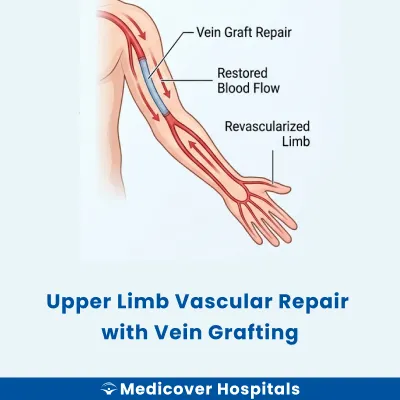
Upper Limb Vascular Repair with Vein Grafting is a surgical procedure to restore blood flow in the arm. It involves repairing damaged blood vessels (arteries or veins) using a vein graft. A vein graft is a healthy vein taken from another part of the body to replace or bypass the damaged section. This procedure is crucial for maintaining proper circulation in the upper limb.
This surgery is needed when blood vessels in the arm are blocked or damaged. Conditions like trauma, aneurysms, or severe atherosclerosis can lead to this. If untreated, it may result in tissue damage or loss of limb function. Modern surgical approaches include end-to-end anastomosis and bypass grafting. These techniques help restore normal blood flow effectively.
Upper Limb Vascular Repair With Vein Grafting Doctors Near You
Discover experienced CTVS specialists for upper limb vascular repair with vein grafting at Medicover Hospitals across India. Choose your city and book a consultation to explore your treatment options.
Why Choose Medicover Hospitals for Upper Limb Vascular Repair With Vein Grafting?
Get a second opinion from trusted experts and makeconfident, informed decisions.
 Get Second Opinion
Complete Guide To Upper Limb Vascular Repair With Vein Grafting
Everything you need to know about the procedure, preparation, and recovery
Upper Limb Vascular Repair with Vein Grafting Surgery Indications
Doctors recommend Upper Limb Vascular Repair with Vein Grafting when blood flow to the arm is compromised. This procedure is often necessary when conservative treatments do not restore adequate circulation.
Severe Arterial Injury
Patients may experience severe pain, swelling, and visible bleeding in the arm. Doctors find disrupted blood flow on imaging tests. When bleeding is uncontrollable or circulation is severely impaired, surgery is needed.
Chronic Ischemia
Symptoms include persistent pain, numbness, or weakness in the arm. Diagnostic tests show reduced blood flow over time. When medication and lifestyle changes fail, surgical intervention is considered.
Aneurysm in Arm Arteries
Patients might notice a pulsating lump or experience pain in the arm. Imaging reveals an abnormal bulging of the artery. If the aneurysm risks rupture or causes symptoms, surgery is advised.
Vascular Trauma
Signs include sudden pain, swelling, and loss of function in the arm. Examination and imaging confirm damage to blood vessels. When immediate restoration of blood flow is critical, surgery is performed.
Failed Previous Vascular Surgery
Patients may report recurring symptoms like pain or numbness. Tests show inadequate blood flow despite prior surgery. When non-surgical options are exhausted, vein grafting is considered.
How to Prepare for Upper Limb Vascular Repair with Vein Grafting?
Proper preparation is crucial for a successful upper limb vascular repair with vein grafting. It helps minimise risks and ensures a smooth recovery process.
- Medication Review: Stop NSAIDs, anticoagulants, and herbal supplements 7 days before surgery.
- Fasting Guidelines: Fast for 8 hours before the procedure if general anaesthesia is used.
- Pre-Surgery Hygiene: Bathe with antiseptic soap the night before and the morning of the surgery.
- Comfortable Clothing: Wear loose, comfortable clothing on the day of the surgery for easy dressing post-operation.
- Transportation Arrangements: Arrange for someone to drive you home after the procedure, as you may feel drowsy.
- Medication List: Bring a list of all medications you take, including dosages, to the hospital.
- Smoking and Alcohol: Avoid smoking and alcohol at least 24 hours before the surgery to aid recovery.
- Pre-Op Consultation: Attend all pre-surgery consultations to discuss any concerns with your healthcare provider.
Upper Limb Vascular Repair with Vein Grafting surgery (Step-by-Step)
Performed by CTVS (Cardiothoracic and Vascular Surgery) specialists, this procedure typically lasts 3-5 hours. It is usually done under general anaesthesia.
- Preparation: The patient is positioned and given general anaesthesia. The surgical area is cleaned and sterilised.
- Incision: A 1-2 cm incision is made near the affected blood vessel. This provides access to the damaged area.
- Exposure and Assessment: Surgical instruments like retractors are used to expose the blood vessels. The surgeon assesses the extent of the damage.
- Vein Harvesting: A suitable vein, often from the leg, is identified and harvested using a scalpel and vein strippers. This vein will be used for grafting.
- Vascular Repair: The damaged vessel is repaired using the harvested vein. Sutures and a bipolar cautery may be used to secure the graft and control bleeding.
- Closure: The incisions are closed with sutures or staples. A sterile dressing is applied to protect the site.
- Recovery: The patient is moved to a recovery area. Vital signs are monitored as they awaken from anaesthesia.
Who Performs Upper Limb Vascular Repair with Vein Grafting surgery?
This surgery is performed by cardiothoracic and vascular surgeons. These specialists are trained in managing complex vascular conditions and performing intricate repairs. They use their expertise to restore blood flow and function to the affected limb.
Recovery After Upper Limb Vascular Repair with Vein Grafting surgery
Recovery from Upper Limb Vascular Repair with Vein Grafting involves careful monitoring and gradual return to normal activities. It's important to follow your doctor's advice for a smooth recovery.
Day 1-3:
- Rest is crucial. Keep the limb elevated to reduce swelling.
- Pain and discomfort are common. Take prescribed medications.
- Consume light meals like dal-rice, khichdi, and soups to aid digestion.
Day 4-7:
- Continue to rest but start gentle movements as advised by your doctor.
- Maintain a balanced diet. Include curd and moong dal for protein and probiotics.
- Avoid lifting heavy objects or strenuous activities.
Day 8-14:
- Gradually increase activity levels. Follow physiotherapy exercises if recommended.
- Monitor the surgical site for any signs of infection.
- Return to work or school may be possible, depending on your job and recovery progress.
Phase 3 (Week 3-6):
- Resume most daily activities but avoid heavy lifting and intense physical tasks.
- Continue with a nutritious diet to support healing.
- Regular follow-up appointments are essential to monitor recovery.
When to Seek Urgent Help
- Severe pain not relieved by medication.
- Excessive swelling or redness around the surgical site.
- Fever or chills indicating possible infection.
- Numbness or loss of function in the limb.
Benefits of Upper Limb Vascular Repair with Vein Grafting surgery
This procedure is designed to restore blood flow to the upper limb using a vein graft. It can significantly improve limb function and quality of life.
- Restored Blood Flow: Enhances circulation to the affected limb, promoting healing and function.
- Improved Limb Function: Helps regain strength and mobility in the upper limb.
- Pain Reduction: Alleviates pain caused by inadequate blood supply.
- Prevention of Tissue Damage: Reduces the risk of tissue death due to improved blood supply.
Risks and Complications of Upper Limb Vascular Repair with Vein Grafting surgery
While this surgery offers many benefits, it also carries potential risks. Patients should be aware of these before proceeding.
- Common: Infection at the surgical site, which may require treatment.
- Common: Bleeding during or after the procedure.
- Rare: Blood clots forming in the graft, potentially leading to graft failure.
- Rare: Nerve damage, which might affect sensation or movement.
- Rare: Allergic reactions to anaesthesia or other medications used.
Cost of Upper Limb Vascular Repair with Vein Grafting surgery
The cost of Upper Limb Vascular Repair with Vein Grafting surgery can vary Rs.50000 to Rs.200000 based on factors such as the surgical approach, duration of hospital stay, room category, required diagnostics, and post-operative care. At Medicover Hospitals, we ensure transparent pricing to help you plan your treatment effectively.
We offer insurance and TPA support, accepting CGHS, ESI, and major TPAs, along with a cashless facility for a hassle-free experience. Please contact the hospital for the latest insurance panel details as these may change periodically.
Frequently Asked Questions
1. How much does Upper Limb Vascular Repair with Vein Grafting surgery cost at Medicover Hospitals?
The cost of Upper Limb Vascular Repair with Vein Grafting surgery varies Rs.50000 to Rs.
2. Please contact Medicover Hospitals for detailed pricing information. 2. Is Upper Limb Vascular Repair with Vein Grafting surgery covered under health insurance at Medicover?
This surgery may be covered by CGHS, ESI, and major TPAs. Please contact the hospital for current panel details.
3. Will I regain full arm function post-surgery?
Most patients regain significant arm function after recovery. Physiotherapy plays a vital role in restoring movement and strength.
4. What complications can occur with vein grafting?
Complications may include graft occlusion or infection. Regular follow-ups help in early detection and management of such issues.
5. Can I lift weights after vein grafting in my arm?
Avoid lifting heavy weights for at least six weeks post-surgery. Gradual reintroduction under guidance is recommended to prevent strain.
6. Will I need physiotherapy after this surgery?
Yes, physiotherapy is crucial for regaining mobility and strength. It aids in a smoother and faster recovery process.
7. What diet should I follow post-surgery?
Consume a balanced diet with soft foods like curd, dal-rice, and khichdi. Adequate hydration and nutrition support healing and recovery.
8. Which vein is most commonly used for vein graft surgery?
The Great saphenous vein is most commonly used for vein grafts. It is preferred because it is long, easily accessible, and suitable for bypass procedures.
9. What are the 4 types of grafting?
The four main types are autograft (from the same person), allograft (from another human), xenograft (from an animal), and synthetic graft (man-made material). Each type is chosen based on the condition and availability.
10. How long does a vein graft last?
A vein graft can last 10–15 years or longer, depending on patient health and care. Lifestyle factors and medications play an important role in its longevity.


