 Call
Call Patient Reports
Unilateral Orchiectomy Surgery by Expert General Surgeons
Unilateral Orchiectomy at Medicover Hospitals is performed using the open surgical approach by skilled urologists with qualifications like MS and DNB. This procedure involves the removal of one testicle. Patients often experience shorter hospital stays due to the efficient surgical techniques employed.
Expert Surgeons
Yearly Surgeries
Patient Satisfaction
What is Unilateral Orchiectomy?
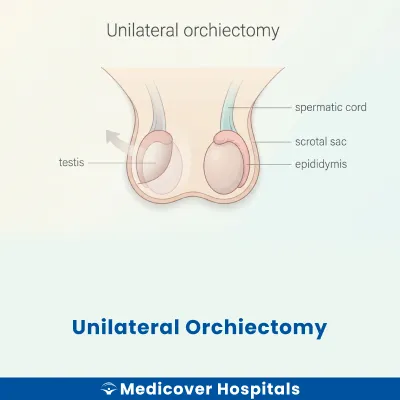
Unilateral Orchiectomy is a surgical procedure involving the removal of one testicle (testis). The testicle is a part of the male reproductive system responsible for producing sperm and testosterone. This procedure is typically performed to address various medical conditions affecting one testicle.
This surgery is often needed for conditions like testicular cancer, severe trauma, or infection. It may also be performed for undescended testicles in adults. If left untreated, these conditions can lead to complications such as infertility or the spread of cancer cells. Modern surgical approaches for Unilateral Orchiectomy include laparoscopic surgery and open surgery. These methods aim to minimize recovery time and reduce complications.
Unilateral Orchiectomy Doctors Near You
Find experienced urologists for unilateral orchiectomy at Medicover Hospitals across India. Choose your city to book a consultation and take the first step towards your health journey.
Why Choose Medicover Hospitals for Unilateral Orchiectomy?
Get a second opinion from trusted experts and makeconfident, informed decisions.
 Get Second Opinion
Complete Guide To Unilateral Orchiectomy
Everything you need to know about the procedure, preparation, and recovery
Unilateral Orchiectomy Surgery Indications
Doctors may recommend unilateral orchiectomy when a patient has conditions affecting one testicle that cannot be managed with conservative treatments. This procedure involves the surgical removal of one testicle.
Testicular Cancer
Patients may experience a lump or swelling in the testicle, sometimes accompanied by pain. Imaging and biopsy test may reveal cancerous cells. Surgery is advised when cancer is confirmed, especially if it is localized to one testicle.
Testicular Torsion
Sudden, severe pain in the scrotum, often with swelling, may indicate torsion. Ultrasound shows reduced blood flow. If manual detorsion fails or the testicle is non-viable, surgery is necessary to remove the affected testicle.
Severe Trauma
Injury to the testicle can cause intense pain and swelling. Imaging may show rupture or severe damage. When repair is not possible, removal of the damaged testicle is recommended.
Infection or Abscess
Persistent pain, swelling, and fever may suggest an infection or abscess. If antibiotics and drainage do not resolve the issue, surgical removal of the affected testicle may be required.
Undescended Testicle
In some cases, an undescended testicle may cause discomfort or be at risk of cancer. If it cannot be repositioned or is non-functional, removal may be advised.
How to Prepare for Unilateral Orchiectomy?
Proper preparation is crucial for a smooth unilateral orchiectomy. It helps minimise risks and ensures a quicker recovery.
- Medication Review: Stop NSAIDs, anticoagulants, and herbal supplements 7-10 days prior.
- Fasting: Do not eat or drink anything for at least 8 hours before the surgery.
- Pre-Surgery Tests: Complete any required blood tests or imaging as advised by your doctor.
- Clothing: Wear loose, comfortable clothing on the day of the surgery.
- Transportation: Arrange for someone to drive you home post-surgery.
- Medication List: Bring a list of all medications with dosages to the hospital.
- Smoking and Alcohol: Avoid smoking and alcohol for at least 24 hours before surgery.
- Hygiene: Take a shower and clean the surgical area as instructed by your healthcare provider.
Unilateral Orchiectomy Surgery (Step-by-Step)
Overview: This procedure is performed by urologists. It typically lasts 1-2 hours. General anaesthesia is commonly used to ensure the patient is asleep and pain-free.
- Preparation: The patient is positioned on the operating table. An intravenous line is set up for fluids and medications.
- Incision: A small incision, about 3-4 cm, is made in the groin area. This provides access to the testicle.
- Isolation: The spermatic cord is carefully isolated using surgical instruments like forceps and a scalpel.
- Removal: The testicle is removed through the incision. A harmonic scalpel may be used to minimize bleeding.
- Closure: The incision is closed with sutures. A sterile dressing is applied to protect the area.
- Recovery: The patient is moved to a recovery room. Vital signs are monitored as they wake up from anaesthesia.
Who Performs Unilateral Orchiectomy Surgery?
Unilateral orchiectomy is performed by urology specialists. These specialists are trained in surgeries related to the urinary tract and male reproductive organs. They ensure the procedure is conducted safely and effectively.
Recovery After Unilateral Orchiectomy Surgery
Recovery after unilateral orchiectomy surgery involves gradual healing and adjustment. It's important to follow your doctor's advice and take necessary precautions to ensure a smooth recovery.
Day 1-3:
- Rest is crucial. Avoid strenuous activities.
- Manage pain with prescribed medications.
- Keep the surgical area clean and dry.
Day 4-7:
- Start gentle walks to improve circulation.
- Introduce light, nutritious meals like curd, dal-rice, and khichdi.
- Continue to avoid heavy lifting and vigorous activities.
Day 8-14:
- Gradually resume normal activities, but avoid intense physical exertion.
- Include protein-rich foods like moong dal and soups in your diet.
- You may return to work or school if your job is not physically demanding.
Phase 3 (Week 3-4):
- Most daily activities can be resumed.
- Continue to eat balanced meals to support healing.
- Consult your doctor before resuming exercise or sports.
When to Seek Urgent Help
If you experience any of the following symptoms, contact your healthcare provider immediately:
- Severe pain or swelling at the surgical site
- Fever or chills
- Redness or discharge from the incision
- Difficulty urinating
Always follow your doctor's instructions and attend follow-up appointments to ensure a smooth recovery. Please contact the hospital for current details as insurance panels may change.
Benefits of Unilateral Orchiectomy Surgery
Unilateral orchiectomy is a surgical procedure that involves the removal of one testicle. It can offer several benefits for patients with specific medical conditions.
- Reduced Cancer Risk: Helps in reducing the risk of testicular cancer spreading if detected early.
- Hormonal Balance: Can aid in managing hormone-related conditions by reducing testosterone production.
- Pain Relief: Alleviates pain caused by testicular torsion or injury.
- Improved Quality of Life: Offers relief from symptoms associated with testicular disorders.
Risks and Complications of Unilateral Orchiectomy Surgery
While unilateral orchiectomy is generally safe, like any surgery, it carries certain risks and potential complications.
Common Risks
- Pain and swelling at the surgical site.
- Infection risk at the incision area.
Rare Risks
- Bleeding or hematoma formation.
- Reaction to anaesthesia.
- Changes in hormone levels affecting mood or energy.
- Infertility if the remaining testicle is not functional.
Cost of Unilateral Orchiectomy Surgery
The cost of Unilateral Orchiectomy Surgery at Medicover Hospitals ranges from ₹25,000 to ₹1,50,000. The price varies depending on the ward category chosen, such as general, twin sharing, or private rooms. We offer transparent pricing to ensure clarity for our patients.
Insurance and TPA support is available, with acceptance of CGHS, ESI, and major TPAs. A cashless facility is also available for ease of payment. Please contact the hospital for the latest insurance panel details as these may change periodically.
Frequently Asked Questions
1. How much does Unilateral Orchiectomy cost?
The cost of Unilateral Orchiectomy surgery at Medicover Hospitals ranges from ₹25,000 to ₹1,50,000, depending on the facilities chosen.
2. Is Unilateral Orchiectomy covered under insurance?
Unilateral Orchiectomy surgery is often covered by CGHS, ESI, and major TPAs, with cashless options available. Please contact the hospital for current panel details.
3. Will I experience hormonal changes post-surgery?
Yes, removing one testicle can affect hormone levels. Regular follow-ups are essential to monitor and manage any hormonal imbalances.
4. Can I father children after Unilateral Orchiectomy?
Yes, fertility is often maintained with one testicle. Discuss concerns with your doctor to understand any specific impacts on fertility.
5. What are the risks of infection after surgery?
Infection is a potential risk after Unilateral Orchiectomy. Follow post-operative care instructions, including wound care, to minimise this risk.
6. Will I need hormone replacement therapy?
Hormone replacement therapy is not usually required after removing one testicle. Your doctor will evaluate your hormone levels to determine necessity.
7. What lifestyle changes are needed post-surgery?
Avoid strenuous activities for a few weeks after surgery. Maintain a balanced diet including curd, dal-rice, and khichdi to support recovery.


