 Call
Call Patient Reports
Best Hospital for Transhumeral and Transfemoral Amputation with Advanced Vascular Care
Transhumeral and transfemoral amputations at Medicover Hospitals are performed using open surgical techniques by our qualified team of MS, DNB, and MCh specialists. These procedures address severe limb conditions, leading to reduced blood loss and shorter hospital stays for patients across India.
Expert Surgeons
Yearly Surgeries
Patient Satisfaction
What is Transhumeral and Transfemoral Amputation?
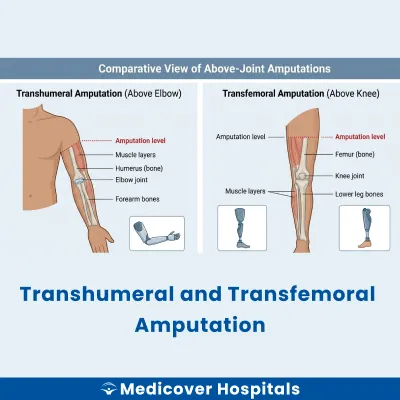
Transhumeral amputation involves the removal of the arm above the elbow (humerus). Transfemoral amputation refers to the removal of the leg above the knee (femur). These procedures are necessary when severe damage or disease affects these limbs, making them non-functional.
These amputations are often needed due to trauma, severe infection, or conditions like peripheral artery disease and cancer. If left untreated, these conditions can lead to life-threatening infections or severe pain. Modern surgical approaches include myoelectric prosthetics and osseointegration, which aim to improve mobility and function post-surgery.
Transhumeral and Transfemoral Amputation Doctors Near You
Find experienced vascular-endovascular-surgeons for transhumeral and transfemoral amputations at Medicover Hospitals across India. Choose your city and book a consultation to explore your treatment options.
Why Choose Medicover Hospitals for Transhumeral and Transfemoral Amputation?
Get a second opinion from trusted experts and makeconfident, informed decisions.
 Get Second Opinion
Complete Guide To Transhumeral And Transfemoral Amputation
Everything you need to know about the procedure, preparation, and recovery
Transhumeral and Transfemoral Amputation Surgery Indications
Doctors recommend transhumeral and transfemoral amputation when limb preservation is no longer viable. This decision is often made to alleviate severe symptoms or prevent further complications.
Severe Trauma
Patients may experience intense pain and bleeding from a severe injury. Examination might reveal crushed bones or irreparable tissue damage. When reconstructive efforts fail, amputation may be necessary.
Peripheral Artery Disease (PAD)
Patients often report leg pain and difficulty walking. Tests may show poor blood flow and tissue death. When medications and other treatments do not improve circulation, amputation might be advised.
Infection
Symptoms include fever, redness, and swelling in the limb. Lab tests may reveal resistant bacteria. If antibiotics and debridement do not control the infection, surgery may be required.
Malignant Tumours
Patients might notice a growing mass and experience pain. Imaging can confirm a tumour that invades surrounding tissues. If chemotherapy procedure and radiation are ineffective, amputation may be considered.
Severe Frostbite
Patients may experience numbness and discolouration in the affected limb. Examination might show dead tissue. When rewarming and other treatments fail, amputation may be necessary to prevent further harm.
How to Prepare for Transhumeral and Transfemoral Amputation?
Proper preparation is crucial for a smooth surgery and recovery process. It helps reduce complications and ensures a better outcome.
- Medication Review: Stop NSAIDs, anticoagulants, and herbal supplements at least a week before surgery.
- Fasting Instructions: Fast for at least 8 hours before the surgery if general anaesthesia is used.
- Pre-Surgery Hygiene: Bathe with antiseptic soap the night before and the morning of the surgery.
- Clothing: Wear loose, comfortable clothing on the day of the surgery for easy dressing post-operation.
- Transport Arrangement: Arrange for someone to drive you home after discharge.
- Medication List: Bring a list of current medications, including dosages, to the hospital.
- Home Preparation: Set up your living space for easy access and movement post-surgery.
- Emotional Support: Consider talking to a counsellor or support group to prepare mentally for the surgery.
Transhumeral and Transfemoral Amputation Surgery (Step-by-Step)
This surgery is performed by a vascular-endovascular surgeon. It typically lasts 2-4 hours and is done under general anaesthesia.
- Preparation: The patient is positioned on the operating table. The surgical area is cleaned and sterilised.
- Incision: A skin incision of about 1-2 cm is made at the designated site. The surgeon uses a scalpel to carefully cut through the skin and tissue layers.
- Muscle and Tissue Separation: Using a harmonic scalpel, the surgeon separates the muscles and tissues. This helps in preserving as much healthy tissue as possible.
- Bone Cutting: A bone saw is used to cut through the bone at the appropriate level. The surgeon ensures the cut is smooth to aid in healing.
- Blood Vessel Management: Bipolar cautery is used to seal blood vessels. This helps in controlling bleeding during the procedure.
- Closure: The surgeon shapes the remaining muscles to cover the bone end. Sutures or staples are used to close the incision.
- Post-Operative Care: The patient is moved to recovery. Pain management and monitoring are provided as the anaesthesia wears off.
Who Performs Transhumeral and Transfemoral Amputation Surgery?
This surgery is performed by vascular-endovascular surgeons. They are skilled in managing blood vessels and tissues, ensuring the procedure is done with precision.
Recovery After Transhumeral and Transfemoral Amputation Surgery
Recovery from transhumeral and transfemoral amputation surgery involves physical healing and adapting to new ways of performing daily activities. It's important to follow medical advice closely to ensure a smooth recovery.
Day 1-3:
- Rest is crucial. Keep the surgical area elevated to reduce swelling.
- Pain management with prescribed medications.
- Start with a light diet: soups, curd, and moong dal for easy digestion.
Day 4-7:
- Begin gentle movements as advised by your doctor.
- Continue with a balanced diet including dal-rice and khichdi to maintain energy levels.
- Monitor the surgical site for any signs of infection.
Day 8-14:
- Gradual increase in activity. Avoid strenuous tasks.
- Physical therapy may begin to improve mobility and strength.
- Incorporate more variety in meals, ensuring adequate protein intake.
Phase 2 (Week 3-6):
- Focus on rehabilitation exercises to enhance limb function.
- Return to work or school may be possible, depending on individual progress and job demands.
- Continue a nutritious diet to support healing.
Phase 3 (Week 7 and Beyond):
- Adaptation to prosthetics, if applicable, with ongoing therapy.
- Resume normal activities gradually, with guidance from healthcare providers.
- Regular follow-ups to monitor recovery progress.
When to Seek Urgent Help
- Severe pain unrelieved by medication.
- Fever or chills indicating possible infection.
- Excessive swelling, redness, or discharge from the surgical site.
- Sudden difficulty in breathing or chest pain.
Benefits of Transhumeral and Transfemoral Amputation Surgery
Transhumeral and transfemoral amputations can significantly improve quality of life for individuals with severe limb damage or disease.
- Pain Relief: Reduces chronic pain from damaged or diseased limbs.
- Infection Control: Helps prevent the spread of severe infections in the limb.
- Improved Mobility: Enables the use of prosthetics for better movement.
- Enhanced Functionality: Allows patients to regain independence in daily activities.
Risks and Complications of Transhumeral and Transfemoral Amputation Surgery
While these surgeries offer benefits, they also come with potential risks and complications.
- Phantom Limb Pain: Sensations of pain in the amputated limb.
- Infection: Risk of infection at the surgical site.
- Deep Vein Thrombosis: Blood clots forming in deep veins.
- Poor Wound Healing: Delayed healing of the surgical wound.
- Prosthetic Complications: Challenges in fitting or using prosthetics.
What is the Cost of Transhumeral and Transfemoral Amputation Surgery
The cost of Transhumeral and Transfemoral Amputation Surgery at Medicover Hospitals ranges from Rs. 30,000 to Rs. 2,00,000, based on factors such as the surgical approach, duration of hospital stay, room category, necessary diagnostics, and post-operative care requirements.
At Medicover Hospitals, we offer transparent pricing to ensure clarity. We support insurance and TPA services, including CGHS, ESI, and major TPAs, with a cashless facility available for your convenience. Please contact the hospital for the latest insurance panel details as these may change periodically.
Frequently Asked Questions
1. How much does Transhumeral and Transfemoral Amputation surgery cost at Medicover Hospitals?
The cost of Transhumeral and Transfemoral Amputation surgery ranges from Rs. 30,000 to Rs. 2,00,
2. Please contact Medicover Hospitals for the most accurate pricing information. 2. Is Transhumeral and Transfemoral Amputation surgery covered under health insurance at Medicover?
Many health insurance plans, including CGHS and ESI, may cover this surgery. Please contact the hospital for current panel details.
3. Will I need a prosthetic limb after amputation?
Yes, a prosthetic limb is often recommended after transhumeral or transfemoral amputation. It helps in regaining mobility and functionality.
4. Can I drive after a Transfemoral Amputation?
Driving is possible with adaptations and training after a transfemoral amputation. Consult your rehabilitation specialist for guidance on suitable modifications.
5. What is phantom limb pain after amputation?
Phantom limb pain is a sensation where the amputated limb feels present. It is a common occurrence and can be managed with medications and therapy.
6. How soon can I return to work post-amputation?
Returning to work depends on the type of job and recovery progress. Generally, it may take several weeks to months with proper rehabilitation.
7. What exercises help in recovery after amputation?
Strengthening and flexibility exercises are crucial post-amputation. Consult your physiotherapist for a tailored program that may include yoga and resistance training.


