What is Total Laparoscopic Hysterectomy (TLH)?
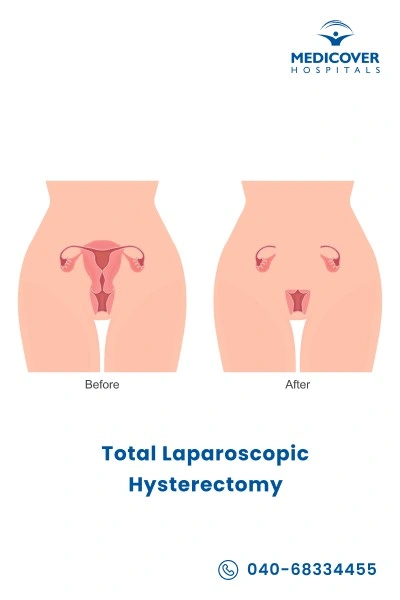
A Total Laparoscopic Hysterectomy (TLH) is a minimally invasive surgical procedure in which the uterus is removed using advanced laparoscopic (keyhole) techniques. Instead of a large abdominal cut, the surgeon makes a few small incisions through which a camera and surgical instruments are inserted. This allows precise removal of the uterus with minimal trauma to surrounding tissues.
TLH is commonly recommended for women suffering from conditions such as uterine fibroids, endometriosis, chronic pelvic pain, abnormal uterine bleeding, or cancers of the uterus and cervix. Compared to traditional open surgery, TLH offers several advantages, including fewer scars, less pain, reduced blood loss, shorter hospital stay, and a quicker return to daily activities.
Types of Total Laparoscopic Hysterectomy
In a Total Laparoscopic Hysterectomy (TLH), these variations are also possible:
- Total Hysterectomy: In this procedure, the entire uterus, including the cervix, is removed. This is the most common type and is recommended for conditions such as fibroids, heavy bleeding, or certain cancers. It ensures complete removal of the affected organ and prevents recurrence of symptoms.
- Subtotal (Partial) Hysterectomy: Here, only the upper part of the uterus is removed, leaving the cervix intact. This method may be chosen when the cervix is healthy, and the goal is to preserve pelvic support and some aspects of sexual function. However, patients still need regular cervical screening after surgery.
- Radical Hysterectomy: This involves the removal of the uterus, cervix, surrounding tissues, and sometimes part of the vagina. It is usually performed when cancer of the uterus or cervix is diagnosed. Since it is more extensive, the recovery may take longer compared to other types.
- Total Laparoscopic Hysterectomy (TLH): A minimally invasive option where the uterus is removed through small incisions in the abdomen using laparoscopic instruments. The uterus is then taken out through the vagina or by dividing it into smaller sections. TLH offers less pain, faster healing, and minimal scarring compared to open surgery.
1-3 Hours
Surgery Duration
General Anesthesia
Anesthesia Used
When is Total Laparoscopic Hysterectomy Recommended?
A Total Laparoscopic Hysterectomy is advised when other treatments fail to manage symptoms or when there are severe medical conditions affecting the uterus. Common indications include:
- Uterine Fibroids: Fibroids are very common, and while they're noncancerous, they can make life really uncomfortable with heavy bleeding, constant pelvic pressure, and even difficulty sleeping. When tablets or simpler treatments don't work, TLH offers a permanent fix by removing the uterus and giving lasting relief.
- Endometriosis: Living with endometriosis can be extremely painful and exhausting. The tissue growing outside the uterus often causes severe cramps, back pain, and fertility issues. If other treatments haven't helped, TLH can be a way to finally break free from the constant pain and regain quality of life.
- Abnormal Uterine Bleeding: For some women, heavy or irregular bleeding feels like it controls their whole life. When medicines and more minor procedures fail, a hysterectomy can stop the bleeding for good and help restore energy, confidence, and overall health.
- Chronic Pelvic Pain: Ongoing pelvic pain can make even simple daily activities challenging. If the uterus is the source of this discomfort, TLH helps by removing the cause, giving women the chance to live without that constant nagging pain.
- Uterine Prolapse: When the uterus slips down due to weak pelvic muscles, it can cause discomfort, urinary issues, and embarrassment. TLH, sometimes done with pelvic floor repair, helps restore comfort and allows women to get back to normal activities with confidence.
- Gynaecological Cancers: For women diagnosed with uterine, cervical, or ovarian cancer, hysterectomy is often the safest and most effective treatment. TLH not only removes the tumour but also brings peace of mind by reducing the risk of it spreading.
Preparing for Total Laparoscopic Hysterectomy Procedure
Preparing for your Total Laparoscopic Hysterectomy surgery is a key part of a smooth surgery and a fast recovery.
Medical Evaluation & Pre-Op Visit
Before TLH, your doctor will review your complete medical history and current medications, along with routine tests like blood work, ECG, or ultrasound. These results help confirm you're fit for surgery and reduce risks.
Health Habits & Lifestyle Adjustments
Stop smoking 4-6 weeks before surgery as it slows healing, and avoid alcohol or blood-thinning medicines like aspirin or certain supplements at least 2 weeks before. Eating a nutritious diet helps your body recover faster.
Prepare Your Home & Support System
Arrange for someone to drive you to and from the hospital and assist during the first few days. Keep essentials like water, medications, sanitary pads, and loose clothing ready, and prepare light meals in advance.
The Day Before & Day of Surgery
Follow fasting instructions, usually no food or drink after midnight, to prevent anaesthesia complications. Take a shower with antiseptic soap if advised, and avoid lotions, perfumes, or makeup. Wear loose, comfortable clothing on the day.
What Happens During a Total Laparoscopic Hysterectomy Surgery?
During TLH, small incisions are made in the abdomen, a laparoscope is inserted, and the uterus is removed with minimal tissue disruption.
- Anesthesia & Preparation: The procedure begins with general anaesthesia, so you'll be asleep and pain-free. Once ready, the surgical area is sterilised, and small keyhole incisions are made on your abdomen.
- Insertion of Laparoscope & Instruments: A laparoscope (tiny camera) is inserted through one incision to give the surgeon a clear view of internal organs on a screen. Other small instruments are inserted through extra incisions for precision work.
- Detachment of the Uterus: The surgeon carefully separates the uterus from surrounding structures such as the ovaries, fallopian tubes, and supporting ligaments. Blood vessels are sealed to prevent bleeding during the process.
- Removal of the Uterus: The uterus is removed either through the vaginal opening or by breaking it into smaller pieces and taking it out via laparoscopic incisions. The choice depends on the size and condition of the uterus.
- Closure & Recovery: Finally, the instruments are removed, and the small incisions are closed with stitches or surgical glue. You'll be shifted to the recovery area for observation until you wake up safely from anaesthesia.
Who will perform the Total Laparoscopic Hysterectomy (TLH) Procedure?
- Gynaecologist
- Gynecologic Surgeon
- Reproductive Endocrinologist
- Healthcare Provider
Recovery After Total Laparoscopic Hysterectomy (TLH)
Recovering from a laparoscopic hysterectomy is a gradual process, and following your doctor's advice closely ensures a smooth and safe healing journey.
First Few Days After Surgery
- In the first few days, expect abdominal soreness, mild bloating, and fatigue. These are entirely normal after TLH.
- Walking short distances, even within the room, helps prevent blood clots and supports faster recovery.
- Avoid lifting heavy objects and rest with your head slightly elevated for comfort.
Doctor's Tip: "Mild pain and tiredness are expected. Take your prescribed medicines on time instead of waiting for pain to worsen."
Weeks 2 to 4
- By weeks 2 to 4, pain and swelling begin to settle down. You'll start feeling more energetic and mobile.
- Light activities like slow walking or desk work can be resumed, but avoid bending, straining, or any heavy household chores.
- Focus on eating nutritious meals and staying hydrated for better healing.
Doctor's Tip: "Listen to your body, if you feel discomfort, slow down and give yourself more time to recover."
Weeks 5 to 6
- At this stage, most women are able to return to routine work and regular daily activities. You'll notice a significant improvement in stamina, but strenuous exercises or sexual activity should still wait for a doctor's clearance.
- The internal tissues continue healing, even if you feel physically better.
Doctor's Tip: "Don't rush back into workouts or heavy lifting, your internal recovery is still ongoing."
2 to 3 Months Post-Surgery
- By 2 to 3 months, most women feel fully recovered and experience improved comfort and quality of life.
- Energy levels are back, and you can gradually reintroduce moderate exercises and other activities.
- Regular follow-ups with your doctor ensure everything is healing properly and no complications are present.
Doctor's Tip: "Stick to your follow-up schedule, it's the best way to confirm that recovery is complete."
Lifestyle Changes After TLH
- Avoid heavy lifting, strenuous exercise, or sexual intercourse until cleared by your doctor.
- Follow a balanced diet and stay hydrated to promote healing.
- Take prescribed medications and hormone therapy if recommended.
- Attend all post-operative appointments for monitoring.
Benefits of Total Laparoscopic Hysterectomy (TLH)
The surgery results in smaller scars, less pain, faster recovery, shorter hospital stays, and lower risk of infection compared to open surgery.
- More minor cuts, less pain: Keyhole incisions mean minimal scarring, reduced blood loss, and usually a shorter hospital stay.
- Faster recovery: Most patients resume a light routine in 1-2 weeks and return to everyday life sooner than with open surgery.
- Precise treatment: High-definition laparoscopic view helps remove diseased tissue accurately (fibroids, adenomyosis, endometriosis).
- Lasting relief: Stops heavy bleeding, pelvic pain, and pressure symptoms, improving energy, sleep, and daily comfort.
- Fewer wound problems: Lower risk of large-incision issues like hernia or wound infection compared with open surgery.
Risks of Total Laparoscopic Hysterectomy (TLH)
Potential risks include bleeding, infection, injury to nearby organs, anesthesia-related issues, or blood clots.
- Bleeding, infection, clots: Usually low risk, managed with antibiotics, blood-thinners if needed, and early walking.
- Injury to nearby organs: Rare injury to bladder, ureter, or bowel; experienced surgeons and real-time monitoring minimise this.
- Anaesthesia reactions: Nausea or dizziness can occur; modern protocols keep this risk low and manageable.
- Urinary or bowel changes: Temporary burning, urgency, or constipation may appear; typically, they settle with hydration and meds.
- Vaginal cuff issues: Rare bleeding or dehiscence at the closure site; follow lifting/sexual-activity restrictions to prevent this.
Total Laparoscopic Hysterectomy Cost in India
The cost of TLH usually ranges from Rs. 55,000 to Rs. 3,75,000, depending on the city, hospital, and complexity of the surgery. Factors like the surgeon's expertise, hospital facilities, type of room, and whether advanced techniques such as robotic assistance are used can influence the final cost.
 040 68334455
 WhatsApp
 Patient Portal
 Home Care