What Is a Thigh Lift?
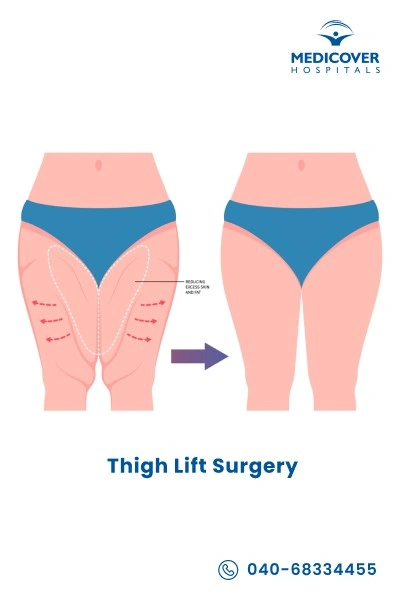
A thigh lift is a surgical procedure that removes excess skin and fat from the thighs to give them a firmer and smoother appearance. It helps improve body contours, especially after weight loss or aging. The surgery can target the inner, outer, or both areas of the thighs, depending on your needs.
Thigh lifts not only enhance the look of your legs but also make movement and wearing clothes more comfortable. You can also view thigh lift before and after results to see the transformations. Recovery time varies, but most people can return to regular activities within a few weeks.
Types of Thigh Lift
There are several types of thigh lifts procedures depending on the area and amount of skin to be removed:
- Inner Thigh Lift: Focuses on the inner part of the thighs to remove excess skin and fat, giving a smoother and firmer look.
- Outer Thigh Lift: Targets the outer thighs and hips to improve body contours and tighten loose skin.
- Bilateral Thigh Lift: Combines both inner and outer thigh lifts for overall thigh reshaping and a balanced appearance.
- Mini Thigh Lift: A less invasive option that addresses small areas of sagging, ideal for mild skin laxity.
Choosing the right type depends on your body shape, goals, and the amount of excess skin.
2-5 Hours
Surgery Duration
General Anesthesia
Anesthesia Used
3-6 Months
Full Recovery Timeline
When is a Thigh Lift Recommended?
A thigh lift can be a transformative procedure for improving leg contours and comfort. Based on current clinical guidance, here are the main reasons why patients consider it:
- Loose Skin and Fat on the Thighs After Weight Loss or Aging: If sagging skin or stubborn fat remains despite a healthy lifestyle, a thigh lift removes excess skin and tightens the area for smoother, firmer thighs.
- Skin Irritation or Discomfort from Rubbing: Excess skin can cause chafing or discomfort when walking or exercising. A thigh lift reduces these issues and makes movement easier.
- Body Contour Improvement After Major Weight Loss: Significant weight loss can leave behind loose skin that affects appearance and confidence. A thigh lift reshapes the thighs for a balanced and natural look.
Preparing for the Thigh Lift Surgery Procedure
Proper preparation ensures a safe thigh lift surgery procedure and faster recovery. Understanding pre-op requirements, lifestyle adjustments, and home preparation can make the process smoother and more comfortable.
Medical Evaluation & Pre-Op Visit
- Review your full medical history, current medications, and overall health with your surgeon.
- Complete routine tests such as blood work, ECG, or any other required examinations to confirm you're ready for surgery.
- Have all results ready at least a week before the procedure to finalize scheduling and address any concerns.
Health Habits & Lifestyle Adjustments
- Quit smoking at least 4-6 weeks before surgery, as it can slow healing and increase risks.
- Avoid alcohol and medications that can increase bleeding, like aspirin, NSAIDs, vitamin E, and herbal supplements, for 2 weeks before surgery.
- Maintain a balanced diet rich in protein, vitamins, and minerals to support faster recovery.
Prepare Your Home and Support System
- Arrange for someone to drive you to and from the hospital and stay with you during the first 24-48 hours.
- Set up a recovery area with essentials like water, medications, pillows, loose clothing, and snacks within easy reach.
- Prepare meals in advance so nourishing food is accessible even when movement is limited.
The Day Before & Day of Surgery
- Follow fasting instructions, usually no food or drink after midnight, to ensure safe anesthesia.
- Follow surgeon's instructions for bathing, using antiseptic soap if directed, and avoid lotions, perfumes, and nail polish.
- Wear comfortable, front-opening clothes and avoid jewelry or makeup when coming in for surgery.
What Happens During Thigh Lift Surgery?
A thigh lift is a surgical procedure designed to remove excess skin and fat, giving your legs a firmer and smoother appearance. Understanding the steps of the surgery can help you feel more prepared and confident.
- Preparation & Anesthesia: You'll first meet your surgical team on the day of surgery to review the procedure and address any last-minute questions. Once in the operating room, general anesthesia is administered so you are asleep and comfortable throughout the surgery.
- Incisions & Skin Lifting: The surgeon makes precise incisions on the inner or outer thighs, depending on the area being treated. The skin is lifted, and excess fat and tissue are exposed for removal.
- Removal of Excess Skin & Fat: Excess skin and fat are carefully trimmed away. The remaining skin is then tightened and sutured, giving the thighs a smoother and firmer appearance.
- Shaping & Contouring: In some cases, liposuction may be used around the thighs to improve contours and achieve a more balanced look.
- Closing the Incisions: The surgeon closes the incisions with sutures and may use adhesive, tape, or clips to reinforce healing. Compression garments are applied to support the thighs and reduce swelling.
After surgery, you'll be moved to a recovery area. Small drains may be placed to remove any fluid buildup. Walking is encouraged within a day to improve circulation, and gentle movement along with wearing compression garments helps during the early recovery phase. Thigh lift exercise and gradual activity can help improve recovery.
Who will do the Thigh Lift Procedure?
A thigh lift procedure is performed by a qualified cosmetic or plastic surgeon with experience in body contouring surgeries. These surgeons are trained to remove excess skin and fat safely while shaping the thighs for a natural, balanced look. Your surgery will also involve a professional medical team, including anesthesiologists and nursing staff, to ensure safety and comfort before, during, and after the procedure.
Recovery After Thigh Lift Surgery Procedure
Recovery after a thigh lift is gradual, and following your surgeon's instructions is key to a smooth healing process.
Immediate Post-Surgery Care
After the procedure, you will be monitored in the hospital for a day or two. Small drains may be placed to remove excess fluid, and compression garments are applied to support your thighs and reduce swelling.
First Few Weeks
Mild swelling, bruising, and discomfort are common. Walking gently is encouraged to improve circulation, but strenuous activities should be avoided for at least 2-3 weeks. Thigh lift recovery time may vary based on the individual.
Returning to Normal Activities
Most people can resume light daily activities within 2-3 weeks. Full recovery, including the fading of scars and complete tissue healing, may take 3-6 months.
Tips for Faster Recovery
Follow your surgeon's guidelines, wear compression garments as advised, maintain a healthy diet, stay hydrated, and attend all follow-up appointments for the best results.
Benefits of Thigh Lift Surgery
A thigh lift offers several advantages for improving the appearance and comfort of your legs.
- Firmer and Smoother Thighs: Removes excess skin and fat, giving the legs a toned and contoured look.
- Improved Body Contours: Enhances the overall proportion of the lower body, making clothes fit better.
- Reduced Skin Irritation: Eliminates chafing or rubbing caused by loose skin, making movement more comfortable.
- Boosted Confidence: Helps many people feel more confident and satisfied with their appearance.
- Long-Lasting Results: When combined with a healthy lifestyle, the results of a thigh lift can last for many years.
Risks of Thigh Lift Surgery
Like any surgical procedure, a thigh lift carries some risks. Being aware of them can help you make an informed decision.
How much does it cost to get a thigh lift in India?
The cost of thigh lift surgery typically varies depending on the complexity of the procedure, the surgeon's experience, and the facility's amenities. A standard thigh lift generally ranges between Rs. 70,000 and Rs. 3,50,000 or more.
 040 68334455
 WhatsApp
 Patient Portal
 Home Care