What Is Scar Revision?
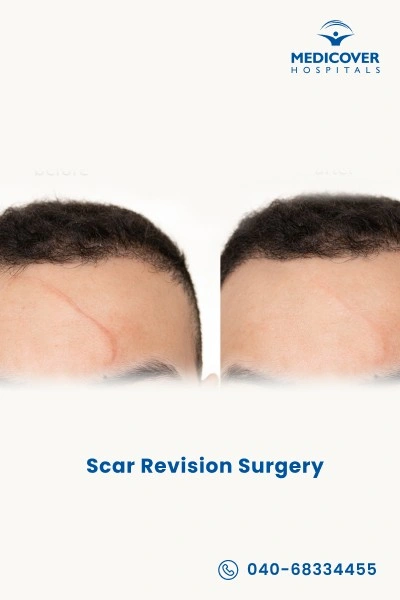
Scar revision is a medical and cosmetic procedure designed to improve the appearance of scars caused by injuries, surgeries, or other skin-related conditions. This procedure is performed to minimize the visibility of scars, restore skin function, and enhance overall aesthetics.
Scar revision techniques can vary based on the type, size, and location of the scar. The goal is to create a more natural, less noticeable scar that blends with the surrounding skin. Scar revision may involve surgical excision, tissue rearrangement, laser therapy, dermabrasion, or other methods.
Different Types of Scars
- Hypertrophic Scars: Thick, raised scars that remain within the boundaries of the original wound.
- Keloid Scars: Firm, raised scars that grow beyond the original wound area, often larger and more noticeable.
- Contracture Scars: Scars that tighten the skin, usually caused by burns, and may restrict movement.
- Atrophic Scars: Depressed or sunken scars, commonly seen after acne, chickenpox, or injuries.
- Stretch Marks (Striae): Long, thin scars caused by rapid stretching of the skin, such as during pregnancy, weight changes, or growth spurts.
30 Mins to 2 Hours
Surgery Duration
General / Local Anesthesia
Anesthesia Used
Several Months
Full Recovery Timeline
What Are The Indications For The Scar Revision Procedure?
Scar revision is recommended for people who have scars that cause either cosmetic dissatisfaction or functional problems. It is considered when scars are:
- Prominent, thick, raised, or unsightly in appearance.
- Tightened (contracture scars) and limit movement, especially after burns or trauma.
- Located on visible areas like the face, neck, or hands, where they affect appearance and self-confidence.
- Discolored with irregular pigmentation (too light or too dark compared to surrounding skin).
What Conditions Does Scar Revision Treat?
Scar revision surgery helps treat a variety of scar-related concerns, including:
- Keloids: Thick, raised scars that extend beyond the original wound.
- Hypertrophic scars: Raised scars that stay within the wound area but may be itchy or uncomfortable.
- Contracture scars: Burn or injury-related scars that restrict mobility.
- Acne scars: Pitted or uneven scars left behind by severe acne.
- Post-trauma or surgical scars: Scars caused by accidents, cuts, or surgeries that heal poorly or appear unsatisfactory.
When Would A Doctor Recommend Scar Revision?
A doctor may recommend scar revision if:
- The scar is causing physical discomfort, such as tightness, itching, or pain.
- The scar is interfering with function, such as restricting joint movement.
- Non-surgical treatments (like silicone sheets, injections, or creams) have not improved the scar.
- The patient is emotionally distressed or self-conscious due to the scar's appearance.
Who Is The Scar Revision Procedure For?
Scar revision can benefit:
- Adults or children with burn scars, surgical scars, or trauma-related scars.
- Individuals with keloids or hypertrophic scars that have not improved with non-surgical care.
- People struggling with acne scars or facial scars affecting appearance.
- Patients seeking cosmetic improvement to feel more confident in social or professional settings.
How Should I Prepare Before The Scar Revision Surgery?
Preparation is essential for a safe and effective scar revision procedure. Key steps include:
- Consult a qualified surgeon: Discuss your treatment goals, scar concerns, and expected outcomes.
- Provide medical history: Share information about existing health conditions, allergies, and medications.
- Stop smoking and limit alcohol: Smoking delays healing and increases complications, so it's best to quit several weeks before surgery.
- Maintain good hygiene: Keep the scar area clean and avoid lotions, creams, or makeup on the day of surgery.
- Arrange transportation: Since anesthesia or sedation may be used, you'll need someone to drive you home.
- Prepare your home: Set up a recovery area with clean dressings, prescribed ointments, and over-the-counter supplies.
What Tests Are Done Before Scar Revision Surgery?
Depending on your medical history and the type of scar revision procedure planned, your surgeon may order:
- Blood tests to evaluate overall health.
- Imaging tests (in rare cases) if the scar is near vital structures.
- Allergy testing if specific medications or anesthesia are planned.
- Skin evaluation to determine the best surgical or non-surgical technique.
Should I stop eating, drinking, or taking medicines?
- Fasting: If general or local anesthesia with sedation will be used, you'll likely be asked to avoid eating or drinking for 6-8 hours before surgery.
- Medications: Blood thinners (like aspirin or warfarin), anti-inflammatory drugs, and certain supplements (such as vitamin E, fish oil, or herbal remedies) may need to be stopped temporarily. Always follow your surgeon's specific instructions.
- Daily medications: For conditions like diabetes or high blood pressure, your doctor will guide you on whether to continue or adjust doses.
What happens before Scar Revision surgery?
Before the scar revision procedure begins, the following usually occurs:
- You'll review the surgical plan and sign consent forms.
- The scar area will be marked and sterilized.
- Anesthesia (local or general) will be administered based on the procedure type.
- The surgical team will make sure you're comfortable and ready before proceeding.
Steps Involved in Scar Revision Procedure
The scar revision procedure involves various techniques and approaches to improve the appearance of scars resulting from injuries, surgeries, or skin conditions. The specific method used depends on the type of scar, its location, size, and the individual's goals.
Here's what can be done during a scar revision procedure:
- Surgical Excision: Removes raised scars; incision is sutured for a finer, less visible scar.
- Z-Plasty/W-Plasty: Repositions scar tissue to blend with natural skin lines.
- Tissue Rearrangement: Moves healthy skin over scars to improve appearance.
- Laser Therapy: Reduces scar redness and texture by targeting collagen.
- Dermabrasion: Smoothens scars by removing the outer skin layer.
- Microneedling: Stimulates collagen production for smoother scar texture.
- Injectable Fillers: Raise depressed scars for improved appearance.
- Silicone Products: Flattens and softens scars over time.
- Cryotherapy: Freezes and removes raised scars like keloids.
- Steroid Injections: Reduces inflammation and flattens raised scars.
- Compression Therapy: Prevents raised scars using compression garments.
Who Performs the Scar Revision Procedure?
A scar revision procedure is typically performed by a qualified Plastic Surgeon or a dermatologic surgeon with expertise in cosmetic and reconstructive procedures.
These medical professionals have the necessary training and experience to assess the type of scar, recommend appropriate treatment options, and perform revision surgery using various techniques.
How Are Scars Treated?
Scars can be treated in different ways depending on their type, size, location, and severity. Treatment may be medical, surgical, or non-surgical. Here are the main approaches:
Non-Surgical Treatments for Scars
- Topical creams and gels: Silicone sheets, steroid creams, and scar-reducing ointments help flatten and fade scars.
- Injections: Corticosteroid injections are used to shrink thick or raised scars (like keloids and hypertrophic scars).
- Laser therapy: Reduces redness, smooths scar texture, and improves skin tone.
- Dermabrasion & microdermabrasion: Removes the upper skin layers to make scars less visible.
- Chemical peels: Helps with pigmentation and shallow scars.
- Microneedling: Stimulates collagen to improve skin texture, especially for acne scars.
Surgical Scar Treatments (Scar Revision Procedure)
- Excision (scar removal surgery): The old scar is removed and the wound is carefully closed to create a less noticeable scar.
- Z-plasty or W-plasty: Techniques to reposition or break up tight/contracture scars to improve mobility and appearance.
- Skin grafts or flaps: Used for large scars, burns, or trauma when more skin coverage is needed.
- Fat grafting: Transfers fat to improve skin contour and reduce depressions from scars.
Minimally Invasive Procedures
- Fillers: Used to elevate depressed scars and smooth out the skin.
- Cryotherapy: Freezing keloids or hypertrophic scars to shrink them.
- Radiofrequency or ultrasound therapy: Helps soften and remodel scar tissue.
Supportive and Home Care
- Massage therapy: Scar massage helps soften tissue and improve flexibility.
- Pressure therapy: Elastic garments or pressure dressings flatten raised scars.
- Sun protection: Sunscreen prevents scars from darkening.
- Moisturizing: Keeps skin hydrated and supports healing.
Recovery after Scar Revision Procedure
Recovery after a scar revision procedure is a gradual process that involves allowing your body to heal while following your surgeon's postoperative instructions.
Here's what you can generally expect during the recovery period:
- Postoperative Care: You may stay in a recovery area until the anaesthesia wears off, then go home the same day.
- Dressings and Sutures: Keep dressings intact and follow care instructions. Sutures may be removed in follow-up visits.
- Pain Management: Mild discomfort is normal. Take prescribed or over-the-counter pain relievers as advised.
- Wound Care: Keep the area dry and clean, avoiding activities that may disrupt healing.
- Rest and Activity: Rest for a few days. Avoid strenuous activity to ensure proper healing.
- Follow-Up Appointments: Attend scheduled visits for healing checks and suture removal.
- Scar Management: Use recommended ointments or silicone sheets to reduce scarring.
- Resuming Activities: Follow the surgeon's advice on when to resume work and exercise.
- Swelling and Bruising: Expect swelling and bruising, which will subside over time.
- Healing Timeline: Full healing may take weeks to months. Return to normal activities in a few weeks.
- Monitor for Complications: Contact your surgeon if you notice infection signs, excessive pain, or unusual symptoms.
Lifestyle Changes After the Scar Revision Procedure
After undergoing a scar revision procedure, there are several lifestyle changes and precautions you should consider to promote proper healing and achieve the best possible results.
Here are some lifestyle adjustments to keep in mind during your recovery
- Follow your surgeon's instructions
- Keep the area clean to prevent infection
- Avoid harsh products until healing is complete
- Protect yourself from the sun with sunscreen or clothing
- Avoid smoking & limit alcohol - both slow healing
- Eat a healthy diet and stay hydrated
- Avoid heavy activity until cleared
- Resume gentle skincare only when advised
- Use scar massage and scar care products if recommended
- Attend all follow-up appointments
- Stay positive and patient during recovery
By following these simple steps, you can help ensure a smoother recovery and achieve the best possible results from your scar revision.
What are the Benefits of the Scar Revision Procedure?
The scar revision procedure offers both cosmetic and functional improvements, making it an effective solution for many people:
- Improves appearance: Scars are blended into the surrounding skin for a more natural look.
- Boosts self-confidence: Enhances emotional well-being by reducing self-consciousness about visible scars.
- Restores movement and function: Particularly important for contracture scars that limit mobility.
- Smooths skin texture: Helps flatten raised or irregular scars for a more even surface.
- Evens out skin tone: Reduces redness, pigmentation, or discoloration in the scarred area.
- Relieves discomfort: Diminishes itching, tenderness, or tightness caused by scar tissue.
- Encourages proper healing: Supports scar maturation for a healthier long-term result.
- Customizable approach: Different surgical and non-surgical options are tailored to the type and location of the scar.
- Delivers lasting results: With good care, improvements are long-term and can significantly enhance quality of life.
What are the risks of the scar revision procedure?
While generally safe, scar revision surgery does carry some risks, such as:
- Infection: As with any surgery, there is a risk of infection at the incision site.
- Bleeding or hematoma: Minor bleeding or blood accumulation may occur.
- Delayed healing: Some patients may heal more slowly, especially smokers or those with certain medical conditions.
- Allergic reactions: Rare reactions to anesthesia or sutures.
- Scar recurrence: In some cases, scars may reform or worsen, particularly with keloids.
- Skin irregularities: Uneven skin texture or color differences may persist.
What are the side effects of the scar revision procedure?
Common short-term side effects after a scar revision procedure include:
- Swelling and bruising around the treated area.
- Redness that gradually fades over weeks to months.
- Mild pain or tenderness, managed with medication.
- Temporary numbness or tingling near the scar.
- Stiffness in the treated area, which usually improves with time and care.
Most side effects are temporary and resolve as the healing process continues.
How much does scar revision cost?
The scar revision cost in India usually ranges from Rs. 8,000 to Rs. 50,000, depending on the type, size, and location of the scar. Non-surgical options such as laser treatment or microneedling can cost around Rs. 3,000 to Rs. 25,000 per session, while surgical scar revision may cost between Rs. 15,000 and Rs. 60,000. For facial scars, the price may go up to Rs. 70,000.
The final cost depends on factors like the type of treatment, number of sessions required, surgeon's expertise, hospital or clinic facilities, and the city where the procedure is done.
 040 68334455
 WhatsApp
 Patient Portal
 Home Care