 Call
Call Patient Reports
Best Hospital for Salpingo-Oophorectomy Surgery with Expert Gynecological Care
At Medicover Hospitals, our skilled gynecologists, with qualifications like MS, DNB, and FMAS, perform salpingo oophorectomy using laparoscopic techniques. This approach ensures smaller incisions and reduced blood loss, leading to a shorter hospital stay for patients across India.
Expert Surgeons
Yearly Surgeries
Patient Satisfaction
What is Salpingo Oophorectomy?
Salpingo Oophorectomy is a surgical procedure to remove the ovaries and fallopian tubes. The ovaries are the organs that produce eggs and hormones like estrogen. The fallopian tubes connect the ovaries to the uterus. This surgery is often performed to treat or prevent certain medical conditions.
Salpingo Oophorectomy is needed for conditions like ovarian cancer, ectopic pregnancy, or severe pelvic infections. It may also be done to reduce the risk of cancer in high-risk individuals. If these conditions are left untreated, they can lead to serious health issues. Modern surgical approaches for this procedure include laparoscopic surgery, which involves small incisions, and robotic-assisted surgery for precision.
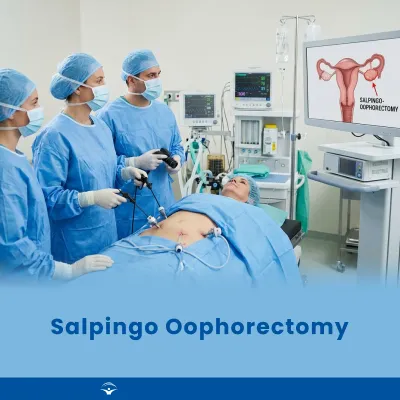
Salpingo Oophorectomy Surgery (Ovary Removal Surgery) Doctors Near You
Discover expert gynecologists for salpingo oophorectomy at Medicover Hospitals across India. Choose your city and book a consultation to discuss your treatment options with our experienced specialists.
Why Choose Medicover Hospitals for Salpingo Oophorectomy?
Get a second opinion from trusted experts and makeconfident, informed decisions.
 Get Second Opinion
Complete Guide To Salpingo Oophorectomy
Everything you need to know about the procedure, preparation, and recovery
Salpingo Oophorectomy Surgery Indications
Doctors recommend salpingo oophorectomy when certain conditions affecting the ovaries and fallopian tubes require surgical intervention. This procedure is often considered when symptoms persist despite conservative treatments.
Ovarian Cysts
Patients may experience pelvic pain, bloating, or irregular menstrual cycles. Imaging tests like ultrasounds reveal large or persistent cysts. Surgery is advised when these cysts do not resolve with medication or pose a risk of rupture.
Ovarian Cancer
Symptoms include abdominal swelling, weight loss, or changes in bowel habits. Diagnostic tests such as CT scans or blood markers indicate malignancy. Surgery is necessary when cancer is confirmed or highly suspected.
Endometriosis
Severe pelvic pain, heavy periods, and infertility are common symptoms. Minimally invasive laparoscopic surgery or MRI may show endometrial tissue on the ovaries. Surgery is considered when pain is unmanageable with medication.
Pelvic Inflammatory Disease (PID)
Patients often report lower abdominal pain, fever, and unusual discharge. Ultrasound or pelvic exams may show abscesses or scarring. Surgery is needed when antibiotics fail to resolve the infection.
Ectopic Pregnancy
Symptoms include sharp abdominal pain and vaginal bleeding. Ultrasounds confirm the presence of a pregnancy outside the uterus. Immediate surgery is required to prevent complications.
Prophylactic Surgery
Individuals with a high genetic risk for ovarian or brest cancer may opt for surgery. Genetic testing and family history guide this decision. Surgery is preventive in nature to reduce cancer risk.
How to Prepare for Salpingo Oophorectomy?
Preparation is crucial for a smooth Salpingo Oophorectomy. It helps reduce risks and ensures a successful recovery. Follow these steps to get ready for the procedure.
- Medication Review: Stop NSAIDs, anticoagulants, and herbal supplements as advised by your doctor.
- Fasting: Do not eat or drink anything for at least 8 hours before the surgery to prepare for anaesthesia.
- Bowel Preparation: Follow any bowel prep instructions given by your healthcare provider, if applicable.
- Clothing: Wear loose, comfortable clothing on the day of the surgery for ease and comfort.
- Transportation: Arrange for someone to drive you home after the procedure, as you may feel groggy from anaesthesia.
- Medication List: Bring a list of all medications you take, including dosages, to share with your healthcare team.
- Pre-Surgery Tests: Complete any required blood tests or imaging studies as directed by your doctor.
- Rest and Relax: Ensure you get a good night's sleep before the surgery to help your body prepare.
Salpingo Oophorectomy Surgery (Step-by-Step)
Salpingo oophorectomy is performed by gynecologists. The surgery typically lasts 1-3 hours. It is usually done under general anaesthesia.
- Preoperative Preparation: The patient is asked to fast for several hours before the surgery. An intravenous line is placed for fluids and medications.
- Induction of Anaesthesia: The patient is given general anaesthesia. This ensures they are asleep and pain-free during the procedure.
- Incision and Access: A small incision (1-2 cm) is made near the navel. A trocar is inserted to allow the laparoscope to enter the abdomen.
- Visualisation and Dissection: The laparoscope provides a view of the pelvic organs. Instruments like a harmonic scalpel or bipolar cautery are used to carefully separate the fallopian tubes and ovaries from surrounding tissues.
- Removal of Organs: The fallopian tubes and ovaries are detached and removed through the incision. Care is taken to minimise bleeding and ensure all necessary tissues are removed.
- Closure: The incisions are closed with sutures or surgical glue. A dressing is applied to protect the area.
- Recovery: The patient is moved to a recovery room. They are monitored as they wake from anaesthesia. Pain management and post-operative care instructions are provided.
Who Performs Salpingo Oophorectomy Surgery?
Salpingo oophorectomy is performed by gynecologists. These specialists are trained in surgeries involving the female reproductive system. They ensure the procedure is done safely and effectively.
Recovery After Salpingo Oophorectomy Surgery
Recovery from salpingo oophorectomy surgery involves a gradual return to normal activities. Patients may experience some discomfort initially, but following the doctor's advice can aid in a smooth recovery.
Day 1-3:
- Rest is crucial. Avoid strenuous activities.
- Stick to a light diet. Opt for easily digestible foods like curd, dal-rice, and soups.
- Manage pain with prescribed medications.
Day 4-7:
- Gradually increase light activities, like walking around the house.
- Continue with a balanced diet. Include khichdi and moong dal for nutrition.
- Monitor the incision site for any signs of infection.
Day 8-14:
- Most patients can resume light work or school activities, depending on individual recovery.
- Introduce more variety into the diet while maintaining hydration.
- Avoid heavy lifting and intense exercises.
Phase 3 (Week 3-4):
- Gradually return to normal activities, including moderate exercise.
- Follow up with your doctor to ensure proper healing.
When to Seek Urgent Help
- Severe abdominal pain or swelling.
- Fever or chills indicating possible infection.
- Heavy bleeding or unusual discharge from the incision site.
- Difficulty urinating or persistent nausea.
Contact your healthcare provider if you experience any of these symptoms for prompt evaluation and care.
Benefits of Salpingo Oophorectomy Surgery
Salpingo oophorectomy is a surgical procedure that involves the removal of one or both ovaries and fallopian tubes. It offers several benefits, especially for those with specific medical conditions.
- Reduced Cancer Risk: It lowers the risk of ovarian and fallopian tube cancers, especially in high-risk individuals.
- Symptom Relief: Helps alleviate symptoms associated with ovarian cysts or endometriosis.
- Preventive Measure: Can be a preventive step for those with a family history of certain cancers.
- Hormonal Regulation: May help in managing hormone-related conditions.
Risks and Complications of Salpingo Oophorectomy Surgery
While salpingo oophorectomy can be beneficial, it is important to be aware of the potential risks and complications associated with the procedure.
- Common: Risk of infection at the surgical site.
- Common: Possible bleeding during or after the surgery.
- Rare: Injury to surrounding organs such as the bladder or intestines.
- Common: Hormonal changes leading to symptoms like hot flashes or mood swings.
- Rare: Blood clots may develop post-surgery.
- Rare: Potential for early onset of menopause if both ovaries are removed.
Cost of Salpingo Oophorectomy Surgery
The cost of Salpingo Oophorectomy Surgery at Medicover Hospitals ranges from Rs. 50,000 to Rs. 1,50,000. Prices vary based on the ward category chosen, such as day care, general, or suite options. We offer transparent pricing and support for insurance and TPA, including CGHS, ESI, and major TPAs. Cashless facilities are available to ease the financial process. Please contact the hospital for the latest insurance panel details as these may change periodically.
Frequently Asked Questions
1. How much does Salpingo Oophorectomy surgery cost at Medicover Hospitals?
The cost ranges from Rs. 50,000 to Rs. 1,50,000 across Medicover Hospitals, depending on the type of accommodation and care required.
2. Is Salpingo Oophorectomy surgery covered under health insurance at Medicover?
Salpingo Oophorectomy may be covered by CGHS, ESI, and major TPAs, offering cashless options. Please contact the hospital for current panel details.
3. Will I experience hormonal changes after oophorectomy?
Yes, removal of ovaries can lead to hormonal changes, including early menopause. Hormone replacement therapy might be recommended to manage symptoms.
4. What is the recovery time after salpingo oophorectomy?
Recovery typically takes 4-6 weeks, with initial rest followed by gradual activity. Avoid heavy lifting and strenuous exercises during this period.
5. Can I conceive after salpingo oophorectomy?
If both ovaries are removed, natural conception is not possible. Fertility options like IVF may be considered with prior egg preservation.
6. Will I need hormone replacement therapy post-surgery?
If both ovaries are removed, hormone replacement therapy is often advised. It helps manage symptoms like hot flashes and mood swings.
7. What dietary changes are recommended post-surgery?
Focus on a balanced diet with plenty of fruits, vegetables, and proteins. Indian foods like curd, dal-rice, and khichdi are easy to digest and recommended.


