What is Rhinoplasty?
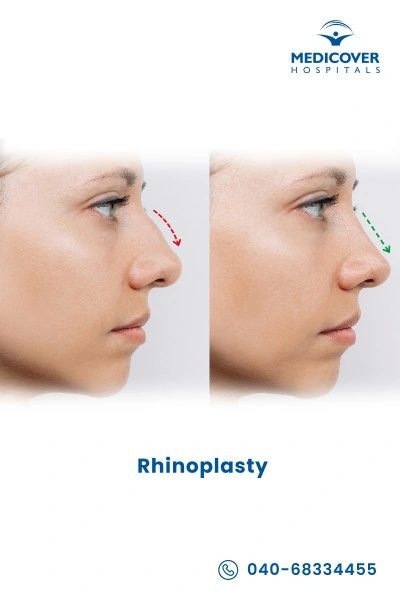
Rhinoplasty, often called a "nose job," is a surgical procedure that reshapes or reconstructs the nose. It may be performed for cosmetic and medical reasons, and it helps improve facial balance by refining the size, angle, or contour of the nose. On the other hand, it can restore nasal function by correcting structural problems such as a deviated septum, congenital deformities, or injuries.
It is not only about appearance, it can also improve breathing, comfort, and overall quality of life. By aligning form with function, it offers both aesthetic enhancement and medical benefits.
Types of Rhinoplasty
Rhinoplasty procedures vary depending on patient needs and goals.
There are different types of nose surgery, from cosmetic reshaping to functional correction:
Open Rhinoplasty
- In open rhinoplasty, the surgeon makes a small incision at the base of the nose (columella), allowing complete access to the underlying bone and cartilage.
- This approach is usually chosen for patients who need major reshaping or reconstruction, as it gives the surgeon greater precision in correcting deformities and refining nasal structure.
Closed Rhinoplasty
- Closed rhinoplasty involves incisions placed entirely inside the nostrils, leaving no visible scars. This method is preferred when only minor adjustments are required, such as reducing a small hump or refining the nasal tip.
- Because the tissue is less disturbed, patients often experience faster recovery times compared to the open approach.
Revision Rhinoplasty
- Sometimes patients are not satisfied with the results of a previous nose surgery, or complications may have occurred.
- Revision rhinoplasty is performed to correct such issues and improve the function or appearance of the nose.
- It is generally more complex than primary rhinoplasty because of scar tissue and changes from earlier surgery.
Functional Nose Surgery (Septoplasty)
- When nasal breathing is affected due to a deviated septum or other internal blockages, septoplasty is performed.
- This procedure straightens and stabilises the nasal septum, which significantly improves airflow and reduces symptoms such as snoring, sleep difficulties, and chronic nasal congestion.
Non-Surgical Rhinoplasty
- For patients seeking subtle improvements without undergoing surgery, non-surgical rhinoplasty is an option.
- This technique uses dermal fillers to smooth bumps, improve symmetry, or refine the nasal bridge.
- Results are temporary, but the procedure is quick, minimally invasive, and requires no downtime.
1-3 Hours
Surgery Duration
Local or General Anesthesia
Anesthesia Used
3-6 Months
Full Recovery Timeline
When is Rhinoplasty Recommended?
Rhinoplasty is recommended when patients experience either cosmetic concerns or functional issues with the nose.
- Dissatisfaction with nose shape or size: Many individuals seek rhinoplasty when they are dissatisfied with the shape, size, or proportion of their nose compared to the rest of the face. This can include concerns such as a drooping tip, wide nostrils, or asymmetry.
- Breathing difficulties due to structural problems: Breathing difficulties caused by structural issues like a deviated septum, collapsed nasal valves, or enlarged turbinates. In such cases, functional rhinoplasty or septoplasty can restore normal airflow.
- Nose deformity from injury or birth defect: These cases often require both cosmetic correction and functional repair to restore normal appearance and breathing.
- Correcting asymmetry or bumps for facial balance: Congenital deformities or birth-related nasal irregularities can also be treated through rhinoplasty. For example, children or adults with cleft-related nasal deformities may undergo surgery to improve both appearance and function.
- In certain cases, patients who have previously undergone nose surgery may need revision rhinoplasty if the outcome was unsatisfactory or if nasal function has been compromised.
How to Prepare for Rhinoplasty Surgery?
Proper preparation is one of the most important steps for anyone considering rhinoplasty, as it ensures a safer procedure, lowers risks, and makes recovery much smoother. The process usually begins several weeks before surgery and involves medical assessments, lifestyle changes, and careful planning at home.
Medical Evaluation & Tests
- Before rhinoplasty, patients undergo a comprehensive medical evaluation.
- This includes a detailed consultation with an ENT specialist or plastic surgeon, imaging scans to study the nose structure, and routine blood tests to check overall health.
- These assessments allow the surgical team to create a personalized plan that addresses both cosmetic and functional concerns.
Lifestyle Adjustments
- Specific lifestyle changes are essential before surgery.
- Smoking must be stopped at least a few weeks in advance, as nicotine can reduce blood flow and delay healing.
- Alcohol consumption should also be avoided since it increases the risk of bleeding and swelling.
- In addition, your doctor may recommend stopping blood-thinning medications, supplements, or herbal products that could interfere with safe anesthesia and recovery.
Home Preparation
- Rhinoplasty patients are encouraged to prepare their homes before the procedure.
- Arranging support from a family member or caregiver for the first 24-48 hours after surgery is important because mild grogginess, swelling, and discomfort can limit normal activities.
- Keeping essentials such as prescribed medicines, soft food, cold compresses, and extra pillows ready makes the recovery process much easier and more comfortable.
Day Before & Day of Surgery
- On the day before surgery, patients are usually instructed to follow fasting guidelines and avoid eating or drinking for a specific period of time.
- Skincare products, lotions, or heavy cosmetics should not be applied to the face or nose area.
- On the day of the procedure, it is advisable to wear loose and comfortable clothing, preferably with front buttons or zippers, so that dressing and undressing do not put pressure on the nose after surgery.
What Happens During Rhinoplasty Surgery?
Rhinoplasty is not only a cosmetic surgery but also a functional procedure designed to improve breathing and correct nasal deformities.
Every step is carefully planned and carried out by experienced specialists to achieve the best possible results in both appearance and nasal function.
Nose Job Procedure Steps
Preparation & Anesthesia
- On arrival at the hospital, the patient is prepared for surgery and placed under anesthesia to ensure a complete comfort and pain-free experience.
- Depending on the surgical plan and individual health factors, either general anesthesia or intravenous sedation may be used.
Incision / Access Point
- The surgeon then makes precise incisions to access the nasal structures.
- Two main techniques are commonly used: the closed approach, where incisions are hidden inside the nostrils, and the open approach, where a small incision is made across the columella (the strip of tissue between the nostrils).
- The choice of technique depends on the complexity of the correction needed.
Reshaping the Nose
- Once access is achieved, the surgeon carefully reshapes the nasal bone and cartilage.
- This may involve removing excess tissue, straightening the nasal bridge, refining the nasal tip, or even grafting cartilage from other areas such as the septum, ear, or rib to provide additional support and contour.
- The reshaping process is performed with precision to achieve harmony with the patient's facial features while also correcting any breathing difficulties caused by structural issues.
Closure
- After the desired reshaping is complete, the surgeon meticulously closes the incisions with fine sutures.
- In most cases, internal nasal splints or soft dressings may be placed to help the nose maintain its new shape during the healing period.
Recovery Room
- The patient is then moved to a recovery room, where they are closely monitored as the effects of anesthesia wear off.
- Most patients are discharged the same day or after a short observation period, depending on the complexity of the surgery and overall health status.
Who Performs the Rhinoplasty?
For the successful treatment of rhinoplasty, a skilled and experienced medical professional is essential. Depending on the complexity of the procedure, the following specialists are involved in performing rhinoplasty surgeries. Here's who will treat for rhinoplasty:
What to Expect After Rhinoplasty Procedure?
Rhinoplasty recovery is a gradual process, and it is important to remember that final results may take time to appear. With the right post-operative care and regular follow-ups, patients can achieve both functional and cosmetic improvements.
First Few Days
- In the initial days after surgery, patients commonly experience swelling, mild discomfort, nasal congestion, and slight bruising around the nose or eyes.
- Cold compresses and prescribed pain medications are usually recommended to control swelling and discomfort.
- Breathing may feel restricted, but this improves gradually as the nasal passages heal.
Weeks 2-4
- By the second or third week, most of the visible swelling begins to reduce.
- Patients generally feel more comfortable resuming daily activities, returning to work, and carrying out light household tasks.
- However, strenuous exercise should still be avoided to prevent any stress on the healing tissues.
Weeks 5-6
- Light physical activity, such as walking or mild gym exercises, can be restarted under the guidance of the surgeon.
- Patients should still avoid contact sports or any activity that risks accidental injury to the nose.
3-6 Months
- Over the next few months, the nasal structure continues to refine.
- The nose begins to take on a more natural appearance, and improvements in breathing become more noticeable.
- Swelling typically subsides almost completely during this phase.
12 Months
- Full recovery is usually achieved within a year.
- By this time, the final shape of the nose becomes visible, scars fade, and nasal function improves significantly.
- Patients can confidently enjoy both the aesthetic and health benefits of their rhinoplasty.
Doctor's Tip: "During recovery, avoid touching or pressing your nose unnecessarily. Sleeping with your head elevated on pillows helps reduce swelling and ensures faster healing."
Benefits of Rhinoplasty
Rhinoplasty is not just a cosmetic procedure; it also plays a key role in improving overall nasal health and breathing efficiency. Patients experience both physical and emotional benefits, which contribute to a better quality of life.
- Improved breathing and nasal function: Structural corrections in the nasal passage allow patients to breathe more comfortably, especially if they had previous issues like a deviated septum.
- Corrects deformities or injuries: The surgery effectively repairs congenital abnormalities, trauma-related injuries, or irregularities from previous procedures.
- Enhances facial balance and appearance: By reshaping the nose to better suit facial proportions, rhinoplasty helps in achieving a balanced and harmonious look.
- Boosts confidence and self-esteem: Many patients feel more comfortable in social interactions after rhinoplasty, as improved facial aesthetics contribute to self-confidence.
Risks of Rhinoplasty
Although rhinoplasty is considered a safe and commonly performed procedure, it is still important to understand the potential risks. Being aware of possible complications helps patients make informed decisions and follow their surgeon's advice closely.
- Bleeding or infection: As with any surgical procedure, there is a small risk of bleeding or infection. Proper post-operative care and antibiotics usually minimize this risk.
- Temporary numbness or swelling: Some patients may feel numbness around the nasal area or experience swelling for a few weeks, which typically resolves on its own.
- Scarring (rare in closed procedures): In closed rhinoplasty, scars are usually hidden inside the nostrils. However, in rare cases of open rhinoplasty, a fine scar may form at the base of the nose but often fades with time.
- Breathing difficulties (if healing complications occur): Improper healing or internal scar tissue may occasionally cause obstruction, but this can be corrected with medical treatment or revision surgery if necessary.
- Revision surgery need in rare cases: In rare instances, patients may require a secondary surgery to fine-tune results or correct unexpected healing patterns.
Cost of Rhinoplasty in India
The rhinoplasty cost in India depends on the complexity of the procedure, surgeon's expertise, and hospital facilities.
On average, the rhinoplasty cost at Medicover Hospitals ranges between Rs. 80,000 to Rs. 2,50,000. This range may differ for patients who require advanced reconstructive procedures, revision rhinoplasty, or combined functional and cosmetic corrections.
For an exact estimate tailored to your needs, we recommend reaching out to the Medicover Hospitals customer support team, who can guide you with transparent pricing and package options.
 040 68334455
 WhatsApp
 Patient Portal
 Home Care