 Call
Call Patient Reports
Redo Coronary Artery Bypass Grafting Surgery by Expert Ctvs Cardiothoracic And Vascular Surgery
Redo Coronary Artery Bypass Grafting at Medicover Hospitals is performed using the open surgical approach. Our team, with qualifications like MS, DNB, and MCh, ensures effective management of complex cardiac conditions. This approach often results in reduced blood loss and shorter hospital stays.
Expert Surgeons
Yearly Surgeries
Patient Satisfaction
What is Redo Coronary Artery Bypass Grafting?
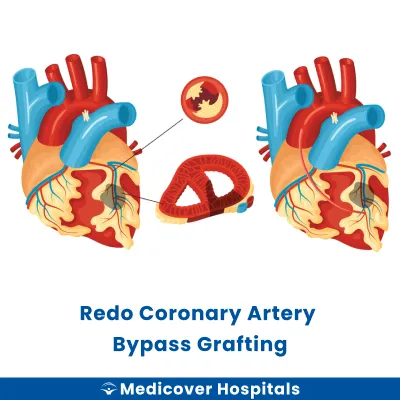
Redo Coronary Artery Bypass Grafting (Redo CABG) is a surgical procedure involving the heart. It is performed when a previous coronary artery bypass grafting (CABG) surgery needs to be revised or repeated. This procedure aims to restore blood flow to the heart muscle by bypassing blocked or narrowed coronary arteries. The coronary arteries supply oxygen-rich blood to the heart, and any obstruction can lead to serious health issues.
Redo CABG is needed when the initial grafts fail or new blockages develop. Conditions like recurrent chest pain or heart attacks may necessitate this surgery. If untreated, these conditions can lead to heart failure or other complications. Modern surgical approaches for Redo CABG include minimally invasive techniques and off-pump procedures, which may reduce recovery time and complications.
Redo Coronary Artery Bypass Grafting Doctors Near You
Find experienced CTVS specialists for redo coronary artery bypass grafting at Medicover Hospitals across India. Choose your city and book a consultation to discuss your surgical needs today.
Why Choose Medicover Hospitals for Redo Coronary Artery Bypass Grafting?
Get a second opinion from trusted experts and makeconfident, informed decisions.
 Get Second Opinion
Complete Guide To Redo Coronary Artery Bypass Grafting
Everything you need to know about the procedure, preparation, and recovery
Redo Coronary Artery Bypass Grafting Surgery Indications
Redo Coronary Artery Bypass Grafting (CABG) is recommended when previous bypass grafts fail or new blockages develop. It is considered when symptoms persist despite medication and lifestyle changes.
Recurrent Angina
Patients may experience chest pain or discomfort even after initial bypass surgery. This occurs when the grafts narrow or new blockages form. Doctors recommend redo CABG when medications no longer relieve symptoms.
Graft Occlusion
Imaging tests may reveal blocked grafts. Patients might notice increased fatigue or chest pain. When non-surgical treatments fail to improve blood flow, redo surgery is considered.
Myocardial Infarction
Some patients suffer a heart attack due to blocked grafts. Symptoms include severe chest pain and shortness of breath. If tests show significant blockages, redo CABG may be necessary.
Progressive Coronary Artery Disease
New blockages can develop in native arteries or grafts. Patients might experience worsening symptoms. When lifestyle changes and medications do not help, surgery is advised.
Graft Aneurysm
Occasionally, grafts may develop aneurysms, leading to chest pain or a pulsating mass. Imaging confirms the diagnosis. Surgery is needed if the aneurysm poses a risk of rupture.
Severe Ischemia
Patients may experience reduced blood flow to the heart, causing pain and fatigue. Tests show inadequate blood supply. When other treatments are ineffective, redo CABG is considered.
How to Prepare for Redo Coronary Artery Bypass Grafting?
Proper preparation for Redo Coronary Artery Bypass Grafting is crucial to ensure a smooth procedure and recovery. It helps in reducing risks and complications, making the surgery more effective.
- Medication Management: Stop NSAIDs, anticoagulants, and herbal supplements as advised by your doctor.
- Fasting: Do not eat or drink anything for at least 8 hours before the surgery to prepare for anaesthesia.
- Pre-Surgery Tests: Complete all required blood tests, ECG, and imaging studies as scheduled.
- Personal Items: Wear loose clothing and bring a list of current medications with dosages.
- Transportation: Arrange for someone to drive you home post-surgery, as you will not be able to drive yourself.
- Smoking and Alcohol: Avoid smoking and alcohol for a few weeks before surgery to aid in recovery.
- Hygiene: Follow any specific instructions for bathing or using antiseptic wipes before surgery.
- Insurance and Documentation: Ensure all insurance and hospital documentation is ready. Please contact the hospital for current details as insurance panels may change.
Redo Coronary Artery Bypass Grafting Surgery (Step-by-Step)
Overview: Performed by CTVS (Cardiothoracic and Vascular Surgery) specialists, this procedure typically lasts 4-6 hours under general anaesthesia.
- Preparation: The patient is given general anaesthesia to ensure they are asleep and pain-free. The surgical area is sterilised.
- Incision: A 15-20 cm incision is made along the previous scar on the chest to access the heart. Care is taken to avoid damage to the sternum.
- Heart Access: The sternum is carefully divided using a sternal saw. Retractors are used to hold the chest open, providing access to the heart.
- Graft Harvesting: Blood vessels for grafting, such as the saphenous vein or radial artery, are harvested using instruments like a harmonic scalpel.
- Bypass Grafting: The heart is temporarily stopped, and a heart-lung machine takes over blood circulation. New grafts are sewn onto the coronary arteries using fine sutures.
- Closure: The heart is restarted, and the sternum is closed with wires. The incision is sutured, and a dressing is applied.
- Recovery: The patient is moved to the ICU for monitoring. They may experience grogginess as anaesthesia wears off.
Who Performs Redo Coronary Artery Bypass Grafting Surgery?
This surgery is performed by cardiothoracic surgeons. These specialists have expertise in heart and chest surgeries. They use advanced techniques to ensure the procedure is performed safely and effectively.
Recovery After Redo Coronary Artery Bypass Grafting Surgery
Recovery from redo coronary artery bypass grafting (CABG) surgery requires careful attention and patience. Expect a gradual return to normal activities, with close monitoring of your health.
Day 1-3:
- Hospital stay for monitoring vital signs and managing pain.
- Start with a liquid diet, gradually moving to soft foods like soups and khichdi.
- Begin gentle breathing exercises as advised by the healthcare team.
Day 4-7:
- Transition to a heart-healthy diet, including moong dal, curd, and dal-rice.
- Short walks around the hospital ward to improve circulation.
- Continue with prescribed medications and breathing exercises.
Day 8-14:
- Discharge from the hospital if recovery is on track.
- Increase walking duration gradually, but avoid strenuous activities.
- Follow a balanced diet with plenty of fruits and vegetables.
Phase 3-6 Weeks:
- Resume light household activities and short outings.
- Continue with cardiac rehabilitation exercises if recommended.
- Return to work or school may be possible, depending on recovery progress.
Phase 6-12 Weeks:
- Gradually increase activity levels as tolerated.
- Regular follow-up appointments to monitor heart health.
- Maintain a heart-healthy diet and lifestyle.
When to Seek Urgent Help:
- Chest pain or shortness of breath.
- Signs of infection like fever or redness at the incision site.
- Unusual swelling in the legs or sudden weight gain.
Benefits of Redo Coronary Artery Bypass Grafting Surgery
Redo Coronary Artery Bypass Grafting (CABG) can offer significant benefits for patients with recurring heart issues after an initial bypass surgery.
- Improved Blood Flow: Enhances blood circulation to the heart muscle, reducing symptoms of angina.
- Symptom Relief: Helps alleviate chest pain and shortness of breath, improving quality of life.
- Reduced Risk of Heart Attack: Lowers the likelihood of future heart attacks by addressing blocked arteries.
- Extended Life Expectancy: Potentially increases lifespan by restoring adequate blood flow to the heart.
Risks and Complications of Redo Coronary Artery Bypass Grafting Surgery
While redo CABG can be beneficial, it carries certain risks. Patients should be aware of these before proceeding.
Common Risks
- Infection at the incision site can occur, requiring medical attention.
- Bleeding during or after surgery may necessitate further intervention.
Rare Risks
- Stroke or heart attack during or shortly after the procedure.
- Kidney dysfunction due to reduced blood flow during surgery.
- Memory loss or cognitive changes post-surgery.
- Graft failure, leading to the need for additional procedures.
Cost of Redo Coronary Artery Bypass Grafting Surgery
The cost of Redo Coronary Artery Bypass Grafting Surgery can vary from ₹3,50,000 and ₹4,80,000 based on several factors. These include the surgical approach, duration of hospital stay, room category, required diagnostics, and post-operative care.
At Medicover Hospitals, we offer transparent pricing to ensure clarity. We support various insurance and TPA options, including CGHS, ESI, and major TPAs, with a cashless facility available for your convenience. Please contact the hospital for the latest insurance panel details as these may change periodically.
Frequently Asked Questions
1. How much does Redo Coronary Artery Bypass Grafting surgery cost at Medicover Hospitals?
The cost of Redo Coronary Artery Bypass Grafting surgery varies . Please contact Medicover Hospitals for detailed pricing information.
2. Is Redo Coronary Artery Bypass Grafting surgery covered under health insurance at Medicover?
Redo Coronary Artery Bypass Grafting surgery is often covered by CGHS, ESI, and major TPAs. Please contact the hospital for current panel details.
3. Can I experience chest pain after Redo CABG?
Some patients may experience chest pain after Redo CABG. It's important to report any pain to your doctor for proper evaluation.
4. How soon can I resume normal activities post-Redo CABG?
You may need to wait 6-8 weeks before resuming normal activities. Always follow your doctor's advice for a safe recovery.
5. Will I need lifelong medication after Redo CABG?
Lifelong medication may be necessary to manage heart health post-Redo CABG. Your doctor will prescribe the appropriate medication for you.
6. What are the dietary changes after Redo CABG?
A heart-healthy diet including fruits, vegetables, and whole grains is recommended. Indian foods like dal-rice and khichdi are suitable options.
7. Can Redo CABG lead to complications like arrhythmias?
Arrhythmias can occur after Redo CABG. Regular follow-ups with your doctor are crucial to monitor and manage any complications.


