 Call
Call Patient Reports
Radical Subtotal Gastrectomy Surgery by Expert Oncologists
Radical subtotal gastrectomy at Medicover Hospitals is performed using the open surgical approach. Our oncologists, with qualifications like MS, DNB, and MCh, specialise in gastrointestinal cancer management. This procedure often results in shorter hospital stays and reduced recovery time for patients.
Expert Surgeons
Yearly Surgeries
Patient Satisfaction
What is Radical Subtotal Gastrectomy?
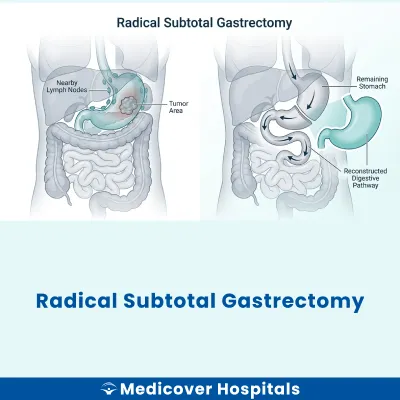
Radical subtotal gastrectomy is a surgical procedure involving the removal of a significant portion of the stomach. This operation targets the stomach (the organ responsible for digestion) to eliminate diseased or cancerous tissues. The remaining part of the stomach is then connected to the small intestine, allowing for continued digestion.
This surgery is often necessary for conditions like stomach cancer or severe ulcers. If left untreated, these conditions can lead to complications such as bleeding, obstruction, or metastasis. Modern surgical approaches for radical subtotal gastrectomy include laparoscopic (minimally invasive) and open surgery. These techniques aim to reduce recovery time and improve outcomes. Always consult with a healthcare professional to understand the best approach for your condition.
Radical Subtotal Gastrectomy Doctors Near You
Find experienced oncologists for radical subtotal gastrectomy surgery at Medicover Hospitals across India. Choose your city and book a consultation to discuss your treatment options with our specialists.
Why Choose Medicover Hospitals for Radical Subtotal Gastrectomy?
Get a second opinion from trusted experts and makeconfident, informed decisions.
 Get Second Opinion
Complete Guide To Radical Subtotal Gastrectomy
Everything you need to know about the procedure, preparation, and recovery
Radical subtotal gastrectomy surgery Indications
Doctors recommend radical subtotal gastrectomy when part of the stomach needs removal due to certain conditions. This surgery is often considered when less invasive treatments have not been effective.
Stomach Cancer
Patients may experience persistent stomach pain, unexplained weight loss, or vomiting. Imaging and endoscopy might reveal a tumour in the stomach. When chemo drug therapy or radiation does not control the cancer, surgery is advised.
Severe Peptic Ulcer Disease
Chronic abdominal pain, bloating, and bleeding are common symptoms. Endoscopy may show large ulcers that do not heal with medication. Surgery is considered when ulcers cause significant bleeding or perforation.
Gastrointestinal Stromal Tumours (GIST)
Symptoms include abdominal pain and a palpable mass. CT scans or MRIs may detect these tumours. Surgery is recommended when the tumour is large or causing complications.
Recurrent Gastric Polyps
Patients might experience discomfort or bleeding. Endoscopic findings show multiple or large polyps. When polyps recur despite removal, surgery is necessary.
Severe Gastric Outlet Obstruction
Symptoms include nausea, vomiting, and inability to eat. Imaging may show blockage at the stomach exit. Surgery is required when obstruction does not improve with other treatments.
How to Prepare for Radical Subtotal Gastrectomy?
Preparation is crucial for a successful radical subtotal gastrectomy. It helps reduce complications and aids in a smoother recovery.
- Medication Review: Stop NSAIDs, anticoagulants, and herbal supplements as advised by your doctor.
- Fasting Guidelines: Fast for at least 8 hours before surgery to ensure anaesthesia safety.
- Bowel Preparation: Follow any specific bowel prep instructions given by your healthcare provider.
- Clothing: Wear loose, comfortable clothing on the day of surgery for ease and comfort.
- Transportation: Arrange for someone to drive you home post-surgery, as you may feel drowsy.
- Medication List: Bring a list of your current medications with dosages for hospital records.
- Smoking and Alcohol: Avoid smoking and alcohol for at least a week before surgery to promote healing.
- Pre-Surgery Tests: Complete all required tests like blood work or imaging as scheduled by your doctor.
Radical subtotal gastrectomy surgery (Step-by-Step)
This surgery is performed by oncologists. It typically lasts 3-5 hours and is done under general anaesthesia.
- Preparation: The patient is placed under general anaesthesia. Vital signs are monitored continuously.
- Incision: A 10-15 cm incision is made in the abdomen. This provides access to the stomach.
- Exploration: The surgeon uses a laparoscope to examine the stomach and surrounding tissues. This helps in assessing the extent of the disease.
- Resection: The affected part of the stomach is carefully removed using a harmonic scalpel. Nearby lymph nodes may also be excised.
- Reconstruction: The remaining part of the stomach is connected to the small intestine. This is done to maintain the digestive tract's continuity.
- Closure: The incision is closed with sutures or staples. A drain may be placed to remove excess fluids.
- Recovery: The patient is moved to a recovery room. Pain management and monitoring continue as they awaken from anaesthesia.
Who Performs Radical subtotal gastrectomy surgery?
This surgery is performed by surgical oncologists. They specialise in treating cancers affecting the stomach and digestive tract. Their expertise ensures the procedure is done with precision. Please contact the hospital for current details as insurance panels may change.
Recovery After Radical Subtotal Gastrectomy Surgery
Recovering from a radical subtotal gastrectomy involves gradual healing and adjustment to dietary changes. It's important to follow your doctor's advice closely to ensure a smooth recovery.
Day 1-3:
- Hospital stay is common. Initial recovery involves monitoring vital signs and managing pain.
- Only clear liquids are allowed. Gradually introduce small sips of water and clear soups.
Day 4-7:
- Transition to a liquid diet including broths and strained soups.
- Start walking short distances to promote circulation.
Day 8-14:
- Introduce soft foods like curd, dal-rice, and khichdi. Eat small, frequent meals.
- Avoid spicy and oily foods. Stay hydrated.
- Continue gentle walking. Avoid heavy lifting and strenuous activities.
Phase 3 (Week 3-6):
- Gradually reintroduce more solid foods like moong dal and soft vegetables.
- Monitor tolerance to new foods. Chew thoroughly.
- Resume light activities. Consult your doctor about returning to work or school.
Phase 4 (Beyond 6 weeks):
- Continue to expand your diet with balanced meals. Focus on nutrition.
- Regular follow-ups with your doctor to monitor recovery.
- Gradually resume normal activities as advised by your healthcare provider.
When to Seek Urgent Help:
- Severe abdominal pain or swelling.
- Persistent vomiting or inability to keep food down.
- Signs of infection like fever or redness around the incision.
- Unexplained weight loss or weakness.
Benefits of Radical subtotal gastrectomy surgery
Radical subtotal gastrectomy is a surgical procedure aimed at removing a significant portion of the stomach, primarily for treating stomach cancer<. It offers several potential benefits:
- Effective Cancer Removal: Helps in removing cancerous tissues, reducing the risk of cancer spread.
- Improved Survival Rates: May enhance long-term survival chances for patients with stomach cancer.
- Symptom Relief: Alleviates symptoms like pain and discomfort associated with stomach cancer.
- Better Digestive Function: Can improve digestion by removing the affected stomach area.
Risks and Complications of Radical subtotal gastrectomy surgery
While radical subtotal gastrectomy can be beneficial, it also carries certain risks and complications. Patients should be aware of these potential issues:
- Common - Infection: Risk of infection at the surgical site.
- Common - Bleeding: Potential for bleeding during or after the procedure.
- Common - Nutritional Deficiencies: Possible deficiencies due to reduced stomach size.
- Rare - Anastomotic Leak: Leakage at the site where the stomach is reconnected.
- Rare - Dumping Syndrome: Rapid gastric emptying causing nausea and diarrhea.
- Rare - Stricture Formation: Narrowing at the surgical site leading to obstruction.
Cost of Radical subtotal gastrectomy surgery
The cost of Radical subtotal gastrectomy surgery at Medicover Hospitals ranges from Rs. 171,000 to Rs. 310,000. The price varies depending on the ward category chosen, such as day care, general, or deluxe suites. We offer transparent pricing to ensure clarity for our patients.
Insurance and TPA support, including CGHS, ESI, and major TPAs, are accepted to facilitate a cashless experience. Please contact the hospital for the latest insurance panel details as these may change periodically.
Frequently Asked Questions
1. How much does Radical subtotal gastrectomy surgery cost at Medicover Hospitals?
The cost of Radical subtotal gastrectomy surgery at Medicover Hospitals ranges from Rs. 171,000 to Rs. 310,000, depending on the facility and room type.
2. Is Radical subtotal gastrectomy surgery covered under health insurance at Medicover?
Radical subtotal gastrectomy surgery is often covered by CGHS, ESI, and major TPAs. Please contact the hospital for current panel details.
3. Will I need a special diet after gastrectomy?
Yes, post-gastrectomy, a soft diet including curd, dal-rice, and khichdi is recommended. Gradual introduction of solid foods is advised over weeks.
4. Can I experience dumping syndrome after gastrectomy?
Dumping syndrome is a possible complication after gastrectomy. Symptoms can include nausea, abdominal cramps, and diarrhea shortly after eating.
5. How will my digestion change after gastrectomy?
After a gastrectomy, digestion may be quicker and less efficient. Smaller, more frequent meals are recommended to aid digestion.
6. Will I lose weight after a subtotal gastrectomy?
Weight loss is common after a subtotal gastrectomy due to reduced stomach size. Nutritional guidance is essential to maintain health.
7. Is vitamin deficiency a concern post-gastrectomy?
Yes, vitamin B12 deficiency can occur post-gastrectomy due to reduced absorption. Regular monitoring and supplements are often necessary.


