 Call
Call Patient Reports
Prostate Biopsy Procedure by Expert urologists
At Medicover Hospitals, our Consultant urologists, with an MBBS and MD in urology, performs prostate biopsies using the endoscopic approach. This method ensures smaller incisions and reduced blood loss, enhancing patient recovery and comfort during the procedure across India.
Expert Experts
Yearly Procedures
Patient Satisfaction
What is Prostate Biopsy?
A prostate biopsy is a medical procedure to remove small samples of tissue from the prostate gland. The prostate is a small gland in men that produces seminal fluid. This procedure helps in diagnosing conditions like prostate cancer by examining the tissue under a microscope.
A prostate biopsy is needed when there are abnormal results from a prostate-specific antigen (PSA) test or a digital rectal exam (DRE). These abnormalities may indicate prostate cancer or other prostate conditions. If left untreated, these conditions can lead to serious health issues. Modern approaches for prostate biopsy include transrectal ultrasound-guided biopsy and MRI-ultrasound fusion biopsy. These methods help in accurately targeting the area for sampling.
Prostate Biopsy Doctors Near You
Find experienced Urologists across Medicover locations in India. Choose your city and book a consultation to discuss your prostate biopsy needs with our specialists.
Why Choose Medicover Hospitals for Prostate Biopsy?
Get a second opinion from trusted experts and makeconfident, informed decisions.
 Get Second Opinion
Complete Guide To Prostate Biopsy
Everything you need to know about the procedure, preparation, and recovery
Prostate Biopsy Procedure Indications
Doctors recommend a prostate biopsy when there are concerns about prostate health. This procedure helps to diagnose or rule out prostate cancer and other conditions affecting the prostate gland.
Elevated PSA Levels
Patients may not experience symptoms, but blood tests show high Prostate-Specific Antigen (PSA) levels. Persistent elevation despite lifestyle changes or medications may lead to a biopsy recommendation.
Abnormal Digital Rectal Exam (DRE)
During a DRE, a doctor may feel irregularities or hard areas on the prostate. These findings, especially if accompanied by urinary symptoms, often prompt a biopsy for further investigation.
Suspicious Imaging Results
Imaging tests like MRI might reveal suspicious areas in the prostate. If these areas do not respond to initial treatments or continue to grow, a biopsy is usually advised.
Family History of Prostate Cancer
Men with a strong family history of prostate cancer may undergo regular screenings. If any tests suggest abnormalities, a biopsy is often the next step to ensure early detection.
Persistent Urinary Symptoms
Symptoms like frequent urination, difficulty starting urination, or blood in urine can be concerning. If these symptoms persist despite treatment, a biopsy helps determine the underlying cause.
How to Prepare for Prostate Biopsy?
Proper preparation for a prostate biopsy is crucial to ensure accurate results and minimize complications. Following the recommended steps helps in a smooth procedure and recovery.
- Medication Review: Stop NSAIDs, anticoagulants, and herbal supplements as advised by your doctor to reduce bleeding risk.
- Fasting: If sedation is planned, fast for at least 6-8 hours before the procedure.
- Bowel Preparation: Use an enema or prescribed laxative the night before to clear the rectal area.
- Antibiotics: Take prescribed antibiotics before the procedure to prevent infection.
- Clothing: Wear loose, comfortable clothing on the day of the biopsy for ease and comfort.
- Transportation: Arrange for someone to drive you home post-procedure, especially if sedation is used.
- Medication List: Bring a list of your current medications, including dosages, for reference.
- Hydration: Drink plenty of fluids the day before, unless instructed otherwise.
Prostate Biopsy procedure (Step-by-Step)
Overview: A prostate biopsy is performed by urologists. It typically takes about 30 to 45 minutes. Local anaesthesia is commonly used to numb the area.
- Preparation: The patient lies on their side or back. The area is cleaned, and local anaesthesia is administered to minimise discomfort.
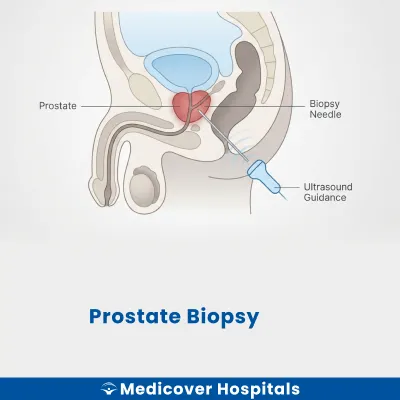
- Ultrasound Guidance: A transrectal ultrasound probe is gently inserted into the rectum. This helps the doctor view the prostate and guide the biopsy needle.
- Biopsy Needle Insertion: A spring-loaded biopsy needle is used. It quickly enters the prostate through the rectal wall to collect tissue samples. The patient may feel a brief pinch or pressure.
- Sample Collection: Multiple tissue samples are taken, usually 10-12. This ensures a thorough examination. The needle is inserted and withdrawn several times, but the procedure is quick.
- Post-Procedure Care: The probe is removed, and the patient may rest briefly. Mild soreness or light bleeding is normal. Patients are advised to avoid strenuous activities for a few days.
- Sample Analysis: The collected tissue samples are sent to a laboratory. A pathologist examines them for any signs of cancer or other conditions.
Who Performs Prostate Biopsy procedure?
Prostate biopsies are performed by urology doctors. These specialists are trained in diagnosing and treating conditions related to the urinary tract and male reproductive organs. They use precise instruments and techniques to ensure accurate results and patient comfort.
Recovery After Prostate Biopsy Procedure
After a prostate biopsy, it's normal to experience some discomfort and mild symptoms. Recovery is generally quick, but it's important to follow your doctor's advice to ensure a smooth healing process.
Day 1-2:
- Rest is crucial. Avoid strenuous activities and heavy lifting.
- You may notice some blood in urine or stool, which is normal.
- Drink plenty of fluids to help flush out the urinary system.
- Stick to a light diet. Opt for soft foods like curd, dal-rice, and soups.
Day 3-5:
- Gradually resume normal activities, but avoid intense exercise.
- Continue with a balanced diet. Include moong dal and khichdi for easy digestion.
- Monitor for any unusual symptoms, such as fever or severe pain.
Day 6-7:
- Most people can return to work or school by now, depending on how they feel.
- Maintain hydration and a nutritious diet to support recovery.
- Sexual activity can usually be resumed after a week, but confirm with your doctor.
When to Seek Urgent Help:
- High fever or chills.
- Excessive bleeding or clots in urine.
- Severe pain that doesn't improve with medication.
- Difficulty urinating or inability to urinate.
If you experience any of these symptoms, contact your healthcare provider immediately. Always follow your doctor's specific instructions for a safe recovery.
Benefits of Prostate Biopsy procedure
Prostate biopsy is a crucial procedure for diagnosing prostate conditions, including cancer.
- Accurate Diagnosis: Provides precise information about the presence of cancer cells.
- Guides Treatment: Helps in planning the most effective treatment strategy.
- Early Detection: Identifies cancer at an early stage, improving treatment outcomes.
- Clarifies PSA Levels: Helps understand the cause of elevated prostate-specific antigen (PSA) levels.
Risks and Complications of Prostate Biopsy procedure
While prostate biopsy is generally safe, it carries certain risks and complications.
Common Risks
- Bleeding at the biopsy site or in urine and semen.
- Infection, which may require antibiotics.
Rare Risks
- Difficulty urinating due to swelling or infection.
- Allergic reactions to anaesthesia or medications used during the procedure.
- Sepsis, a serious infection that requires immediate medical attention.
Cost of Prostate Biopsy procedure
The cost of a prostate biopsy procedure can vary from Rs. 2,700 to Rs. 80,000 based on factors such as the surgical approach, duration of hospital stay, room category, required diagnostics, and post-operative care.
At Medicover Hospitals, we ensure transparent pricing for all procedures. We offer support for insurance and TPA, including CGHS, ESI, and major TPAs, with a cashless facility available for your convenience. Please contact the hospital for the latest insurance panel details as these may change periodically.
Frequently Asked Questions
1. How much does prostate biopsy procedure cost at Medicover Hospitals?
The cost of a Prostate Biopsy procedure varies from Rs. 2,700 to Rs. 80,
2. Please contact Medicover Hospitals for the most accurate and current pricing information. 2. Is prostate biopsy procedure covered under health insurance at Medicover?
Prostate Biopsy may be covered by insurance, including CGHS, ESI, and major TPAs. Please contact the hospital for current panel details.
3. Will I need a catheter after a prostate biopsy?
A catheter is usually not needed after a prostate biopsy. However, your doctor will advise based on your specific condition.
4. Can I experience blood in urine after prostate biopsy?
Yes, it is common to notice blood in urine for a few days after the procedure. This usually resolves on its own.
5. What foods should I avoid after a prostate biopsy?
Avoid spicy foods and alcohol for a few days. Opt for soft foods like curd, dal-rice, and khichdi to aid recovery.
6. How long should I rest after a prostate biopsy?
Rest for at least 24 hours after the procedure. Avoid strenuous activities for a week to ensure proper healing.
7. Can a prostate biopsy affect my sexual function?
Temporary changes in sexual function can occur after a prostate biopsy. These usually resolve within a few weeks.


