 Call
Call Patient Reports
Advanced Osteomyelitis Debridement Surgery Hospital with Expert Care
Osteomyelitis Debridement at Medicover Hospitals is performed using an open surgical approach. Our orthopaedic surgeons, with qualifications like MS and DNB, are skilled in managing bone infections. This procedure often results in reduced infection risk and promotes faster recovery.
Expert Surgeons
Yearly Surgeries
Patient Satisfaction
What is Osteomyelitis Debridement?
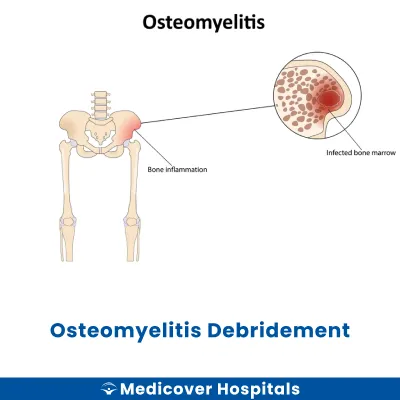
Osteomyelitis Debridement is a surgical procedure to remove infected bone tissue. It primarily involves bones, often in the limbs. The term 'debridement' refers to the removal of dead or damaged tissue. This helps in preventing the spread of infection and promotes healing. The procedure is crucial for managing osteomyelitis, an infection in the bone.
This surgery is needed when antibiotics alone cannot control the infection. Conditions like diabetes, open fractures, or recent surgeries can lead to osteomyelitis. If left untreated, the infection may spread, causing severe complications. Modern surgical approaches include minimally invasive techniques and endoscopic methods. These help in reducing recovery time and improving outcomes. Early intervention is key to preventing further damage.
Osteomyelitis Debridement Doctors Near You
Discover skilled orthopedics for osteomyelitis debridement at Medicover Hospitals across India. Choose your city and book a consultation to address your needs with expert care.
Why Choose Medicover Hospitals for Osteomyelitis Debridement?
Get a second opinion from trusted experts and makeconfident, informed decisions.
 Get Second Opinion
Complete Guide To Osteomyelitis Debridement
Everything you need to know about the procedure, preparation, and recovery
Osteomyelitis Debridement Surgery Indications
Doctors recommend osteomyelitis debridement surgery when the infection in the bone does not respond to antibiotics alone. This procedure helps remove infected tissue, allowing for better healing and recovery.
Persistent Bone Pain
Patients often experience severe, continuous pain in the affected bone. Despite medication, the pain persists, indicating the need for surgical intervention. Imaging may show bone damage or abscesses.
Swelling and Redness
Noticeable swelling and redness over the infected area can signal a deep infection. If these symptoms do not improve with antibiotics, surgery may be necessary to remove infected tissue.
Fever and Malaise
Persistent fever and a general feeling of illness can accompany osteomyelitis. If these symptoms continue despite treatment, it suggests that the infection is not under control, warranting surgery.
Non-Healing Wounds
Open wounds or ulcers that do not heal, especially over bony areas, can indicate underlying osteomyelitis. When conservative treatments fail, debridement is often required to promote healing.
Abnormal Lab Results
Elevated white blood cell count and inflammatory markers in blood tests may point to ongoing infection. If these levels remain high, surgery might be needed to address the source.
Imaging Evidence of Infection
Scans like MRI or X-rays showing bone erosion or abscess formation suggest severe infection. When these findings persist despite treatment, debridement becomes a necessary step.
How to Prepare for Osteomyelitis Debridement?
Proper preparation for osteomyelitis debridement is crucial to ensure a smooth surgical process and optimal recovery. Following the guidelines helps minimise risks and complications.
- Medication Review: Stop NSAIDs, anticoagulants, and herbal supplements as advised by your doctor.
- Fasting Guidelines: Fast for at least 8 hours before the surgery if general anaesthesia is used.
- Medical History: Bring a list of current medications and their dosages to the hospital.
- Clothing: Wear loose, comfortable clothing on the day of the surgery.
- Transportation: Arrange for someone to drive you home post-surgery.
- Pre-Surgical Tests: Complete any required blood tests or imaging studies as instructed.
- Infection Control: Follow any specific hygiene instructions provided by your healthcare team.
- Rest and Relaxation: Ensure adequate rest before the procedure to aid recovery.
Osteomyelitis Debridement Surgery (Step-by-Step)
This procedure is performed by orthopaedic surgeons. It typically lasts between 1 to 3 hours and is usually done under general anaesthesia.
- Preparation: The patient is positioned comfortably on the operating table. Anaesthesia is administered to ensure they are asleep and pain-free.
- Incision: A small incision, usually 1-2 cm, is made over the affected bone area to access the site of infection.
- Debridement: The surgeon uses instruments like a curette or harmonic scalpel to remove infected bone and tissue. This helps in clearing the infection.
- Irrigation: The area is thoroughly cleaned with a saline solution to wash away debris and bacteria.
- Inspection: The surgeon inspects the site to ensure all infected material is removed. They may use a coblation wand or bipolar cautery for precision.
- Closure: The incision is closed with sutures or staples. A sterile dressing is applied to protect the wound.
- Recovery: The patient is moved to a recovery room. They are monitored as they wake up from anaesthesia.
Who Performs Osteomyelitis Debridement Surgery?
This surgery is performed by orthopaedic surgeons. These specialists are trained in diagnosing and treating bone infections. They use specific instruments and techniques to ensure effective removal of infected tissue.
Recovery After Osteomyelitis Debridement Surgery
Recovery from osteomyelitis debridement surgery involves careful monitoring and adherence to medical advice. Patients can expect a gradual return to normal activities, with specific attention to wound care and infection prevention.
Day 1-3:
- Rest is crucial. Avoid putting weight on the affected area.
- Keep the surgical site clean and dry. Follow dressing change instructions.
- Pain and swelling are common. Take prescribed medications as directed.
Day 4-7:
- Begin gentle movements as advised by your doctor to prevent stiffness.
- Introduce light, nutritious meals. Include curd, dal-rice, and soups to support healing.
- Continue monitoring for signs of infection like increased redness or discharge.
Week 2-4:
- Gradually increase activity levels. Avoid strenuous activities.
- Attend follow-up appointments for wound assessment and possible removal of stitches.
- Incorporate foods like khichdi and moong dal to maintain energy and aid recovery.
Week 5-8:
- Resume work or school if cleared by your doctor, usually around week 6.
- Engage in physical therapy if recommended to restore full function.
- Continue a balanced diet to support overall health and recovery.
When to Seek Urgent Help:
- Fever or chills indicating possible infection.
- Severe pain unrelieved by medication.
- Persistent swelling or redness around the surgical site.
- Unusual discharge or foul smell from the wound.
Benefits of Osteomyelitis Debridement Surgery
Osteomyelitis debridement surgery is a crucial procedure to manage bone infections effectively. It helps in removing infected tissue and promotes healing.
- Infection Control: Removes infected bone and tissue, reducing the spread of infection.
- Pain Relief: Alleviates pain caused by the infection and inflammation.
- Improved Mobility: Restores function and mobility by addressing the root cause of discomfort.
- Prevents Complications: Reduces the risk of further complications like abscess formation.
Risks and Complications of Osteomyelitis Debridement Surgery
While osteomyelitis debridement surgery is generally safe, it carries certain risks and potential complications.
- Common: Post-operative pain and swelling at the surgical site.
- Common: Risk of infection at the incision site.
- Rare: Damage to surrounding nerves or blood vessels.
- Rare: Recurrence of the infection, requiring further treatment.
- Rare: Adverse reactions to anaesthesia.
- Rare: Delayed healing or non-union of the bone.
Cost of Osteomyelitis Debridement Surgery
The cost of osteomyelitis debridement surgery at Medicover Hospitals ranges from Rs. 100000 to Rs. 220000. The price varies depending on the type of ward chosen, such as outpatient, day care, general, or suite options.
We offer transparent pricing and support for insurance and TPA services, including CGHS, ESI, and major TPAs. A cashless facility is also available for your convenience. Please contact the hospital for the latest insurance panel details as these may change periodically.
Frequently Asked Questions
1. How much does Osteomyelitis Debridement surgery cost at Medicover Hospitals?
The cost ranges from Rs. 100000 to Rs. 220000 at Medicover Hospitals, depending on the procedure and facilities chosen.
2. Is Osteomyelitis Debridement surgery covered under health insurance at Medicover?
Coverage is available under CGHS, ESI, and major TPAs, with cashless options. Please contact the hospital for current panel details.
3. Can osteomyelitis return after debridement?
There is a possibility of recurrence if the infection is not fully eradicated. Regular follow-ups are crucial to monitor healing.
4. Will I need antibiotics after debridement?
Yes, antibiotics are typically prescribed post-surgery to prevent infection. It's important to complete the full course as directed by your doctor.
5. What foods help recovery after osteomyelitis surgery?
Include protein-rich foods like dal-rice and curd in your diet. These help in tissue repair and boost immunity during recovery.
6. Can I walk immediately after debridement?
Walking may be restricted initially to allow proper healing. Your doctor will advise when it's safe to resume normal activities.
7. How can I prevent complications post-surgery?
Maintain good hygiene and follow your doctor's instructions carefully. Avoid smoking and ensure proper wound care to prevent complications.
8. Is debridement surgery painful?
Debridement surgery may cause some pain or discomfort, but it is usually performed under anesthesia or local numbing to minimize pain during the procedure. Afterward, mild to moderate pain is common and can be effectively managed with medications.
9. How long is debridement recovery?
Recovery time after debridement depends on the size and severity of the wound, but it typically takes a few days to several weeks. Proper wound care and follow-up are important to promote faster healing and prevent infection.


