What Is an Orchiopexy?
Orchiopexy is a surgical procedure to move an undescended testicle into the scrotum and fix it in place. It is usually performed in young boys when a testicle fails to descend naturally. The surgery helps prevent future complications, such as fertility issues or hernias, and ensures normal testicular function. The procedure is safe, typically done under general anesthesia, and allows for a smooth recovery with minimal risks. The orchiopexy procedure is safe, typically done under general anaesthesia, and allows for a smooth recovery with minimal risks.
Types of Orchiopexy
Orchiopexy can be performed in different ways depending on the location of the undescended testicle:
- Standard Orchiopexy: The testicle is gently moved into the scrotum and secured in place. This is the most common approach.
- Laparoscopic Orchiopexy: A minimally invasive method using small incisions & a camera to guide the surgeon, ideal for testicles located higher in the abdomen.
- Two-Stage Orchiopexy: Used for very high undescended testicles; the procedure is done in two orchiopexy steps to gradually bring the testicle down safely.
1-2 Hours
Surgery Duration
General Anesthesia
Anesthesia Used
1-2 Weeks
Full Recovery Timeline

When is Orchiopexy Recommended?
Orchiopexy is a key procedure for correcting undescended testicles in boys. Here are the main reasons it is considered:
- Undescended Testicle (Cryptorchidism): If a testicle has not moved into the scrotum naturally by around 6-12 months of age, orchiopexy helps place it in the correct position to ensure normal development.
- Risk of Fertility Issues or Testicular Problems: Leaving an undescended testicle untreated can increase the risk of fertility problems, testicular torsion, or hernia. Orchiopexy reduces these risks.
- Abnormal Growth or Pain: Surgery may be recommended if the testicle is causing discomfort, abnormal enlargement, or is located in a position that could lead to complications later in life.
Preparing for Orchiopexy Surgery Procedure
Proper preparation helps ensure a safe and smooth orchiopexy surgery. Following your doctor's instructions before the procedure can make recovery quicker and reduce complications.
Pre-Surgery Checkup
Your doctor will review your child's medical history, medications, and overall health. Routine tests like blood work or imaging may be ordered to locate the undescended testicle and confirm readiness for surgery.
Diet and Medication Guidelines
Follow instructions regarding medications, including pausing blood-thinners if advised. Maintain a nutritious diet to support healing before and after the procedure.
Home Setup and Support
Arrange for someone to accompany your child to the hospital and stay for the first 24-48 hours after surgery. Prepare a recovery space with essentials such as water, medications, comfortable clothes, and easy-to-eat snacks.
Day Before & Day of Surgery Tips
Follow fasting instructions as advised by the doctor to avoid anesthesia complications. Ensure your child takes a bath if directed, and dress them in loose, comfortable clothing without jewellery or accessories.
What Happens During Orchiopexy Surgery?
Orchiopexy is a surgical procedure to move an undescended testicle into the correct position in the scrotum. The surgery is safe, effective and helps protect future testicular health.
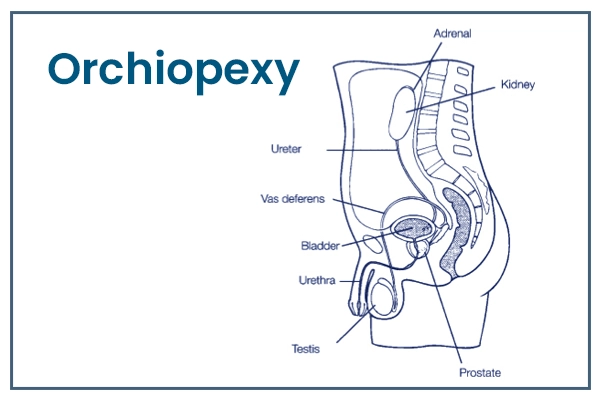
- Preparation & Anesthesia: On the day of surgery, your child will meet the surgical team for final checks. General anesthesia is administered so they remain asleep and comfortable throughout the procedure.
- Incision & Testicle Placement: The surgeon makes a small incision in the groin or lower abdomen to locate the undescended testicle. The testicle is gently mobilized and brought down into the scrotum.
- Fixing the Testicle in Place: A small pouch is created in the scrotum, and the testicle is secured to prevent movement. The incision is then carefully closed with sutures, often dissolvable for easier healing.
- Post-Surgery Care: Your child will be moved to a recovery area for observation. They are usually able to go home the same day or after an overnight stay. Mild swelling and discomfort are normal, and gentle movement is encouraged as recommended by the surgeon.
Who will do the Orchiopexy Procedure?
Orchiopexy is usually performed by a pediatric urologist or a pediatric surgeon. These doctors specialize in treating conditions of the urinary and reproductive systems in children. In some cases, a urologist may perform the surgery for older boys or adults. The procedure is done under general anaesthesia in a hospital setting to ensure safety and comfort.
Recovery After Orchiopexy Surgery Procedure
Recovering from orchiopexy is a gradual process and proper care helps ensure safe healing and the best results.
First Few Days After Surgery
- In the first couple of days, mild swelling, bruising, or discomfort in the groin area is common. This is part of the natural healing process.
- Your child may need pain medicine as prescribed, and short gentle walks around the house are encouraged to improve circulation.
- Avoid running, jumping, or rough play during this stage.
Doctor's Tip: Some swelling and soreness are normal. Stick to the pain relief schedule advised by your surgeon.
Weeks 2 to 4
- By this time, discomfort usually decreases, and mobility improves. Your child can return to school or light daily activities with your doctor's approval.
- The incision site should remain clean and dry, and follow-up appointments will check proper healing.
Doctor's Tip: Encourage light activity, but don't allow sports, cycling, or strenuous exercise until cleared by your surgeon.
Weeks 5 to 6
- Most children feel much better and can resume normal routines, though high-energy activities should still be limited.
- The surgical area continues to strengthen, and swelling should be minimal.
Doctor's Tip: Even if your child feels active again, internal healing takes time. Always wait for the surgeon's approval before full activity.
3 to 6 Months Post-Surgery
Healing is usually complete, and the testicle remains in its proper position.
By this stage, your child can return to all regular activities without restrictions, and the long-term benefits of the surgery become clear.
Benefits of Orchiopexy Surgery
Orchiopexy is a safe and effective surgery that helps correct undescended testicles. It not only improves physical health but also prevents future complications.
- Restores Normal Position of Testicle: Moves the testicle into the scrotum, supporting healthy growth and development.
- Improves Fertility Chances: Early surgery helps protect sperm production and reduces the risk of fertility problems later in life.
- Reduces Risk of Testicular Cancer: Correct placement allows for easier monitoring and lowers long-term cancer risks.
- Prevents Complications: Protects against issues like hernias, torsion (twisting), and pain linked to undescended testicles.
- Supports Emotional Well-Being: Helps boost self-confidence as the child grows, reducing concerns related to appearance or future health.
Risks of Orchiopexy Surgery
While generally safe, orchiopexy risks should be understood before surgery. Possible orchiopexy side effects may include:
- Infection
- Bleeding
- Swelling or bruising
- Scarring at the incision site
- The testicle is not staying in position
- Reduced blood supply to the testicle
- Anesthesia risks
What is the Cost of Orchiopexy in India?
The cost of Orchiopexy Surgery generally ranges between Rs. 55,000 to Rs. 70,000. In some cases, it can be as low as Rs. 35,000 or go up to Rs. 1,20,000 or more, depending on factors like the hospital, surgeon's experience, and medical needs.
 040 68334455
 WhatsApp
 Patient Portal
 Home Care