 Call
Call Patient Reports
Advanced Mini Laparotomy with Myomectomy Surgery Hospital with Expert Care
Mini laparotomy with myomectomy at Medicover Hospitals is performed using an open surgical approach by experienced gynecologists with qualifications like MS, DNB, and FMAS. This procedure helps in removing uterine fibroids effectively, often resulting in smaller incisions and reduced hospital stay.
Expert Surgeons
Yearly Surgeries
Patient Satisfaction
What is Mini Laparotomy With Myomectomy?
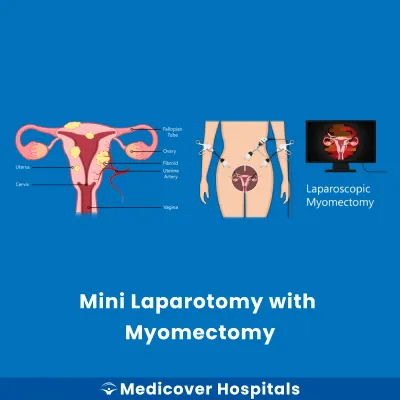
Mini laparotomy with myomectomy is a surgical procedure to remove fibroids (non-cancerous growths) from the uterus. The uterus is a vital organ in the female reproductive system. This procedure involves a small incision in the abdomen to access and remove the fibroids. It is less invasive than traditional open surgery, allowing for quicker recovery.
This surgery is needed when fibroids cause symptoms like heavy menstrual bleeding, pelvic pain, or pressure. If untreated, these symptoms can worsen and affect quality of life. Mini laparotomy with myomectomy is often chosen when fibroids are too large or numerous for other methods. Modern surgical approaches include laparoscopic and robotic-assisted techniques, which offer precision and minimal scarring.
Mini Laparotomy With Myomectomy Doctors Near You
Discover experienced gynecologists for mini laparotomy with myomectomy at Medicover Hospitals across India. Choose your city and book a consultation to discuss your treatment options today.
Why Choose Medicover Hospitals for Mini Laparotomy With Myomectomy?
Get a second opinion from trusted experts and makeconfident, informed decisions.
 Get Second Opinion
Complete Guide To Mini Laparotomy With Myomectomy
Everything you need to know about the procedure, preparation, and recovery
Mini Laparotomy with Myomectomy Surgery Indications
Doctors recommend mini laparotomy with myomectomy when uterine fibroids cause significant symptoms. This procedure is often chosen when less invasive treatments have not provided relief.
Heavy Menstrual Bleeding
Patients may experience prolonged or heavy menstrual periods. This can lead to anaemia and fatigue. When imaging shows large fibroids and medication fails to control bleeding, surgery is considered.
Pelvic Pain or Pressure
Persistent pelvic pain or a feeling of pressure in the lower abdomen can be symptoms. Physical examination and imaging may reveal fibroids pressing on pelvic organs. Surgery is recommended if pain relief is inadequate with medication.
Frequent Urination
Some patients report needing to urinate often or urgently. This occurs when fibroids press on the bladder. If lifestyle changes and medication do not alleviate symptoms, surgery may be necessary.
Infertility
Fibroids can interfere with conception or pregnancy. Patients may struggle to conceive or have recurrent miscarriages. When imaging confirms fibroids affecting fertility, and other treatments fail, surgery is advised.
Rapid Fibroid Growth
Sudden increase in fibroid size can cause concern. This is often detected through regular scans. If fibroids grow quickly and cause symptoms, surgical removal is considered.
How to Prepare for Mini Laparotomy with Myomectomy?
Preparation is crucial for a smooth mini laparotomy with myomectomy. It helps minimise complications and ensures a quicker recovery.
- Medication Review: Stop NSAIDs, anticoagulants, and herbal supplements 7-10 days before surgery.
- Fasting Instructions: Fast for at least 8 hours before the procedure due to general anaesthesia.
- Bowel Preparation: Follow any specific bowel prep instructions given by your doctor.
- Clothing: Wear loose, comfortable clothing on the day of surgery.
- Transport Arrangements: Arrange for someone to drive you home post-surgery.
- Medication List: Bring a list of your current medications with dosages to the hospital.
- Pre-surgery Tests: Complete any required blood tests or imaging studies as advised by your doctor.
- Smoking and Alcohol: Avoid smoking and alcohol for at least 24 hours before the surgery.
Mini Laparotomy with Myomectomy Surgery (Step-by-Step)
This procedure is performed by Gynecology specialists. It typically lasts 1 to 2 hours. General anaesthesia is commonly used to ensure the patient is asleep and pain-free.
- Preparation: The patient is given general anaesthesia. The surgical area is cleaned and sterilised.
- Incision: A small incision, around 4-6 cm, is made in the lower abdomen. This allows access to the uterus.
- Exposure: The uterus is gently lifted and stabilised. Instruments like retractors are used to keep the area open.
- Myomectomy: Fibroids are carefully removed using instruments such as a harmonic scalpel or bipolar cautery. The surgeon ensures minimal bleeding.
- Closure: The uterine wall is stitched back together. Absorbable sutures are often used for internal layers.
- Incision Closure: The abdominal incision is closed with sutures or staples. A sterile dressing is applied.
- Recovery: The patient is moved to a recovery room. Monitoring continues as anaesthesia wears off.
Who Performs Mini laparotomy with Myomectomy Surgery?
This surgery is performed by gynecologists who specialise in reproductive health. They are trained to handle conditions affecting the female reproductive system, including fibroid removal. Their expertise ensures the procedure is done safely and effectively.
Recovery After Mini Laparotomy with Myomectomy Surgery
Recovery from a mini laparotomy with myomectomy involves gradual healing and care. Patients can expect some discomfort and will need to follow specific guidelines to ensure a smooth recovery.
Day 1-3:
- Rest is crucial. Avoid strenuous activities.
- Pain and swelling are common. Follow prescribed medications.
- Start with a liquid diet. Include clear soups and coconut water.
Day 4-7:
- Gradually introduce soft foods like khichdi, dal-rice, and curd.
- Short walks around the house are encouraged to improve circulation.
- Avoid lifting heavy objects.
Day 8-14:
- Continue with light activities. Avoid strenuous exercises.
- Include more solid foods such as moong dal and soft vegetables.
- Monitor the incision site for any signs of infection.
Week 3-4:
- Most patients can resume work or school, depending on their comfort level.
- Gradually increase activity levels but avoid heavy lifting.
- Follow up with your doctor for a post-operative check-up.
When to Seek Urgent Help
- Fever or chills indicating a possible infection.
- Severe abdominal pain not relieved by medication.
- Excessive bleeding or discharge from the incision site.
- Difficulty in urination or bowel movements.
If you experience any of these symptoms, contact your healthcare provider immediately.
Benefits of Mini Laparotomy with Myomectomy Surgery
Mini laparotomy with myomectomy is a surgical procedure to remove uterine fibroids through a small abdominal incision. It offers several benefits for women experiencing fibroid-related symptoms.
- Reduced Recovery Time: The smaller incision typically leads to a quicker recovery compared to traditional open surgery.
- Less Pain: Patients often experience less post-operative pain due to the minimally invasive nature of the procedure.
- Preservation of Uterus: The procedure allows for the removal of fibroids while preserving the uterus, which is beneficial for women wishing to maintain fertility.
- Improved Symptoms: Many women report relief from symptoms such as heavy menstrual bleeding and pelvic pain after the surgery.
Risks and Complications of Mini Laparotomy with Myomectomy Surgery
While mini laparotomy with myomectomy is generally safe, it carries some risks and potential complications, as with any surgical procedure.
- Infection at the incision site can occur, requiring medical attention.
- Bleeding during or after the surgery may necessitate further intervention.
- Damage to surrounding organs such as the bladder or intestines is possible but uncommon.
- Formation of scar tissue (adhesions) can lead to future complications.
- Blood clots may develop, posing a risk to overall health.
Common Risks:
Rare Complications:
Cost of Mini Laparotomy with Myomectomy Surgery
The cost of Mini laparotomy with myomectomy surgery at Medicover Hospitals ranges from Rs. 99,000 to Rs. 1,64,000. The price varies depending on the ward category chosen, such as day care, general, or deluxe options. We offer transparent pricing to ensure clarity for our patients. Insurance and TPA support, including CGHS, ESI, and major TPAs, are accepted. A cashless facility is also available for added convenience. Please contact the hospital for the latest insurance panel details as these may change periodically.
Frequently Asked Questions
1. How much does Mini laparotomy with myomectomy surgery cost at Medicover Hospitals?
The cost for Mini laparotomy with myomectomy surgery at Medicover Hospitals ranges from Rs. 99,000 to Rs. 1,64,000, depending on the room type.
2. Is Mini laparotomy with myomectomy surgery covered under health insurance at Medicover?
Mini laparotomy with myomectomy may be covered by CGHS, ESI, and major TPAs. Please contact the hospital for current panel details.
3. Will I experience heavy bleeding after myomectomy?
Some women may experience heavy bleeding post-myomectomy. It's important to monitor and consult your doctor if bleeding persists.
4. Can fibroids return after a myomectomy?
There is a possibility of fibroids returning after a myomectomy. Regular follow-ups with your doctor can help in early detection.
5. Will I need bed rest after myomectomy?
Bed rest is usually recommended for a few days post-surgery. Gradual return to normal activities is advised over the following weeks.
6. Can I conceive after a myomectomy?
Many women can conceive after a myomectomy. Discuss your fertility plans with your doctor to understand any specific considerations.
7. What diet should I follow post-myomectomy?
Post-myomectomy, a light diet including curd, dal-rice, and khichdi is recommended. Avoid heavy and spicy foods for better recovery.


