What Is Laser Hair Removal?
Laser hair removal is a cosmetic surgery that uses focused laser to target and decrease unwanted hair. The laser damages the hair follicles, slowing down or preventing future hair growth. It is widely chosen due to the benefits of laser hair removal, such as smoother skin and reduced need for frequent shaving or waxing.
People often choose this treatment for areas like the face, arms, legs, underarms and bikini line, where regular shaving or waxing can be inconvenient or irritating.
It's important to note that multiple sessions are usually needed for optimal results, and the procedure works best on active hair follicles rather than dormant ones.
Types of Laser Hair Removal
Laser hair removal can be performed using different types of lasers, each designed for specific skin types and hair colors.
- Alexandrite Laser: Fast and effective, ideal for light to olive skin tones and large areas like legs or arms.
- Diode Laser: Suitable for darker skin tones, targets coarse hair while protecting the surrounding skin.
- Nd: YAG Laser: Safe for all skin types, especially darker skin, and works well for deeper hair follicles.
- Ruby Laser: One of the earliest lasers used, best for fine hair and lighter skin tones.
Choosing the right laser depends on your skin type, hair color and treatment area. A professional consultation ensures safe and effective results.
15 to 60 Minutes
Session Duration
Topical numbing cream (if required)
Anesthesia Used
Usually 6 to 8 sessions
Number of Sessions
4 to 6 weeks
Full Recovery Timeline
When is Laser Hair Removal Recommended?
Laser Hair Removal is an effective solution for managing unwanted hair and improving skin comfort and appearance. Here are the main reasons why people consider it:
- Excess or Unwanted Hair in Visible Areas: For those with unwanted hair on the face, arms, legs, underarms, or bikini line, laser hair removal offers a long-lasting solution compared to shaving, waxing, or depilatory creams.
- Sensitive or Irritated Skin from Shaving or Waxing: If regular hair removal methods cause redness, irritation, or ingrown hairs, laser treatment can reduce discomfort and improve skin smoothness.
- Desire for Time-Saving and Convenience: For individuals tired of frequent hair removal routines, laser treatments reduce hair growth significantly, saving time and effort in daily grooming.
- Hormonal or Genetic Hair Growth Issues: People experiencing excessive hair growth due to genetics or hormonal changes may benefit from laser hair removal to manage hair density and maintain a natural appearance.
Preparing for Laser Hair Removal Surgery Procedure
Proper preparation ensures a safe and effective laser hair removal treatment while reducing the risk of side effects.
Medical Evaluation & Consultation
- Discuss your medical history, skin type, medications, and any recent skin treatments with your dermatologist.
- Mention conditions like sunburn, infections, or skin sensitivities, as these may affect the timing or method of treatment.
Skin & Lifestyle Preparations
- Avoid sun exposure or tanning for at least 2 weeks before treatment, as tanned skin is more prone to burns.
- Shave the area 24 hours before your session to allow the laser to target the hair follicle effectively.
- Avoid waxing, plucking, or using depilatory creams for at least 4 weeks before the session, as these remove the hair root needed for laser treatment.
Medications & Products
- Stop using products that irritate the skin, such as retinoids or strong exfoliants, 3-5 days before the procedure.
- Inform your doctor if you are taking medications that increase light sensitivity or bleeding risk.
On the Day of Treatment
- Arrive with clean skin; avoid applying lotions, creams, deodorants, or perfumes to the treatment area.
- Wear comfortable clothing that gives easy access to the area being treated.
- Follow any specific instructions from your dermatologist for optimal safety and results.
What Happens During Laser Hair Removal Surgery?
Laser Hair Removal is a quick and effective way to reduce unwanted hair. The procedure targets hair follicles using advanced laser technology for smooth, long-lasting results. Here's what happens during a typical session.
Preparation & Skin Cleaning
On the day of the procedure, your treatment area will be cleaned and prepped. A topical numbing cream may be applied to reduce discomfort during the session. Protective eyewear is provided to shield your eyes from the laser.
Laser Treatment
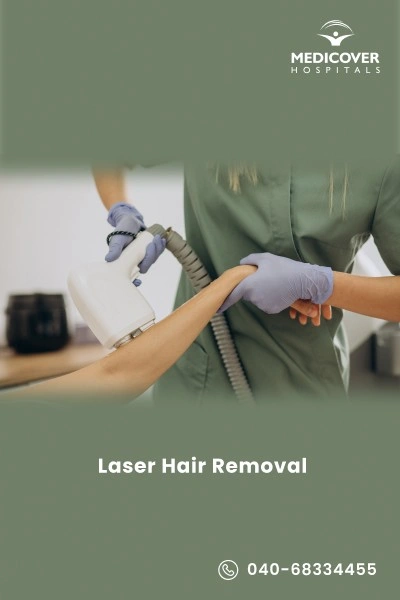
The dermatologist or technician uses a handheld laser device to target the hair follicles. The laser emits light that is absorbed by the pigment in the hair, which heats and disables the follicle to slow or prevent future hair growth.
Cooling & Comfort Measures
Most modern lasers include a cooling system to protect the skin and minimize discomfort. The technician may pause periodically to adjust settings for optimal results and comfort.
Completion & Aftercare Instructions
After the session, a soothing gel or moisturizer may be applied to calm the skin. You can usually resume normal activities immediately, but it's recommended to avoid sun exposure, heat treatments, or harsh skincare products for a few days. Multiple sessions are scheduled to treat hairs in different growth stages for the best long-term results.
Who Performs the Laser Hair Removal Procedure?
Laser hair removal is typically performed by:
- Dermatologists or cosmetic surgeons with expertise in laser treatments
- Certified laser technicians under medical supervision
- Licensed aestheticians trained in laser hair removal procedures
Always choose a qualified and experienced professional to ensure safety and effective results.
Recovery After Laser Hair Removal Procedure
Recovering from laser hair removal is usually quick, and following simple care instructions helps ensure smooth results.
- First Few Hours After Treatment: Immediately after the session, you may notice redness, mild swelling, or a warm sensation in the treated area. This is normal and usually fades within a few hours. Applying a soothing gel or cold compress can help reduce discomfort.
- Days 1 to 3: Avoid direct sun exposure and skip hot showers, saunas, or swimming pools for at least 24-48 hours. Wear loose, comfortable clothing to prevent irritation. Do not scratch or pick at the treated area.
- Weeks 1 to 4: Hair in the treated area may start to shed gradually. Continue to avoid tanning or excessive sun exposure and use gentle skincare products. Shaving is allowed, but waxing or plucking should be avoided until your next session.
- Multiple Sessions & Full Results: Laser hair removal requires several sessions spaced a few weeks apart. Full results are typically seen 4-6 weeks after the final session, with significantly reduced hair growth and smoother skin.
- Doctor's Tip: "Protecting your skin from the sun and following aftercare instructions will improve results and reduce the risk of irritation."
Lifestyle Changes After Laser Hair Removal Procedure
After undergoing laser hair removal, there are a few lifestyle changes and considerations that can help maximize the results of the treatment, maintain the smoothness of your skin, and minimize the risk of potential side effects.
- Avoid Tanning and Sunbathing: Avoid tanning beds and sunbathing to prevent skin damage. Use self-tanners if you want a tan.
- Exfoliation: Skip harsh scrubs and exfoliating treatments for at least a week after treatment to avoid irritation.
- Follow the Schedule: Stick to the recommended treatment schedule for the best results.
- Hydrate and Moisturize: Keep your skin hydrated and moisturized, especially after treatment.
- Avoid Strong Products: Avoid retinoids and AHAs unless your provider approves them.
- Medical Consultation: Consult your provider if you experience unusual side effects.
- Healthy Lifestyle: Eat well, stay hydrated, manage stress, and get enough sleep for healthy skin and hair.
- Maintenance: You may need occasional follow-up treatments for new hair growth.
Follow your provider's instructions and make healthy lifestyle choices to maximize your results and enjoy smoother skin.
Benefits of Laser Hair Removal Surgery
Laser Hair Removal offers a safe and effective way to reduce unwanted hair and maintain smooth skin. It provides long-lasting results, saves time, and improves overall skin comfort and appearance. Along with the benefits of laser hair removal, people should also be aware of possible laser hair removal side effects.
- Long-Lasting Hair Reduction: Laser hair removal targets hair follicles directly, leading to a significant and lasting reduction in hair growth over multiple sessions.
- Smooth and Clear Skin: By eliminating frequent shaving or waxing, the procedure helps prevent razor bumps, ingrown hairs, and skin irritation for smoother skin.
- Time-Saving and Convenient: Reduces the need for daily or weekly hair removal routines, saving time and effort in personal grooming.
- Precision and Safety: The laser selectively targets hair without damaging surrounding skin, making it safe for most areas of the body.
- Improved Confidence: Removes unwanted hair in visible or sensitive areas, giving a cleaner, more polished appearance and boosting self-confidence.
- Possible Risks: Some temporary side effects of laser hair removal on the face or other areas may include redness, mild irritation, or slight swelling, which usually fade within a short time.
Laser Hair Removal Side Effects
While generally safe, laser hair removal may cause some side effects, including:
- Temporary redness, swelling, or discomfort
- Skin irritation or mild burns
- Changes in skin color (hyperpigmentation or hypopigmentation)
- Blistering or crusting (rare)
- Scarring (very rare with proper care)
- Eye injury if proper eye protection isn't used
Choosing a certified and experienced provider can significantly reduce the risk of complications.
How much does laser hair removal cost monthly?
Laser Hair Removal cost in India may vary depending on the treatment area and the number of sessions required. On average, the cost ranges from Rs. 1,500 to Rs. 25,000 per session. Medicover Hospitals are known for providing safe procedures, advanced technology, and experienced professionals.
 040 68334455
 WhatsApp
 Patient Portal
 Home Care