What Is Ectopic Pregnancy?
An ectopic pregnancy occurs when a fertilized egg implants outside the uterus, most commonly in one of the fallopian tubes. This is not a viable pregnancy and cannot develop into a baby. As the embryo grows, it can cause the tube to stretch and eventually rupture, leading to severe internal bleeding, a life-threatening emergency.
Symptoms may include pelvic pain, vaginal bleeding, shoulder pain, dizziness, or fainting. If not treated early, an ectopic pregnancy can cause serious complications. Early diagnosis through ultrasound and blood tests (measuring hCG levels) is critical.
What Is Laparoscopic Ectopic Resection?
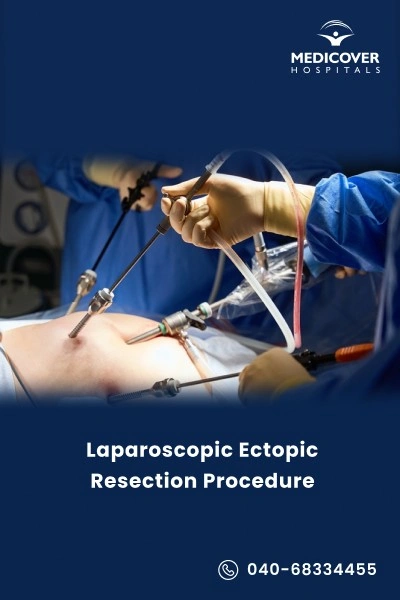
Laparoscopic ectopic resection is a minimally invasive surgical procedure used to remove an ectopic pregnancy, most often located in the fallopian tube. It is performed using small incisions, a tiny camera (laparoscope), and specialized surgical tools. Compared to open surgery, it offers less pain, faster recovery, and minimal scarring.
This procedure is a crucial treatment when the ectopic pregnancy is too large, hCG levels are rising, or there are signs of rupture or internal bleeding. It allows surgeons to remove the pregnancy while preserving the fallopian tube if possible or removing the tube if necessary.
Because ectopic pregnancy cannot continue safely, prompt treatment is essential to protect your health and future fertility.
30 to 60 Minutes
Surgery Duration
General Anesthesia
Anesthesia Used
Outpatient or 1 day
Hospital Stay
2-4 Weeks
Full Recovery Timeline
What Are the Indications for Laparoscopic Ectopic Resection?
Laparoscopic Ectopic Resection is a surgical procedure used to remove an ectopic pregnancy, a potentially life-threatening condition where a fertilized egg implants outside the uterus, most commonly in the fallopian tube. This procedure is considered when early intervention is necessary to preserve health and, whenever possible, fertility.
What Conditions Does Laparoscopic Ectopic Resection Treat?
- Confirmed Ectopic Pregnancy: When a medical evaluation, including ultrasound and blood tests (usually measuring beta-hCG levels), confirms the presence of an ectopic pregnancy.
- Ectopic Pregnancy with Symptoms: If an individual experiences symptoms of a ruptured ectopic pregnancy, such as abdominal pain, vaginal bleeding, and signs of shock (low blood pressure and rapid heart rate), prompt surgical intervention is necessary.
- Unstable or Rapidly Growing Ectopic Pregnancy: In cases where the ectopic pregnancy is growing rapidly or causing severe symptoms, surgical removal is often the preferred treatment.
- Failed Medical Treatment: If medical treatment with methotrexate (a medication used to treat certain types of ectopic pregnancies) is ineffective or contraindicated, laparoscopic resection may be necessary.
- Future Fertility Considerations: Laparoscopic Ectopic Resection is especially important for individuals who wish to preserve their fertility. The procedure aims to remove the ectopic pregnancy while minimizing damage to the healthy portion of the fallopian tube, whenever possible, to enhance the chances of future conception.
- Ectopic Pregnancy with Hemodynamic Instability: If the patient's condition is unstable due to severe internal bleeding or other complications caused by the ectopic pregnancy, emergency laparoscopic resection may be required to save the person's life.
It's essential to note that the decision to perform Laparoscopic Ectopic Resection is based on a thorough evaluation by a medical team, considering the specific circumstances of the ectopic pregnancy, the patient's overall health, and other relevant factors.
Rapid diagnosis and appropriate intervention are crucial to prevent serious complications associated with ectopic pregnancies, such as internal bleeding and organ damage.
When Would a Doctor Recommend Laparoscopic Ectopic Resection?
Doctors recommend laparoscopic ectopic resection when:
- There is a confirmed ectopic pregnancy causing symptoms.
- Rapid intervention is necessary to prevent rupture or severe internal bleeding.
- Medical therapy has failed or is contraindicated.
- Preservation of fertility is a priority.
- The patient's condition is unstable and requires emergency surgery.
Why Is Laparoscopic Ectopic Resection Done?
The primary goals of laparoscopic ectopic resection are:
- Remove the ectopic pregnancy safely to prevent rupture and internal bleeding.
- Preserve fertility by protecting the healthy part of the fallopian tube whenever possible.
- Minimize surgical trauma and recovery time through a minimally invasive approach.
- Prevent serious complications, including organ damage or life-threatening hemorrhage.
How Should I Prepare Before a Laparoscopic Ectopic Resection Procedure?
Start by having an open conversation with your gynecologist or gynecologic surgeon. They will review your diagnosis, explain the procedure, and answer any questions about what to expect.
Because this surgery is performed under general anesthesia, you will need someone to drive you to the hospital and stay with you afterward. You cannot drive or make medical decisions for at least 24 hours after anesthesia.
Wear comfortable clothing on the day of surgery and leave jewelry, watches, and valuables at home. Bring your photo ID, insurance card, and a list of all medications you take, including dosages.
If you have children or dependents, arrange for help at home during the first few days of recovery. You may also need support with meals, chores, or childcare.
Stay in close contact with your care team. If your condition changes such as worsening pain or dizziness let them know right away. In some cases, surgery may need to be moved up.
What Tests Are Done Before a Laparoscopic Ectopic Resection?
Before the procedure, your healthcare provider will conduct a thorough evaluation, which may include:
- Ultrasound Imaging: To confirm the ectopic pregnancy and locate its position.
- Blood Tests: Including beta-hCG levels to assess pregnancy status and other routine labs to evaluate overall health.
- Other Diagnostic Assessments: Depending on your medical history, your doctor may order additional tests to ensure you are fit for surgery.
Should I Stop Eating, Drinking, or Taking Medicines Before a Laparoscopic Ectopic Resection?
Yes, because you will receive general anesthesia, it's important to follow fasting guidelines.
- Do not eat solid food for at least 8 hours before surgery.
- Stop drinking clear liquids (water, black coffee, clear broth) 6 hours before your procedure.
- Avoid red or purple drinks, as they can look like blood if vomiting occurs.
For medications:
- Take most regular medicines with a small sip of water on the morning of surgery, unless told otherwise.
- Avoid aspirin, ibuprofen, and other NSAIDs for several days before surgery unless approved they can increase bleeding risk.
- Do not take blood thinners like warfarin, clopidogrel, or apixaban unless your provider says it's safe.
- If you have diabetes, ask how to adjust insulin or oral medications.
Always follow your provider's exact instructions. Never stop a medication without talking to your doctor first.
Steps Involved in Laparoscopic Ectopic Resection Procedure
During a Laparoscopic Ectopic Resection procedure, the medical team aims to safely remove the ectopic pregnancy while preserving the affected person's reproductive organs to the extent possible. Here's an overview of the steps typically involved in this procedure:
- Anesthesia: The surgery is performed under general anesthesia, ensuring the patient's comfort and unconsciousness.
- Small Incisions: The surgeon creates small incisions, typically 3 to 4, in the abdomen. These serve as entry points for the laparoscope and surgical instruments and are half an inch to an inch in size.
- Laparoscope Insertion: A laparoscope is used to view internal abdominal structures and locate ectopic pregnancy. It is a flexible tube with a camera and light at the tip that is inserted through an incision.
- Surgical Instruments: Additional specialized instruments, such as graspers, scissors, and cautery devices, are inserted through the other incisions. These instruments are used to manipulate tissues, dissect, and remove the ectopic pregnancy.
- Ectopic Pregnancy Removal: The surgeon carefully identifies and removes the ectopic pregnancy. In cases of tubal ectopic pregnancies, the affected portion of the fallopian tube is typically removed. Efforts are made to preserve the healthy part of the tube to optimize future fertility.
- Hemostasis: The surgeon ensures that any bleeding is controlled and the surgical area is well-sealed to prevent complications. This step is particularly important to avoid internal bleeding.
- Closure: Once the ectopic pregnancy has been removed, the surgical instruments are withdrawn, and the small incisions are closed with sutures, staples, or adhesive strips. The incisions are typically so small that they may not require stitches.
- Recovery: After the procedure, the patient is carefully monitored in a recovery area to ensure that they are waking up comfortably from anaesthesia. Most individuals can go home on the same day as the surgery.
Who Performs the Laparoscopic Ectopic Resection Procedure?
Laparoscopic Ectopic Resection is a surgical procedure typically performed by gynecologists, specifically those with expertise in minimally invasive surgery. Gynecologic surgeons who specialize in laparoscopy or minimally invasive techniques are well-trained to perform this procedure. These specialists have the knowledge and skills to safely remove ectopic pregnancies while preserving the patient's reproductive organs to the extent possible.
What Should I Expect Immediately After a Laparoscopic Ectopic Resection Procedure?
Recovery after a Laparoscopic Ectopic Resection is generally faster and less challenging than traditional open surgery. Most individuals experience manageable discomfort, minimal scarring, and a quicker return to daily activities.
Immediately after the procedure:
- Hospital Stay: Many patients go home the same day, though some may require a short hospital stay for monitoring.
- Pain Management: Mild to moderate pain is common and can be controlled with prescribed medications or over-the-counter pain relievers.
- Rest: Rest is crucial in the first few days. Avoid strenuous activities and heavy lifting.
- Incision Care: Keep the incision clean and dry, following your healthcare provider's instructions to minimize infection risk.
When Can I Return to Normal Activities After Laparoscopic Ectopic Resection?
- Most people can gradually resume normal daily activities within 1-2 weeks, depending on individual recovery.
- Avoid driving, lifting heavy objects, or vigorous exercise until your healthcare provider gives clearance.
- Attend all scheduled follow-up appointments to ensure proper healing.
- Discuss any future fertility plans with your provider before resuming sexual activity or conception attempts.
Are Lifestyle Changes Required After Laparoscopic Ectopic Resection?
Certain lifestyle changes can help support recovery, enhance overall health, and preserve future fertility:
- Follow Medical Advice: Adhere to instructions regarding wound care, medications, and activity restrictions.
- Rest and Recovery: Allow your body ample time to heal. Avoid strenuous activity in the initial weeks.
- Healthy Diet: Focus on a nutrient-rich diet, including fruits, vegetables, lean protein, whole grains, and healthy fats.
- Hydration: Drink plenty of water to support the body's healing processes.
- Pain Management: Use medications as directed by your healthcare provider.
- Avoid Smoking: Smoking can slow healing and impact overall health.
- Emotional Support: Seek help from loved ones, support groups, or mental health professionals to manage the emotional impact of ectopic pregnancy and surgery.
- Future Fertility: Discuss safe timing for conception with your provider if planning pregnancy.
- Birth Control: Consider contraception if you are not planning a pregnancy immediately.
- Listen to Your Body: Monitor for unusual symptoms, pain, or discomfort, and contact your provider if needed.
- Maintain a Healthy Weight: Work with your healthcare provider on a weight management plan to improve overall health and fertility outcomes.
What Are the Benefits of Laparoscopic Ectopic Resection?
Laparoscopic Ectopic Resection offers a minimally invasive solution for ectopic pregnancy, helping to:
- Remove the ectopic pregnancy safely and effectively
- Reduce recovery time compared to open surgery
- Minimize scarring and postoperative pain
- Preserve fertility whenever possible by protecting healthy reproductive structures
What Are the Risks and Complications of Laparoscopic Ectopic Resection?
While generally safe, this procedure carries some potential risks and complications, including:
- Bleeding during or after surgery
- Infection at the incision sites or internally
- Damage to nearby organs such as the bowel, bladder, or blood vessels
- Adverse reactions to anesthesia
- Pelvic pain or discomfort after surgery
- Scar tissue (adhesions) that may develop over time
- Fertility concerns, particularly if the affected fallopian tube is removed
Doctors take careful measures to minimize these risks, including sterile techniques, precise surgical planning, and close postoperative monitoring. Following your surgeon's instructions is essential for a safe recovery.
What Are the Side Effects After Ectopic Pregnancy Surgery?
Some individuals may experience side effects after ectopic pregnancy surgery, such as:
- Mild to moderate abdominal or pelvic pain
- Spotting or light bleeding for a few days
- Fatigue or tiredness as the body heals
- Emotional and psychological impacts related to pregnancy loss
Most side effects are temporary and manageable, but any severe pain, heavy bleeding, fever, or unusual symptoms should be reported to your healthcare provider immediately.
How Much Does Lap Ectopic Surgery Cost?
The cost of laparoscopic ectopic pregnancy surgery in India varies depending on the procedure type, hospital, and city.
- Laparoscopic Salpingectomy (removal of fallopian tube): Rs. 45,000 - Rs. 90,000
- Laparoscopic Salpingostomy (removal of ectopic pregnancy, tube preserved): Rs. 50,000 - Rs. 95,000
- Open Surgery (Laparotomy): Rs. 60,000 - Rs. 1,20,000
Factors affecting Lap Ectopic Surgery cost:
- Type of procedure (laparoscopic is usually less expensive than open surgery)
- Hospital reputation and location
- Surgeon's experience
- Additional costs for diagnostics, medications, and post-operative care
Insurance may help reduce out-of-pocket expenses.
 040 68334455
 WhatsApp
 Patient Portal
 Home Care