 Call
Call Patient Reports
Intravascular Lithotripsy Procedure by Expert Cardiologists
Intravascular Lithotripsy at Medicover Hospitals is performed using a minimally invasive approach by skilled cardiologists with DM and DNB qualifications. This procedure effectively treats calcified coronary artery disease, leading to shorter hospital stays and reduced recovery times for patients across India.
Expert Specialists
Yearly Treatments
Patient Satisfaction
What is Intravascular Lithotripsy?
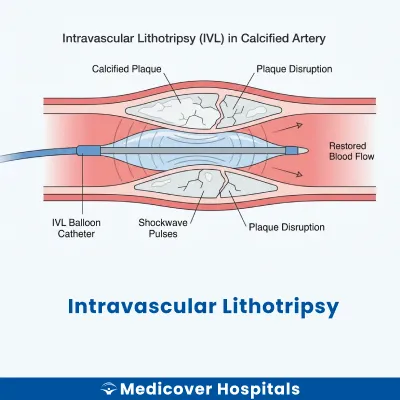
Intravascular Lithotripsy procedure is a medical process used to treat calcified plaques in the arteries. These plaques can harden and narrow the arteries, affecting blood flow. The procedure involves using sound waves to break down these calcifications, making it easier to restore normal blood flow. It primarily targets the coronary arteries, which supply blood to the heart.
This procedure is needed when calcified plaques cause significant artery blockage. Such blockages can lead to chest pain angina or even heart attacks. If left untreated, the condition can worsen, increasing the risk of severe cardiovascular events. Modern surgical approaches for Intravascular Lithotripsy include percutaneous coronary intervention (PCI) and balloon angioplasty, which help in effectively managing the condition.
Intravascular Lithotripsy Doctors Near You
Discover skilled cardiologists for intravascular lithotripsy at Medicover Hospitals across India. Choose your city and book a consultation to address your heart health needs effectively.
Why Choose Medicover Hospitals for Intravascular Lithotripsy?
Get a second opinion from trusted experts and makeconfident, informed decisions.
 Get Second Opinion
Complete Guide To Intravascular Lithotripsy
Everything you need to know about the procedure, preparation, and recovery
Intravascular Lithotripsy Procedure Indications
Doctors recommend intravascular lithotripsy when patients have calcified coronary artery disease that is resistant to other treatments. This procedure helps in breaking down calcium deposits in the arteries, improving blood flow and reducing symptoms.
Severe Chest Pain (Angina)
Patients experience persistent chest pain, especially during physical activity. Diagnostic tests like angiography reveal significant calcification in the coronary arteries. When medications and lifestyle changes fail to relieve symptoms, intravascular lithotripsy is considered.
Shortness of Breath
Patients report difficulty breathing, particularly during exertion. Imaging studies show calcified blockages in the coronary arteries. If symptoms persist despite medication, intravascular lithotripsy may be recommended.
Failed Angioplasty
Some patients experience recurrent symptoms after a previous coronary intervention. Follow-up angiograms show heavily calcified lesions that were not adequately treated. Intravascular lithotripsy can address these resistant calcifications.
Severe Coronary Artery Calcification
Patients may not always have symptoms, but imaging reveals severe calcification in the coronary arteries. When these findings suggest a high risk of future cardiac events, lithotripsy is an option.
High-Risk Patients for Surgery
Some patients are not suitable for open-heart surgery due to other health conditions. When non-invasive treatments fail, intravascular lithotripsy offers a less invasive alternative to manage calcified blockages.
How to Prepare for Intravascular Lithotripsy?
Proper preparation for intravascular lithotripsy is crucial to ensure a smooth procedure and recovery. It helps minimise risks and improves outcomes.
- Medication Review: Inform your doctor about all medications you take, including over-the-counter drugs.
- Stop Certain Medications: Discontinue NSAIDs, anticoagulants, and herbal supplements as advised by your doctor to reduce bleeding risk.
- Fasting Instructions: Fast for at least 6-8 hours before the procedure if general anaesthesia is used.
- Clothing: Wear loose, comfortable clothing on the day of the procedure for easy access and comfort.
- Transportation: Arrange for someone to drive you home post-procedure, as you may feel drowsy from anaesthesia.
- Medication List: Bring a list of your current medications, including dosages, for the medical team to review.
- Hydration: Stay well-hydrated in the days leading up to the procedure unless instructed otherwise.
- Pre-Procedure Tests: Complete any required blood tests or imaging studies as scheduled by your healthcare provider.
Intravascular Lithotripsy procedure (Step-by-Step)
Overview: Intravascular Lithotripsy is performed by cardiologists. The procedure typically lasts between 30 to 60 minutes. It is usually done under local anaesthesia.
- Preparation: The patient is positioned comfortably. Local anaesthesia is administered to numb the area. A small incision, about 1-2 cm, is made to access the artery.
- Catheter Insertion: A catheter with a balloon and lithotripsy emitters is inserted through the incision. The patient may feel slight pressure as the catheter is guided to the blockage.
- Balloon Inflation: Once in place, the balloon is inflated. This may cause a feeling of pressure or mild discomfort. The balloon positions the lithotripsy emitters against the calcified plaque.
- Shockwave Emission: The lithotripsy emitters deliver controlled shockwaves. These break down the calcified plaque into smaller pieces. The patient may hear a clicking sound but should not feel pain.
- Deflation and Removal: The balloon is deflated and the catheter is carefully removed. The patient may feel relief as the pressure subsides.
- Closure: The incision site is closed with sutures or adhesive strips. A bandage is applied. The patient is monitored for a short time before discharge.
Who Performs Intravascular Lithotripsy procedure?
Intravascular Lithotripsy is performed by interventional cardiologists. These specialists are trained in minimally invasive procedures to treat heart and vascular conditions. They use advanced techniques to ensure effective treatment of calcified arterial blockages.
Recovery After Intravascular Lithotripsy procedure
Recovery from an Intravascular Lithotripsy procedure is typically smooth, with most patients resuming normal activities within a few days. It's important to follow your doctor's advice and take necessary precautions to ensure a quick recovery.
Day 1-2:
- Rest is crucial. Avoid strenuous activities.
- Stick to light meals. Opt for easily digestible foods like curd, dal-rice, and soups.
- Keep the incision site clean and dry.
Day 3-5:
- Gradually increase light activities, such as walking.
- Continue with a soft diet. Include khichdi and moong dal for nutrition.
- Monitor for any unusual symptoms at the incision site.
Day 6-7:
- You may begin to resume normal activities, but avoid heavy lifting.
- Maintain a balanced diet with plenty of fluids.
- Consult your doctor before returning to work or school.
Phase 2 (Week 2 and beyond):
- Most patients can return to work or school.
- Engage in regular activities but avoid intense physical exertion.
- Continue with a healthy diet to support recovery.
When to Seek Urgent Help:
- Severe chest pain or discomfort.
- Excessive bleeding or swelling at the incision site.
- Persistent fever or chills.
- Shortness of breath or dizziness.
If you experience any of these symptoms, contact your healthcare provider immediately.
Benefits of Intravascular Lithotripsy procedure
Intravascular Lithotripsy is a modern technique used to treat calcified coronary artery disease. It offers several advantages over traditional methods.
- Minimally Invasive: This procedure involves minimal incisions, reducing recovery time.
- Precision: Targets calcified plaques effectively, improving blood flow.
- Reduced Trauma: Causes less damage to the artery walls compared to other methods.
- Improved Outcomes: Enhances the success rate of stent placement.
- Quick Recovery: Patients often experience faster recovery and return to daily activities.
Risks and Complications of Intravascular Lithotripsy procedure
While Intravascular Lithotripsy is generally safe, it carries some risks and potential complications.
Common Risks
- Bruising or bleeding at the catheter insertion site.
- Temporary discomfort or pain during the procedure.
Rare Risks
- Artery dissection, which may require additional intervention.
- Vascular spasm, leading to temporary reduced blood flow.
- Allergic reaction to contrast dye used during the procedure.
- Infection at the catheter insertion site.
- Kidney damage due to contrast dye, especially in patients with pre-existing kidney issues.
Cost of Intravascular Lithotripsy procedure
The cost of the Intravascular Lithotripsy procedure at Medicover Hospitals ranges from ₹1,00,000 and ₹3,00,000, The price varies based on the ward category chosen, such as outpatient, day care, general, and more. We offer transparent pricing to ensure clarity for our patients.
Insurance and TPA support, including CGHS, ESI, and major TPAs, are accepted. A cashless facility is also available for added convenience. Please contact the hospital for the latest insurance panel details as these may change periodically.
Frequently Asked Questions
1. How much does Intravascular Lithotripsy cost?
The cost of Intravascular Lithotripsy at Medicover Hospitals ranges from ₹1,00,000 and ₹3,00,000, depending on the facility and room type.
2. Is Intravascular Lithotripsy covered by insurance?
Intravascular Lithotripsy may be covered by CGHS, ESI, and major TPAs for cashless treatment. Please contact the hospital for current panel details.
3. Can I drive after Intravascular Lithotripsy?
You should avoid driving for at least 24 hours after the procedure. It's important to allow your body time to recover fully.
4. Will I feel chest pain after the procedure?
Some patients may experience mild chest discomfort post-procedure. This usually subsides within a few days as your body heals.
5. Can I resume gym workouts after Lithotripsy?
You should avoid strenuous activities, including gym workouts, for at least one week. Consult your doctor for a tailored recovery plan.
6. Is there a risk of artery damage?
Intravascular Lithotripsy is designed to minimise artery damage. However, there's a small risk of complications, which your doctor will discuss with you.
7. Can I eat spicy food after the procedure?
It's best to avoid spicy food for a few days post-procedure. Opt for lighter meals like curd, dal-rice, or khichdi to aid recovery.


