 Call
Call Patient Reports
Image Guided Radiation Therapy Procedure by Expert Oncologists
Image Guided Radiation Therapy (IGRT) at Medicover Hospitals uses advanced techniques to precisely target tumours. Our team, with qualifications like MS, DNB, and DM, ensures accurate treatment. This approach often results in reduced side effects and improved outcomes for patients across India.
Expert Specialists
Yearly Treatments
Patient Satisfaction
What is Image Guided Radiation Therapy?
Image Guided Radiation Therapy (IGRT) is a technique used in cancer treatment. It involves imaging technology to precisely target radiation beams at the tumour. This is particularly useful for organs like the prostate, lungs, and brain. The imaging helps in adjusting the patient's position and the radiation dose, ensuring that the tumour receives the maximum impact while sparing healthy tissues.
IGRT is essential for treating cancers where precision is crucial. Conditions like prostate cancer, lung cancer, and brain tumours often require this approach. Without treatment, these cancers can progress, leading to severe health complications. Modern surgical approaches for IGRT include techniques like 3D conformal radiation therapy and intensity-modulated radiation therapy (IMRT). These methods enhance accuracy and effectiveness in targeting tumours.
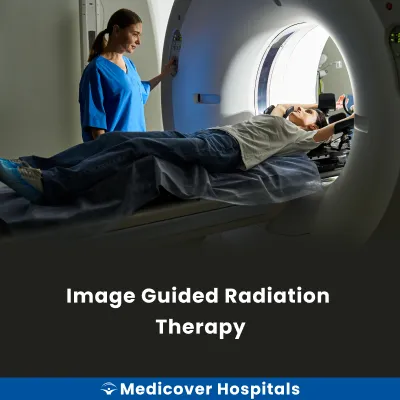
Image Guided Radiation Therapy Doctors Near You
Discover skilled oncologists offering Image Guided Radiation Therapy at Medicover Hospitals across India. Choose your city and book a consultation to explore treatment options tailored to your needs.
Why Choose Medicover Hospitals for Image Guided Radiation Therapy?
Get a second opinion from trusted experts and makeconfident, informed decisions.
 Get Second Opinion
Complete Guide To Image Guided Radiation Therapy
Everything you need to know about the procedure, preparation, and recovery
Image Guided Radiation Therapy procedure Indications
Oncologists recommend Image Guided Radiation Therapy (IGRT) when precise targeting of cancerous tissues is necessary. It is often chosen when tumours are located near critical organs or when previous treatments have not been successful.
Prostate Cancer
Patients may experience urinary difficulties or pelvic pain. Imaging tests show a tumour in the prostate gland. IGRT is recommended when hormone therapy or surgery is not effective.
Lung Cancer
Symptoms include persistent cough, chest pain, or difficulty breathing. Scans reveal a tumour in the lung area. IGRT is suggested when chemotherapy procedure or other radiation methods do not yield results.
Head and Neck Tumours
Patients may have difficulty swallowing or experience facial pain. Diagnostic imaging shows tumours near sensitive structures. IGRT is used when surgery poses significant risks.
Brain Tumours
Symptoms include headaches, seizures, or vision problems. MRI or CT scans detect a tumour in the brain. IGRT is chosen when surgical removal is not feasible.
Breast Cancer
Signs include a lump or changes in breast shape. Mammograms or biopsies confirm cancer. IGRT is considered when surgery or standard radiation does not fully address the tumour.
How to Prepare for Image Guided Radiation Therapy?
Proper preparation for Image Guided Radiation Therapy (IGRT) ensures the procedure's effectiveness and safety. It helps in minimizing side effects and improving treatment accuracy.
- Medication Management: Stop NSAIDs, anticoagulants, and herbal supplements as advised by your doctor.
- Fasting Guidelines: If anaesthesia is required, fast for at least 6 hours before the procedure.
- Clothing Choice: Wear loose, comfortable clothing to the hospital for easy access and comfort.
- Transport Arrangement: Arrange for someone to drive you home post-procedure, as you may feel fatigued.
- Medication List: Bring a list of your current medications, including dosages, for the medical team.
- Hydration: Stay well-hydrated before the procedure unless instructed otherwise.
- Procedure-Specific Prep: Follow any specific instructions given, such as bowel preparation if required.
- Communication: Discuss any allergies or medical conditions with your healthcare provider beforehand.
Image Guided Radiation Therapy procedure (Step-by-Step)
Overview: Image Guided Radiation Therapy (IGRT) is performed by oncology specialists. The procedure typically lasts 30-60 minutes and does not require anaesthesia.
- Preparation: The patient is positioned on the treatment table. Immobilisation devices may be used to keep the body still.
- Imaging: Advanced imaging techniques, such as CT or MRI, are used to capture detailed images of the tumour. This helps in precise targeting.
- Planning: Oncologists use imaging data to adjust the radiation beams. This ensures accurate delivery to the tumour while sparing healthy tissue.
- Radiation Delivery: The linear accelerator delivers radiation beams to the tumour. The patient must remain still during this stage.
- Monitoring: Real-time imaging monitors the tumour and adjusts the beams if necessary. This step ensures precision in targeting.
- Completion: Once the session is complete, the patient can leave the treatment room. No recovery time is needed.
- Follow-up: Regular follow-up sessions are scheduled to monitor the treatment's effectiveness and make necessary adjustments.
Who Performs Image Guided Radiation Therapy procedure?
IGRT is performed by radiation oncologists. They specialise in using radiation to treat cancer. These specialists are trained to operate complex imaging and radiation delivery systems. They work closely with medical physicists and radiologists to ensure accurate treatment.
Recovery After Image Guided Radiation Therapy Procedure
Recovery from Image Guided Radiation Therapy (IGRT) varies for each person. Most patients experience mild side effects that gradually improve. It's important to follow your doctor's advice and attend follow-up appointments.
Day 1-3:
- Rest is crucial. Avoid strenuous activities.
- Stick to a light diet. Include curd, dal-rice, and soups to ease digestion.
- Stay hydrated. Drink plenty of water and herbal teas.
Day 4-7:
- Gradually increase light activities like walking.
- Continue with a balanced diet. Add moong dal and khichdi for nutrition.
- Monitor for any unusual symptoms and report them to your doctor.
Week 2-4:
- Most patients can resume work or school, depending on how they feel.
- Maintain a nutritious diet with plenty of fruits and vegetables.
- Engage in gentle exercises like yoga or stretching.
Phase 2 (Month 1-3):
- Energy levels should improve. Gradually return to normal activities.
- Continue regular follow-ups with your healthcare provider.
- Focus on a balanced diet to support recovery.
When to Seek Urgent Help:
- Severe fatigue or weakness.
- Unexplained weight loss.
- Persistent or worsening pain.
- Signs of infection, such as fever or chills.
- Any new or unusual symptoms.
Benefits of Image Guided Radiation Therapy procedure
Image Guided Radiation Therapy (IGRT) enhances the precision of radiation treatment by using imaging techniques.
- Improved Accuracy: IGRT allows for precise targeting of tumours, reducing radiation exposure to healthy tissues.
- Adaptive Treatment: Adjustments can be made in real-time to accommodate changes in tumour size or position.
- Enhanced Outcomes: By focusing on the tumour, IGRT may improve treatment effectiveness and outcomes.
- Reduced Side Effects: Minimising radiation to surrounding tissues can decrease potential side effects.
Risks and Complications of Image Guided Radiation Therapy procedure
While IGRT is generally safe, it carries some risks and potential complications.
- Common: Skin irritation or changes in the treated area.
- Common: Fatigue during or after treatment sessions.
- Rare: Damage to nearby organs or tissues due to radiation exposure.
- Rare: Development of secondary cancers years after treatment.
- Rare: Allergic reactions to contrast agents used in imaging.
Cost of Image Guided Radiation Therapy procedure
The cost of Image Guided Radiation Therapy (IGRT) at Medicover Hospitals ranges from 1,80,000 to ₹5,00,000. This variation depends on the ward category chosen, such as outpatient, day care, or suite options. Our pricing is transparent, and we offer insurance and TPA support, including CGHS, ESI, and major TPAs. Cashless facilities are available for your convenience. Please contact the hospital for the latest insurance panel details as these may change periodically.
Frequently Asked Questions
1. How much does Image Guided Radiation Therapy cost?
The cost of Image Guided Radiation Therapy at Medicover Hospitals ranges from Rs. 1,80,000 to Rs. 5,00,000 depending on the facility.
2. Is Image Guided Radiation Therapy covered by insurance?
Image Guided Radiation Therapy is often covered by CGHS, ESI, and major TPAs, including cashless options. Please contact the hospital for current panel details.
3. Can Image Guided Radiation Therapy affect my skin?
Yes, skin irritation or redness can occur around the treated area. It is usually temporary and subsides after the treatment ends.
4. Will I feel tired after Image Guided Radiation Therapy?
Fatigue is a common side effect during Image Guided Radiation Therapy. Rest and a balanced diet, including dal-rice and fruits, can help manage it.
5. Can I continue working during Image Guided Radiation Therapy?
Many patients continue working during treatment, but fatigue may require adjustments. Discuss your schedule with your doctor for personalized advice.
6. Will Image Guided Radiation Therapy affect my appetite?
Some patients experience changes in appetite during treatment. Eating small, frequent meals like khichdi and curd can help maintain nutrition.
7. Is hair loss a side effect of Image Guided Radiation Therapy?
Hair loss may occur only in the area being treated. It is usually temporary and hair regrowth often begins after the treatment concludes.


