 Call
Call Patient Reports
Best Hospital for Hypospadias Surgery with Advanced Pediatric Urology Care
At Medicover Hospitals, we provide expert hypospadias surgery performed by experienced pediatric urologists and urology specialists. This procedure corrects the position of the urethral opening and improves normal urinary function. Using advanced surgical techniques and modern operation theatres, we ensure safe treatment, minimal complications, and faster recovery. Our team delivers personalized care for the best outcomes in children.
Expert Surgeons
Successful Surgeries
Success Rate
What is Hypospadias?
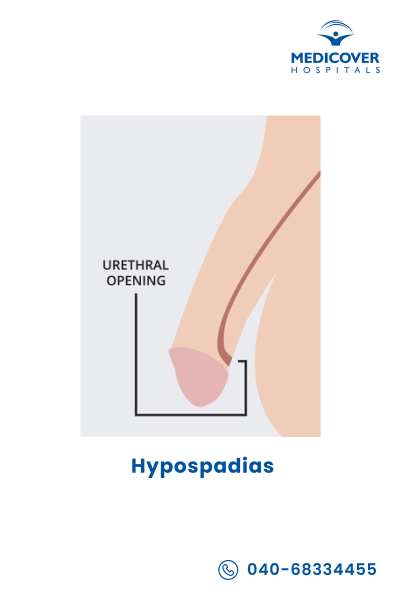
Hypospadias repair is a surgery performed in children to correct a birth defect where the opening of the urethra (the tube that carries urine) is located on the underside of the penis instead of at the tip. The goal is to reposition the opening for proper urination and appearance.
During surgery, a new urethral opening is created at the correct location, sometimes using tissue grafts. The child receives general anesthesia. Depending on the hypospadias severity, various surgical techniques are employed.
After surgery, specific care instructions ensure proper healing and minimize complications. Regular follow-up appointments monitor progress and assess the procedure's success. Hypospadias repair aims to improve the child's physical and psychological well-being, allowing normal development, urination, and appearance.
Types of Hypospadias Surgery
The choice of surgical technique depends on the position of the urethral opening and severity of the condition:
- Distal (Anterior) Hypospadias Repair
- Midshaft (Middle) Hypospadias Repair
- Proximal (Posterior) Hypospadias Repair
- One-Stage Repair
- Two-Stage Repair
Best Hypospadias Surgeon Doctors Near me
Find trusted hypospadias surgery specialists at Medicover Hospitals across India in multiple locations. Choose your city to connect with the best pediatric urologists and surgeons for advanced treatment, high success rates, and complete patient support.
Why Choose Medicover Hospitals for Hypospadias
Get a second opinion from trusted experts and makeconfident, informed decisions.
 Get Second Opinion
Complete Guide to Hypospadias
Everything you need to know about the hypospadias procedure, preparation, and recovery
Indications for Hypospadias Repair Surgery
Hypospadias repair is recommended when the condition affects urinary function, appearance, or long-term health. At Medicover Hospitals, treatment is planned by experienced Pediatricans based on the severity and child's development.
When is Hypospadias Surgery Needed?
- Abnormal Urethral Opening: The urethral opening is located on the underside of the penis instead of the tip
- Urinary Dysfunction: Difficulty directing urine, spraying, or dribbling stream
- Cosmetic & Psychological Concerns: Abnormal appearance may affect confidence as the child grows
- Preventing Long-Term Complications: Helps avoid future issues with urination, sexual function, and fertility
- Age Consideration: Surgery is usually recommended between 6 to 18 months for best outcomes
- Parental Decision: Parents may opt for early correction to ensure normal function and appearance
Who Needs Hypospadias Surgery?
Hypospadias surgery is advised for children or individuals with functional or structural concerns.
Common Signs & Symptoms
- Downward curvature of the penis (chordee)
- Difficulty controlling or directing urine flow
- Abnormal foreskin (hooded appearance)
- Urethral opening located below the tip
Ideal Candidates
- Infants diagnosed with hypospadias at birth
- Children with moderate to severe hypospadias
- Older children or adults with untreated or previously corrected hypospadias needing revision
How to Prepare for Hypospadias Procedure?
Pediatric urologists assess hypospadias severity and determine the appropriate surgery timing. Individualized treatment plans consider factors like the child's age, health, and potential impact on their physical and psychological well-being. Here's what to expect:
- Consultation with a Pediatric Urologist: Discuss the procedure, its necessity, and potential risks. Address any questions or concerns you have.
- Medical Evaluation: The urologist will assess the child's overall health and medical history. Follow instructions for any preoperative tests, such as blood work and imaging.
- Explaining the Procedure: Use age-appropriate language to explain the surgery to the child. Reassure them that it will improve their urinary function and appearance.
- Fasting Instructions: Follow the urologist's instructions regarding fasting before surgery. Typically, the child should not eat or drink anything for a specific period beforehand.
- Discussing Anesthesia: Explain that the child will receive special medicine to sleep during the surgery and not feel any pain.
What Happens During the Hypospadias Procedure?
The surgical goal is to correct the congenital condition where the urethral opening is abnormally located on the underside of the penis. Here's an overview of the process:
- Anesthesia: The child is given anesthesia to induce sleep and ensure they do not feel pain during the surgery. The type of anesthesia (general or regional)is determined by the surgeon and anesthesiologist.
- Incision and Urethral Mobilization: The surgeon makes incisions along the underside of the penis to access the urethra. The urethra is carefully mobilized and freed from the surrounding tissues.
- Urethral Reconstruction: Depending on the severity of the hypospadias, the surgeon may use various techniques to reposition the urethral opening to its correct location at the tip of the penis. This may involve grafting tissue or creating a new channel.
- Suturing and Draining: The surgeon sutures the urethra into its new position and may insert a temporary drainage catheter to aid healing.
- Closure of Incisions: The incisions are closed with sutures or surgical adhesive, and the surgical area is dressed to promote healing.
- Recovery and Monitoring: The child is moved to a recovery area where they wake up from anesthesia under careful monitoring. Pain relief medications are provided as needed.
- Observation: The child's vital signs are monitored as they wake up. Any immediate postoperative discomfort is managed by the medical team.
- Postoperative Care: Once the child is awake and stable, they may be moved to a hospital room. The surgeon or nursing staff will provide instructions for wound care, pain management, and follow-up appointments.
Hypospadias repair is typically an outpatient procedure, and most children are discharged on the same day. Pediatric surgeons prioritize the child's safety and comfort throughout the surgery. Parents are often allowed to be present during anesthesia induction and in the recovery room once the child wakes up.
How Will the Recovery Be After the Procedure?
- Immediate Postoperative Period: After the surgery, the child is monitored in a recovery area as they wake up from anesthesia. Pain relief medications are administered to manage any discomfort. The surgical area is dressed to protect it.
- Pain Management: Mild to moderate discomfort is common after surgery. The surgeon will prescribe pain medications to ensure the child's comfort. Administer these medications as directed.
- Diet and Hydration: As tolerated, the child's diet may be advanced from clear liquids to regular food. Staying hydrated is important for the healing process.
- Wound Care: Keep the surgical area clean and dry. Follow the surgeon's instructions for changing dressings and monitor for signs of infection.
- Activity Restrictions: For a few weeks, avoid physical activities, heavy lifting, and vigorous exercises. The surgeon will provide specific guidelines based on the type of surgery performed.
- Follow-Up Appointments: The surgeon schedules follow-up appointments to monitor healing progress and assess the procedure's success. Attending these appointments is crucial for a successful recovery.
- Catheter Care: If a catheter is inserted, follow the surgeon's instructions for catheter care and its removal.
- Return to School and Play: Depending on the child's comfort level, they can gradually return to school and regular activities within a few weeks.
- Urinary Function: The urinary stream might change initially, but over time, the child should experience improved urinary function.
- Complications: While rare, watch for signs of infection, excessive pain, or any unusual changes. Contact the surgeon if any concerns arise.
Parents can contribute to a successful and smooth recovery after a hypospadias procedure by following the surgeon's instructions, providing a supportive environment, and ensuring the child's comfort.
Follow-Up After the Procedure
Follow-up care is essential to monitor a child's recovery and ensure the success of the surgical intervention. Here's what to expect and how to prepare:
- Postoperative appointments
- Wound Care and Pain Management
- Resuming Activities
- Tracking Progress
- Active Participation.
By actively participating in follow-up care, parents can ensure their child's successful recovery, optimal healing, and long-term well-being after a hypospadias procedure.
Risks & Benefits of Hypospadias Repair Surgery
Understanding the benefits and possible risks of hypospadias repair surgery helps parents make informed decisions. At Medicover Hospitals, procedures are performed by experienced Pediatric Urologist to ensure safe and effective outcomes.
Benefits of Hypospadias Surgery
- Corrects Urine Flow: Allows normal, straight urine stream
- Restores Appearance: Improves the natural look of the penis
- Corrects Curvature (Chordee): Straightens the penis for normal function
- Prevents Future Complications: Reduces risk of fertility and sexual function issues later in life
- Improves Confidence: Supports better self-esteem and psychological well-being in adulthood
Risks of Hypospadias Surgery
- Bleeding or Infection: Mild risk at the surgical site
- Fistula Formation: Small opening causing urine leakage (may need correction)
- Urethral Stricture: Narrowing of the new urethra affecting urine flow
- Swelling or Discomfort: Temporary during recovery
- Revision Surgery: Required in some cases for optimal results
Hypospadias Surgery Cost in India
The cost of hypospadias surgery in India varies based on the severity of the condition, surgical technique, and hospital facilities. At Medicover Hospitals, advanced pediatric urology care is offered with transparent and patient-friendly pricing.
Estimated Cost Range
- Moderate Cases: Rs. 50,000 - Rs.1,20,000
- Complex Cases: Rs.1,20,000 - Rs.2,50,000+
Understand the complete hypospadias surgery cost and the factors affecting the price before making a decision.
Patient Success Stories
Real experiences from patients who regained their mobility and quality of life
 Patient Review
""My baby boy had hypospadias surgery, and we were very anxious. The doctors did a great job, and now everything is normal.""
 Patient Review
""The hypospadias repair was done carefully, and the doctor kept us informed always. My son recovered quickly.""
Patient Review
""Our experience with hypospadias surgery was wonderful. The hospital made us feel supported and safe.""
Frequently Asked Questions
1. What is the cause of hypospadias?
Hypospadias is a congenital condition caused by incomplete development of the urethra during fetal growth. Hormonal factors, genetic influences, and environmental conditions during pregnancy may contribute to its occurrence.
2. Can hypospadias be corrected?
Yes, hypospadias can be effectively corrected through surgery. The procedure aims to reposition the urethral opening, straighten the penis, and improve both function and appearance.
3. Can men with hypospadias have kids?
Most men with hypospadias can have children, especially if the condition is mild or surgically corrected. Fertility may be affected in severe cases if left untreated.
4. At what age is hypospadias repair done?
Hypospadias repair is usually performed between 6 to 18 months of age. Early surgery helps ensure better healing and normal urinary and reproductive function.
5. Is hypospadias the same as chordee?
No, hypospadias and chordee are different conditions. Hypospadias involves abnormal placement of the urethral opening, while chordee refers to a downward curvature of the penis, which may occur along with hypospadias.
6. Can you pee with hypospadias?
Yes, children with hypospadias can urinate, but the urine stream may be misdirected depending on the position of the urethral opening. Surgical correction helps achieve a normal urine flow.
7. What is the difference between hypospadias and epispadias?
Hypospadias is when the urethral opening is on the underside of the penis, while epispadias is a rare condition where the opening is located on the upper side. Both require medical evaluation and treatment.
8. Do you get hypospadias from mom or dad?
Hypospadias can be influenced by genetic factors from either parent. However, it is not always inherited and may occur due to a combination of genetic and environmental factors.
9. How do you care for a baby after hypospadias surgery?
After surgery, keep the area clean, follow dressing instructions, give prescribed medications, and ensure proper diaper care. Regular follow-ups with the doctor are important for healing.
10. Can we use a diaper after hypospadias surgery?
Yes, diapers can be used after hypospadias surgery, but they should be changed frequently to keep the area clean and dry. Special care may be advised to avoid pressure on the surgical site.
11. What kind of doctor treats hypospadias?
Hypospadias is treated by a pediatric urologist or pediatric surgeon who specializes in urinary and genital conditions in children.


