 Call
Call Patient Reports
Hydrocele Repair Surgery by Expert Urologists
At Medicover Hospitals, our urologists, with qualifications like MS, DNB, and MCh, perform open hydrocele repair surgery. This procedure effectively addresses fluid accumulation in the scrotum. Patients benefit from shorter hospital stays and reduced recovery times, ensuring a swift return to daily activities.
Expert Surgeons
Yearly Surgeries
Patient Satisfaction
What is Hydrocele Repair?
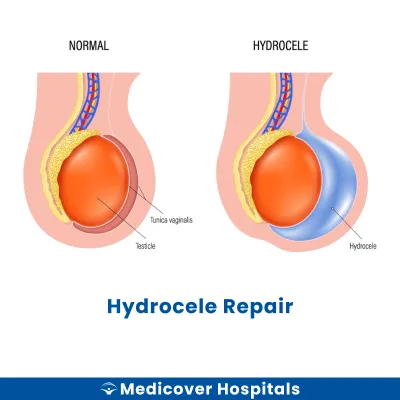
Hydrocele repair is a surgical procedure to correct a hydrocele. A hydrocele is a fluid-filled sac around a testicle, often causing swelling in the scrotum. This condition is generally painless but can lead to discomfort or heaviness. The surgery involves draining the fluid and removing or repairing the sac to prevent fluid reaccumulation.
This surgery is needed when a hydrocele causes discomfort or affects daily activities. It may also be recommended if the hydrocele is large or persistent. If left untreated, a hydrocele can lead to complications like infection or hernia. Modern surgical approaches for hydrocele repair include open surgery and minimally invasive techniques like Advanced Laparoscopy. These methods aim to ensure effective treatment with minimal recovery time.
Hydrocele Repair Doctors Near You
Find experienced urologists for hydrocele repair at Medicover Hospitals across India. Choose your city and book a consultation to discuss your treatment options with our specialists.
Why Choose Medicover Hospitals for Hydrocele Repair?
Get a second opinion from trusted experts and makeconfident, informed decisions.
 Get Second Opinion
Complete Guide To Hydrocele Repair
Everything you need to know about the procedure, preparation, and recovery
Hydrocele Repair Surgery Indications
Doctors recommend hydrocele repair surgery when a hydrocele causes discomfort or complications. This procedure is advised when symptoms persist despite conservative management.
Persistent Swelling
Patients experience noticeable swelling in the scrotum that does not subside over time. Doctors find fluid accumulation around the testicle during examination. When swelling persists and affects daily activities, surgery is considered.
Discomfort or Pain
Some patients report pain or a heavy sensation in the scrotum. Physical examination reveals tenderness or discomfort upon palpation. If pain interferes with normal activities and conservative treatments fail, surgery is recommended.
Infection or Inflammation
Patients may experience redness, warmth, or fever, indicating infection. Doctors detect signs of inflammation or infection through physical exams and lab tests. Surgery is suggested if antibiotics do not resolve the issue.
Impact on Fertility
Men facing fertility issues may have a hydrocele affecting testicular function. Doctors assess sperm health and testicular size through imaging and tests. When a hydrocele is linked to fertility problems, surgical intervention is advised.
Cosmetic Concerns
Some patients are troubled by the appearance of an enlarged scrotum. Examination confirms a significant hydrocele. If cosmetic concerns affect the patient's quality of life, surgery may be considered.
Failure of Conservative Treatment
Initial treatments like aspiration or observation may not relieve symptoms. Doctors monitor the condition through regular check-ups. When these methods fail to improve the situation, surgery becomes necessary.
How to Prepare for Hydrocele repair?
Proper preparation for hydrocele repair ensures a smoother procedure and recovery. Following the guidelines helps reduce complications and enhances the surgical outcome.
- Medication Review: Stop NSAIDs, anticoagulants, and herbal supplements 7 days before surgery.
- Fasting: Do not eat or drink anything 8 hours before the procedure to prepare for anaesthesia.
- Clothing: Wear loose, comfortable clothing on the day of surgery for ease post-operation.
- Transportation: Arrange for someone to drive you home after the procedure as you may feel drowsy.
- Medication List: Bring a list of all medications with dosages for the medical team to review.
- Hygiene: Take a shower the night before or the morning of surgery to reduce infection risk.
- Smoking and Alcohol: Avoid smoking and alcohol for at least 24 hours before surgery.
- Rest: Ensure a good night's sleep before the procedure to help your body cope better.
Hydrocele repair Surgery (Step-by-Step)
Overview: Hydrocele repair is performed by urologists. The procedure typically lasts 30 to 60 minutes. It is usually done under general anaesthesia, ensuring the patient is asleep and pain-free.
- Preparation: The patient is positioned comfortably on the operating table. An intravenous (IV) line is started for administering fluids and medications.
- Incision: A small incision, about 2-3 cm, is made in the scrotum or lower abdomen. This allows access to the hydrocele sac.
- Drainage: The surgeon uses a scalpel to carefully open the hydrocele sac. Fluid is drained to reduce swelling.
- Excision: The hydrocele sac is either removed or plicated (folded and stitched) to prevent fluid reaccumulation. Instruments like scissors and forceps are used.
- Closure: The incision is closed with sutures. Absorbable stitches are often used, which dissolve over time, eliminating the need for removal.
- Dressing: A sterile dressing is applied to protect the incision site. The patient is moved to a recovery area to wake up from anaesthesia.
- Recovery: Once awake, the patient may experience mild discomfort. Pain relief medication is provided as needed.
Who Performs Hydrocele repair Surgery?
Hydrocele repair is performed by urology doctors. These specialists are trained in surgical procedures involving the urinary tract and male reproductive organs. They ensure the procedure is done safely and effectively.
Recovery After Hydrocele Repair Surgery
Recovering from hydrocele repair surgery involves rest and gradual return to normal activities. Most patients experience mild discomfort, which can be managed with prescribed medications. Following your surgeon's advice is crucial for a smooth recovery.
Day 1-3:
- Rest is essential. Avoid strenuous activities.
- Keep the surgical area clean and dry. Follow wound care instructions.
- Consume light meals. Opt for easily digestible foods like curd, dal-rice, and soups.
- Take pain relief medications as prescribed.
Day 4-7:
- Gradually increase light activities. Avoid lifting heavy objects.
- Continue with a soft diet. Include khichdi and moong dal for nutrition.
- Monitor the incision site for any signs of infection.
- Most patients can resume work or school by the end of this week, depending on their comfort level.
Week 2-4:
- Resume normal activities gradually. Avoid high-impact exercises until cleared by your doctor.
- Maintain a balanced diet to support healing. Include plenty of fruits and vegetables.
- Follow up with your surgeon for a post-operative check-up.
When to Seek Urgent Help:
- Fever or chills, which may indicate an infection.
- Severe pain unrelieved by medication.
- Redness, swelling, or discharge from the incision site.
- Difficulty urinating or any unusual symptoms.
Contact Medicover Hospitals for any concerns. Please contact the hospital for current details as insurance panels may change.
Benefits of Hydrocele repair Surgery
Hydrocele repair surgery is designed to alleviate discomfort and improve quality of life. Here are some benefits:
- Pain Relief: Reduces or eliminates pain caused by the hydrocele.
- Improved Mobility: Eases movement and daily activities by removing the swelling.
- Enhanced Appearance: Restores the normal appearance of the scrotum.
- Prevention of Complications: Reduces the risk of infection or other complications associated with untreated hydroceles.
Risks and Complications of Hydrocele repair Surgery
While hydrocele repair surgery is generally safe, it carries some risks. It's important to be aware of them:
Common Risks
- Swelling and bruising around the surgical site.
- Temporary pain or discomfort post-surgery.
Rare Risks
- Infection at the incision site.
- Recurrence of the hydrocele.
- Injury to nearby structures, such as the testicle.
- Blood clots or excessive bleeding.
Cost of Hydrocele Repair Surgery
The cost of hydrocele repair surgery at Medicover Hospitals ranges from ₹10,000 to ₹1,35,000. Prices vary based on the ward category chosen, such as outpatient, day care, general, and private wards. We offer transparent pricing with no hidden charges.
Insurance and TPA support is available, including CGHS, ESI, and major TPAs. A cashless facility is also offered for your convenience. Please contact the hospital for the latest insurance panel details as these may change periodically.
Frequently Asked Questions
1. How much does Hydrocele repair surgery cost?
The cost of Hydrocele repair surgery at Medicover Hospitals ranges from ₹10,000 to ₹1,35,000, depending on the type of room and care.
2. Is Hydrocele repair surgery covered by insurance?
Hydrocele repair surgery may be covered by CGHS, ESI, and major TPAs, offering cashless options. Please contact the hospital for current panel details.
3. Will Hydrocele repair affect fertility?
Hydrocele repair surgery generally does not affect fertility. It focuses on removing fluid build-up without impacting reproductive organs.
4. How soon can I resume normal activities?
Most patients can resume normal activities within one to two weeks after Hydrocele repair. Avoid heavy lifting and strenuous exercise during this period.
5. What dietary changes are needed post-surgery?
After Hydrocele repair, a light diet including curd, dal-rice, and khichdi is recommended. Avoid spicy and oily foods to aid recovery.
6. Can Hydrocele recur after surgery?
Recurrence of Hydrocele after surgery is rare but possible. Regular follow-up with your doctor can help monitor and prevent any recurrence.
7. Will I experience swelling after surgery?
Some swelling and discomfort are common after Hydrocele repair surgery. These symptoms usually subside within a few days with proper care.


