 Call
Call Patient Reports
Gemcitabine and Cisplatin Chemotherapy Procedure by Expert Oncologists
Gemcitabine and Cisplatin Chemotherapy, administered by experienced oncologists with qualifications like MS, DNB, and DM, is a key treatment for various cancers at Medicover Hospitals. This regimen, often delivered through an open approach, can lead to reduced blood loss during treatment.
Expert Specialists
Yearly Treatments
Patient Satisfaction
What is Gemcitabine and Cisplatin Chemotherapy?
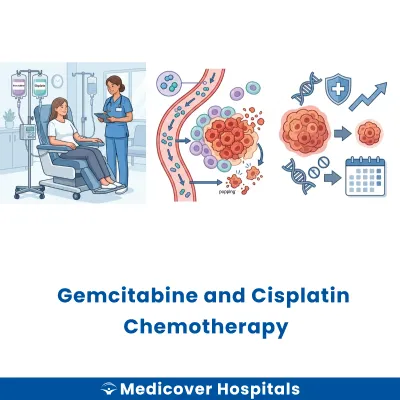
Gemcitabine and Cisplatin Chemotherapy is a treatment combining two drugs to target cancer cells. It is often used for cancers of the lung, bladder, and pancreas. Gemcitabine works by interfering with the DNA synthesis of cancer cells, while Cisplatin damages the DNA, preventing cell division. This combination is effective in slowing the growth of cancerous cells and shrinking tumors.
This chemotherapy is needed for treating certain types of cancer that are aggressive or have spread to other parts of the body. Conditions like non-small cell lung cancer and bladder cancer may require this treatment. If left untreated, these cancers can progress, leading to severe health complications. Modern approaches include targeted therapy and immunotherapy, which are sometimes used alongside chemotherapy to improve outcomes.
Gemcitabine and Cisplatin Chemotherapy Doctors Near You
Find experienced oncologists for Gemcitabine and Cisplatin chemotherapy at Medicover Hospitals across India. Choose your city and book a consultation to discuss your treatment options today.
Why Choose Medicover Hospitals for Gemcitabine and Cisplatin Chemotherapy?
Get a second opinion from trusted experts and makeconfident, informed decisions.
 Get Second Opinion
Complete Guide To Gemcitabine And Cisplatin Chemotherapy
Everything you need to know about the procedure, preparation, and recovery
Gemcitabine and Cisplatin Chemotherapy Procedure Indications
Oncologists recommend Gemcitabine and Cisplatin chemotherapy for certain types of cancers. This combination is often used when other treatments have not been effective or when the cancer is advanced.
Non-Small Cell Lung Cancer (NSCLC)
Patients may experience persistent cough, chest pain, and shortness of breath. Imaging tests like CT scans often reveal tumours in the lungs. When NSCLC is advanced or has metastasized, and initial treatments are not effective, this chemotherapy may be recommended.
Bladder Cancer
Symptoms include blood in urine, frequent urination, and pelvic pain. Cystoscopy and imaging tests may show tumour growth in the bladder. When bladder cancer is muscle-invasive or recurrent, and other treatments fail, this chemotherapy is considered.
Pancreatic Cancer
Patients often report abdominal pain, weight loss, and jaundice. CT or MRI scans can detect tumours in the pancreas. When the cancer is locally advanced or metastatic, and surgery is not an option, this treatment may be advised.
Biliary Tract Cancer
Symptoms include jaundice, abdominal pain, and weight loss. Imaging tests may show blockages or growths in the bile ducts. When the cancer is advanced, and surgical options are limited, this chemotherapy can be a treatment choice.
Ovarian Cancer
Patients may experience bloating, pelvic pain, and changes in bowel habits. Ultrasound or CT scans can reveal masses in the ovaries. When the cancer is advanced or recurrent, and other therapies are insufficient, this chemotherapy may be used.
How to Prepare for Gemcitabine and Cisplatin Chemotherapy?
Preparation is crucial for Gemcitabine and Cisplatin chemotherapy to ensure safety and effectiveness. Proper steps can help manage side effects and improve treatment outcomes.
- Medication Review: Inform your doctor about all medications. Stop NSAIDs, anticoagulants, and herbal supplements as advised.
- Fasting Guidelines: If sedation is required, fast for at least 6 hours before the procedure. Follow specific instructions from your healthcare provider.
- Hydration: Drink plenty of water the day before and the morning of your treatment unless instructed otherwise.
- Comfortable Clothing: Wear loose, comfortable clothing to your appointment for ease during the treatment.
- Transportation: Arrange for someone to drive you home after the session, as you may feel weak or tired.
- Medication List: Bring a list of all current medications, including dosages, to share with your healthcare team.
- Dietary Adjustments: Follow any dietary restrictions or recommendations provided by your healthcare team.
- Rest and Relaxation: Ensure you get adequate rest before your treatment to help your body cope better with the chemotherapy.
Gemcitabine and Cisplatin Chemotherapy procedure (Step-by-Step)
Overview: This chemotherapy is performed by oncologists. The typical duration ranges from a few hours to a day. No anaesthesia is required as it is administered intravenously.
- Preparation: The patient arrives at the hospital. Blood tests may be conducted to ensure the patient is fit for chemotherapy. The oncologist explains the procedure and addresses any concerns.
- IV Line Insertion: A nurse inserts an intravenous (IV) line into a vein, usually in the arm. This is done using a small needle. The patient may feel a slight pinch.
- Pre-medication: Anti-nausea medications are given through the IV to help prevent side effects. The patient may feel relaxed as these medications take effect.
- Gemcitabine Administration: Gemcitabine is infused through the IV line. This process may take about 30 minutes. The patient can sit comfortably during this time.
- Cisplatin Administration: After Gemcitabine, Cisplatin is administered through the same IV line. This infusion may take several hours. The patient is monitored for any immediate reactions.
- Post-Treatment Monitoring: Once the chemotherapy is complete, the patient is observed for a short period. This ensures there are no adverse reactions. The IV line is then removed.
- Discharge: The patient receives instructions for home care and managing side effects. Follow-up appointments are scheduled.
Who Performs Gemcitabine and Cisplatin Chemotherapy procedure?
This procedure is performed by oncology doctors, who are specialists in cancer treatment. They work alongside trained nurses and healthcare professionals to ensure the chemotherapy is administered safely and effectively.
Recovery After Gemcitabine and Cisplatin Chemotherapy procedure
Recovery from Gemcitabine and Cisplatin Chemotherapy varies for each person. It's essential to follow your doctor's advice and listen to your body. You may experience fatigue, nausea, and changes in appetite. Rest and proper nutrition are crucial during this period.
Day 1-3:
- Rest is vital. Avoid strenuous activities.
- Stay hydrated with water, coconut water, or fresh juices.
- Eat light meals like dal-rice or khichdi to ease digestion.
Day 4-7:
- Gradually resume light activities as tolerated.
- Include protein-rich foods like moong dal and curd in your diet.
- Continue to monitor for any side effects.
Day 8-14:
- You may start feeling more energetic.
- Consider returning to work or school if you feel up to it, but avoid overexertion.
- Include soups and fresh fruits to boost immunity.
Phase 3 (Week 3-4):
- Increase activity levels gradually.
- Maintain a balanced diet with vegetables, whole grains, and lean proteins.
- Regular follow-ups with your doctor are important.
When to Seek Urgent Help
- High fever or chills.
- Severe nausea or vomiting that doesn't improve.
- Unusual bleeding or bruising.
- Shortness of breath or chest pain.
- Persistent fatigue or weakness.
If you experience any of these symptoms, contact your healthcare provider immediately.
Benefits of Gemcitabine and Cisplatin Chemotherapy procedure
Gemcitabine and Cisplatin are often used together to treat various types of cancer. This combination can offer several benefits.
- Enhanced Efficacy: Combining these drugs can improve the effectiveness of cancer treatment.
- Broad Application: Useful for treating multiple cancer types, including lung and bladder cancer.
- Potential for Shrinking Tumours: May help in reducing the size of tumours, making them easier to remove surgically.
- Improved Survival Rates: Can contribute to longer survival times in some patients.
Risks and Complications of Gemcitabine and Cisplatin Chemotherapy procedure
While this chemotherapy combination can be effective, it also comes with potential risks and complications.
Common Risks
- Nausea and vomiting are frequent side effects.
- Fatigue and weakness can occur during treatment.
- Risk of infection due to lowered white blood cell count.
Rare Risks
- Kidney damage may occur, requiring monitoring.
- Hearing loss or ringing in the ears can develop.
- Allergic reactions, though uncommon, may happen.
Cost of Gemcitabine and Cisplatin Chemotherapy procedure
The cost of Gemcitabine and Cisplatin Chemotherapy at Medicover Hospitals ranges from ₹1,80,000 to ₹3,50,000 depending on the ward category. Prices vary based on the type of accommodation chosen, ensuring transparent pricing for all patients. Medicover Hospitals offers insurance and TPA support, including CGHS, ESI, and major TPAs, with a cashless facility available for convenience. Please contact the hospital for the latest insurance panel details as these may change periodically.
Frequently Asked Questions
1. How much does Gemcitabine and Cisplatin Chemotherapy procedure cost at Medicover Hospitals?
The cost for Gemcitabine and Cisplatin Chemotherapy ranges from ₹1,80,000 to ₹3,50,000 across Medicover Hospitals, depending on the type of care chosen.
2. Is Gemcitabine and Cisplatin Chemotherapy procedure covered under health insurance at Medicover?
Gemcitabine and Cisplatin Chemotherapy may be covered under CGHS, ESI, and major TPAs. Please contact the hospital for current panel details.
3. Will I experience hair loss with Gemcitabine and Cisplatin?
Hair loss is a common side effect of Gemcitabine and Cisplatin Chemotherapy. It may begin a few weeks after starting treatment.
4. Can Gemcitabine and Cisplatin affect kidney function?
Cisplatin can potentially affect kidney function, requiring regular monitoring. It's important to stay hydrated and follow medical advice.
5. Will I need to avoid certain foods during treatment?
During chemotherapy, avoid raw or undercooked foods. Opt for easily digestible Indian foods like khichdi, dal-rice, and curd.
6. How does Gemcitabine and Cisplatin affect lung cancer?
Gemcitabine and Cisplatin are often used to treat non-small cell lung cancer. They work by interfering with cancer cell growth.
7. Will I feel fatigued during Gemcitabine and Cisplatin treatment?
Fatigue is a common effect of chemotherapy, including Gemcitabine and Cisplatin. Rest and balanced nutrition can help manage this symptom.


