What is Embryo Donor Treatment?
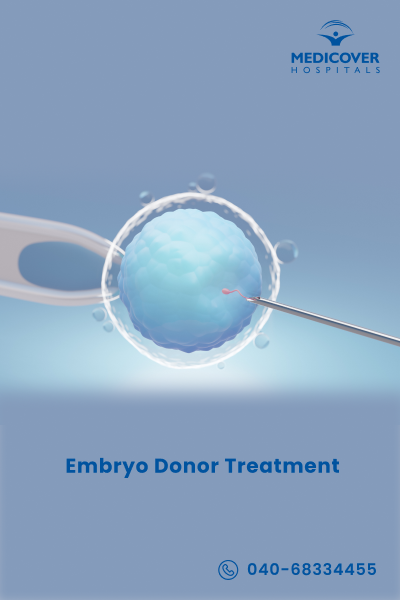
Embryo donor treatment, also known as embryo donation, is a fertility option within assisted reproductive technology (ART). It allows individuals or couples struggling with infertility to use embryos donated by couples who have successfully undergone in vitro fertilization (IVF) and have extra viable embryos. This procedure allows recipients to experience pregnancy and childbirth using embryos that are genetically unrelated to them.
Types of Embryo Donor Treatment
There are two main approaches to embryo donation:
- Anonymous Embryo Donation: Donor embryos come from couples who have completed their family through IVF and wish to donate their unused embryos anonymously.
- Known Embryo Donation: Donors are known to the recipient, such as friends or relatives, who voluntarily provide embryos.
- Frozen Embryo Transfer (FET): The most common method where frozen embryos are thawed and transferred into the recipient’s uterus.
- Fresh Embryo Donation: Less common, involving fresh embryos transferred immediately after fertilization.
15-30 min
Surgery Duration
Usually Not Required
Anesthesia Used
No Hospital Stay
Hospital Stay
Return to normal activities within 24 hours
Full Recovery Timeline
Indications for Embryo Donor Treatment
Embryo donor treatment is considered for individuals or couples facing infertility or reproductive health challenges. Here are some common reasons:
- Diminished Ovarian Reserve: Individuals with a reduced quantity or quality of eggs may find it difficult to conceive using their own.
- Advanced Maternal Age: As women age, egg quality declines, leading to conception difficulties and an increased risk of genetic abnormalities. Embryo donation allows older women to use healthier embryos.
- Repeated IVF Failures: Couples who have undergone multiple unsuccessful IVF cycles with their own eggs and sperm may opt for embryo donation.
- Genetic Disorders: To avoid passing on serious genetic disorders, couples with a family history may choose embryo donation.
- Unexplained Infertility: In some cases, the cause of infertility is unknown. Donor embryos offer an alternative path to pregnancy.
- Same-Sex Couples: Same-sex male couples and some single individuals may require both donated eggs and sperm to create embryos.
- Medical Conditions: Individuals with certain medical conditions affecting fertility may benefit from embryo donation.
- Previous Hysterectomy: Women who have had a hysterectomy but still have a healthy uterus may choose embryo donation.
- Recurrent Pregnancy Loss: Individuals with a history of recurrent pregnancy loss might consider embryo donation to improve their chances of a successful pregnancy.
Who Needs Embryo Donor Treatment?
Embryo donor treatment is ideal for couples or individuals who cannot conceive using their own gametes (egg/sperm) or embryos.
You may consider embryo donor treatment if you experience:
- Multiple failed IVF cycles despite using quality gametes
- Early signs of menopause or lack of ovulation
- Poor sperm count, low motility, or non-retrievable sperm
- Emotional distress from repeated fertility treatment failures
- Desire for parenthood despite age-related fertility decline
- Inability to conceive due to absence of viable gametes
- Need for a genetic-disease-free pregnancy experience
How to Prepare for Embryo Donor Treatment?
Preparation involves both medical and emotional readiness for the process:
- Initial Consultation: Meet a fertility specialist to discuss medical history, treatment options, and donor matching.
- Recipient Evaluation: Hormonal tests, uterine scan, and infection screening.
- Endometrial Preparation: Estrogen and progesterone medications are prescribed to prepare the uterine lining.
- Counseling & Legal Consent: Psychological counseling and legal documentation for embryo adoption are required.
- Synchronization: The recipient’s cycle is aligned with the embryo transfer schedule.
Steps Involved in Embryo Donor Treatment Procedure
The embryo donor treatment process involves several steps before, during, and after the actual embryo transfer.
Before Treatment
- Initial Consultation and Evaluation: A fertility specialist discusses medical history, fertility challenges, and treatment goals. A thorough evaluation is conducted to determine if embryo donation is suitable.
- Counseling and Consent: Recipients receive counseling to understand the emotional, psychological, and ethical implications of embryo donation. Legal agreements and consents are established between donors and recipients.
- Donor Matching: Recipients may choose embryos from a pool or be matched with embryos based on preferences (ethnicity, medical history).
- Synchronization: Hormonal medications may be used to synchronize the recipient's menstrual cycle with the donor's or a specific protocol.
During Treatment
- Preparation of Recipient's Uterus: Hormonal medications prepare the uterus for embryo transfer, creating an optimal environment for implantation.
- Embryo Thawing: Frozen donated embryos are thawed in the lab under controlled conditions to ensure viability.
- Embryo Transfer: Thawed embryos are inserted into the recipient's uterus through a catheter. This is a brief, outpatient procedure that often does not require anesthesia.
After Treatment
- Post-Transfer Care: Recipients rest briefly before resuming regular activities. Some clinics recommend avoiding strenuous exercise and certain foods.
- Pregnancy Testing: Approximately two weeks after the transfer, a blood test is conducted to determine pregnancy (hCG hormone level).
- Prenatal Monitoring: If the pregnancy test is positive, recipients undergo regular blood tests and ultrasounds to monitor progress.
- Pregnancy Outcome: If successful, the recipient receives prenatal care for a healthy pregnancy. If unsuccessful, the recipient and their medical team discuss the next steps and possible additional treatment options.
Recovery After Embryo Donor Treatment
Recovery after embryo transfer is generally mild and straightforward.
- Immediate Post-Procedure Period: After the transfer, you may rest for 15-30 minutes in the recovery area. Some women experience mild cramping or discomfort.
- Rest and Normal Activities: Many clinics recommend taking it easy for the rest of the day after the transfer, but you can typically resume normal activities the next day. Avoid strenuous exercise, heavy lifting, and vigorous activities for a few days.
- Medications: Continue taking prescribed hormonal medications as instructed by your doctor. These medications may include progesterone supplements.
- Hydration: Drinking plenty of fluids is important for overall well-being during recovery.
- Potential Symptoms: Mild spotting, light vaginal discharge, or mild cramping (similar to menstrual cramps) are common and usually subside within a few days.
- Emotional Well-being: The period after the transfer can be emotionally challenging. Seek emotional support from loved ones or professional counselors.
- Pregnancy Test: Approximately two weeks after the transfer, a blood test is conducted to determine if pregnancy has occurred.
Benefits of Embryo Donor Treatment
- Offers pregnancy and childbirth experience to infertile couples
- Cost-effective compared to donor egg and IVF cycles
- High success rate due to pre-screened, quality embryos
- Avoids the need for egg retrieval or sperm collection
- Helps donors give new life to unused embryos ethically and compassionately
Risks of Embryo Donor Treatment
Although embryo donation is generally safe, possible risks include:
- Multiple pregnancy (if more than one embryo is transferred)
- Mild side effects from hormonal medications
- Implantation failure or early miscarriage
- Emotional or psychological concerns about genetic connection
- Legal and ethical considerations regarding donor anonymity
How Much Does Embryo Donor Treatment Cost in India?
- Frozen Embryo Transfer: Rs. 1,00,000 - Rs. 1,80,000
- Fresh Embryo Donation or Premium Donor Program: Rs. 1,80,000 - Rs. 3,00,000+
Costs vary based on clinic location, donor selection, embryo quality, and additional procedures like endometrial preparation.
 040 68334455
 WhatsApp
 Patient Portal
 Home Care