 Call
Call Patient Reports
Dialysis Procedure by Expert Nephrologists
At Medicover Hospitals, our team of nephrologists with DM and DNB qualifications provides expert dialysis care. We utilise advanced techniques for hemodialysis and peritoneal dialysis, ensuring effective treatment. This approach often results in shorter hospital stays and improved patient outcomes across India.
Expert Specialists
Yearly Treatments
Patient Satisfaction
What is Dialysis?
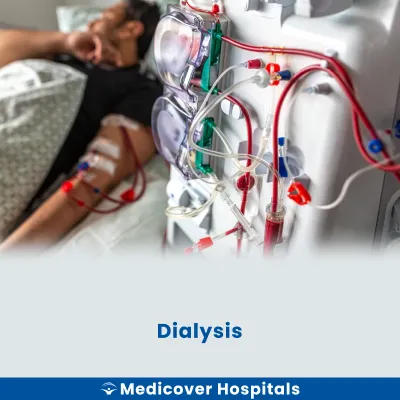
Dialysis is a medical procedure that replicates the function of the kidneys. It removes waste products and excess fluid from the blood. This is crucial when the kidneys (bean-shaped organs that filter blood) are not functioning properly. Dialysis helps maintain balance in the body by regulating fluid and electrolytes.
This procedure is often needed for individuals with chronic kidney disease or acute kidney injury. If left untreated, these conditions can lead to dangerous levels of waste in the blood. This can result in serious health complications. Modern approaches to dialysis include haemodialysis procedure and peritoneal dialysis. Haemodialysis uses a machine to filter blood outside the body. Peritoneal dialysis uses the lining of the abdomen to filter blood inside the body.
Dialysis Doctors Near You
Find experienced nephrology doctors at Medicover Hospitals across India. Choose your city and book a consultation to address your kidney health needs with expert care.
Why Choose Medicover Hospitals for Dialysis?
Get a second opinion from trusted experts and makeconfident, informed decisions.
 Get Second Opinion
Complete Guide To Dialysis
Everything you need to know about the procedure, preparation, and recovery
Dialysis Procedure Indications
Doctors recommend dialysis when the kidneys can no longer filter waste effectively. This procedure helps manage symptoms and prevent complications of kidney failure.
Chronic Kidney Disease (CKD)
Patients with CKD may experience fatigue, swelling, and changes in urination. Lab tests often show elevated creatinine and urea levels. Dialysis is considered when kidney function drops below 15% and symptoms worsen despite medication.
Acute Kidney Injury (AKI)
AKI can cause sudden fluid retention, confusion, and decreased urine output. Blood tests reveal a rapid rise in creatinine. Dialysis is necessary when conservative treatments fail to restore kidney function.
Severe Electrolyte Imbalance
Patients may suffer from muscle cramps, weakness, or irregular heartbeats. Blood tests show abnormal potassium or sodium levels. Dialysis is indicated when medication cannot correct these imbalances.
Fluid Overload
Symptoms include shortness of breath and swelling in the legs. Physical examination reveals fluid retention. Dialysis is recommended when diuretics do not alleviate the excess fluid.
Uremic Symptoms
Patients experience nausea, itching, and mental confusion. Blood tests indicate high urea levels. Dialysis is advised when these symptoms persist despite dietary changes and medications.
How to Prepare for Dialysis?
Proper preparation for dialysis is crucial to ensure a smooth and effective treatment. It helps in minimizing complications and enhancing comfort during the procedure.
- Medication Review: Consult your doctor about stopping NSAIDs, anticoagulants, and herbal supplements before dialysis.
- Fasting Guidelines: Generally, fasting is not required for dialysis. However, follow any specific instructions from your healthcare provider.
- Access Site Care: Ensure the dialysis access site is clean and free from infections. Follow any specific cleaning instructions given by your healthcare team.
- Clothing: Wear loose, comfortable clothing to allow easy access to the dialysis site and for overall comfort during the session.
- Transportation: Arrange for transport to and from the hospital, as you may feel tired after the procedure.
- Medication List: Bring a list of all medications you are taking, including dosages, to share with your healthcare team.
- Hydration: Follow any specific fluid intake instructions provided by your doctor to manage fluid balance effectively.
- Dietary Instructions: Adhere to any dietary guidelines given by your healthcare provider to optimize treatment outcomes.
Dialysis procedure (Step-by-Step)
Overview: Dialysis is performed by nephrologists. The procedure typically lasts 3-5 hours. It does not require anaesthesia as it is non-invasive.
- Preparation: The patient is comfortably seated or lying down. A nurse checks vital signs and ensures the patient is relaxed.
- Access Creation: A vascular access is used, such as an arteriovenous fistula or graft, or a central venous catheter. No surgical instruments are needed for this step.
- Connection: The dialysis machine is connected to the patient via tubes. Blood flows from the body into the machine.
- Filtration: The machine uses a dialyzer to filter waste and excess fluids from the blood. The patient may feel a slight chill as blood circulates outside the body.
- Monitoring: The patient's blood pressure and heart rate are monitored. Adjustments are made if necessary to ensure comfort and safety.
- Disconnection: After the session, the tubes are carefully removed. The access site is cleaned and bandaged.
- Post-Procedure: The patient may feel tired. Rest is recommended. A light snack is often provided to help regain energy.
Who Performs Dialysis procedure?
Dialysis is overseen by nephrologists, specialists in kidney care. They are supported by trained dialysis technicians and nurses who ensure the procedure runs smoothly and safely.
Recovery After Dialysis procedure
After a dialysis session, patients may feel tired or slightly dizzy. It's important to rest and allow your body to recover. Regular dialysis can help manage symptoms of kidney failure, but following post-procedure advice is crucial for optimal health.
Day 1:
- Rest is essential. Avoid strenuous activities.
- Consume light meals. Opt for easily digestible foods like khichdi or moong dal.
Day 2-3:
- Gradually resume light activities. Short walks are beneficial.
- Maintain a balanced diet. Include curd and dal-rice for protein and energy.
Day 4-7:
- Most patients can return to work or school, depending on their energy levels.
- Stay hydrated, but monitor fluid intake as advised by your doctor.
- Include soups and steamed vegetables in your meals.
Phase 2 (Week 2 and beyond):
- Continue with regular activities, but avoid heavy lifting or intense exercise.
- Monitor your diet closely. Limit salt, potassium, and phosphorus-rich foods.
- Regular follow-ups with your healthcare provider are important.
When to Seek Urgent Help
- Sudden shortness of breath or chest pain.
- Severe headache or confusion.
- Excessive swelling in the legs or face.
- Persistent nausea or vomiting.
If any of these symptoms occur, contact your healthcare provider immediately.
Benefits of Dialysis procedure
Dialysis is a life-saving treatment for those with kidney failure. It helps maintain balance in the body.
- Waste Removal: Dialysis effectively removes waste and excess fluids from the blood.
- Electrolyte Balance: It helps maintain the right balance of electrolytes in the body.
- Blood Pressure Control: Dialysis can assist in controlling blood pressure levels.
- Improved Quality of Life: Regular dialysis can enhance overall well-being and energy levels.
Risks and Complications of Dialysis procedure
While dialysis is essential, it does come with potential risks. It's important to be aware of these.
Common Risks
- Low blood pressure during or after treatment.
- Muscle cramps, often due to fluid removal.
- Itching, which can be persistent and uncomfortable.
Rare Risks
- Infection at the access site.
- Bloodstream infections due to catheter use.
- Anaemia, leading to fatigue and weakness.
Cost of Dialysis procedure
The cost of a dialysis procedure at Medicover Hospitals ranges from ₹1,000 and ₹4,000 per session, depending on the ward category. Prices vary based on the type of accommodation chosen, such as outpatient, day care, general, and more.
Medicover Hospitals offers transparent pricing and supports insurance and TPA services, including CGHS, ESI, and major TPAs. A cashless facility is also available for your convenience. Please contact the hospital for the latest insurance panel details as these may change periodically.
Frequently Asked Questions
1. How much does Dialysis procedure cost at Medicover Hospitals?
The cost of a Dialysis procedure at Medicover Hospitals ranges from ₹1,000 and ₹4,000 per session depending on the type and setting.
2. Is Dialysis procedure covered under health insurance at Medicover?
Dialysis procedures may be covered under CGHS, ESI, and major TPAs, offering cashless options. Please contact the hospital for current panel details.
3. Will Dialysis affect my kidney function?
Dialysis helps perform the kidney's function of filtering waste. It does not improve kidney function but supports the body when kidneys fail.
4. Can I eat spicy food during Dialysis?
It's advisable to avoid spicy foods and opt for a balanced diet like dal-rice or khichdi. Consult your dietitian for specific dietary recommendations.
5. Will I need to limit fluid intake after Dialysis?
Yes, fluid intake may need to be restricted to prevent overload. Discuss your specific limits with your healthcare provider.
6. Can Dialysis cause low blood pressure?
Yes, low blood pressure is a common complication during Dialysis. Inform your healthcare team if you experience dizziness or fatigue.
7. How often will I need Dialysis sessions?
Dialysis frequency varies based on medical needs, typically three times a week. Your nephrologist will tailor the schedule to your condition.


