 Call
Call Patient Reports
Cystoscopy with Urethral Dilation Procedure Hospital with Advanced Care
At Medicover Hospitals, our expert urologists, with qualifications like MS, DNB, and MCh, perform cystoscopy with urethral dilation using an endoscopic approach. This minimally invasive procedure allows for precise treatment of urethral strictures, leading to shorter hospital stays and quicker recovery for patients.
Expert Surgeons
Yearly Surgeries
Patient Satisfaction
What is Cystoscopy With Urethral Dilation?
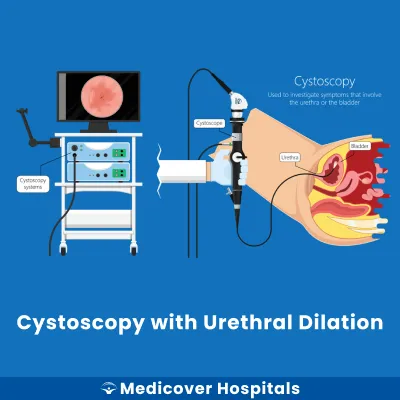
Cystoscopy with Urethral Dilation is a medical procedure involving the examination of the urethra and bladder using a cystoscope (a thin, flexible tube with a camera). During this procedure, the urethra (the tube that carries urine from the bladder to the outside of the body) is gently widened or dilated. This helps in diagnosing and treating any blockages or strictures (narrowing) in the urethra.
This procedure is often needed for individuals experiencing difficulty in urination due to urethral strictures. Conditions like recurrent urinary tract infections or trauma can lead to such strictures. If left untreated, it can cause severe urinary problems and kidney damage. Modern approaches include minimally invasive techniques, ensuring quicker recovery and less discomfort. Always consult a healthcare professional for the most suitable treatment options.
Cystoscopy With Urethral Dilation Doctors Near You
Find experienced urologists for cystoscopy with urethral dilation at Medicover Hospitals across India. Choose your city and book a consultation today for expert guidance and care.
Why Choose Medicover Hospitals for Cystoscopy With Urethral Dilation?
Get a second opinion from trusted experts and makeconfident, informed decisions.
 Get Second Opinion
Complete Guide To Cystoscopy With Urethral Dilation
Everything you need to know about the procedure, preparation, and recovery
Cystoscopy with Urethral Dilation procedure Indications
Doctors recommend cystoscopy with urethral dilation when patients experience urinary issues that do not improve with conservative treatments. This procedure helps diagnose and treat underlying conditions affecting the urethra and bladder.
Urethral Stricture
Patients may experience difficulty urinating, weak urine stream, or frequent urinary tract infections. Examination might reveal narrowing of the urethra on imaging tests. When medications and lifestyle changes fail, this procedure is considered.
Recurrent Urinary Tract Infections (UTIs)
Frequent UTIs with symptoms like burning sensation during urination and pelvic pain may indicate underlying issues. Cystoscopy can help identify structural abnormalities. If antibiotics do not prevent recurrence, this procedure is advised.
Bladder Outlet Obstruction
Symptoms include difficulty starting urination, weak stream, and incomplete bladder emptying. Tests may show obstruction at the bladder neck. When medications do not alleviate symptoms, cystoscopy with dilation is recommended.
Hematuria
Patients may notice blood in urine, which can be alarming. Doctors use imaging and urine tests to identify the cause. If initial evaluations are inconclusive, cystoscopy helps in further investigation.
Chronic Pelvic Pain
Persistent pelvic pain with no clear cause might require further examination. Cystoscopy can help identify any hidden abnormalities. When pain management strategies fail, this procedure is considered.
How to Prepare for Cystoscopy with Urethral Dilation?
Proper preparation is crucial for a smooth cystoscopy with urethral dilation. It helps in reducing complications and ensures accurate results.
- Medication Review: Stop NSAIDs, anticoagulants, and herbal supplements a few days before the procedure.
- Fasting Instructions: If general anaesthesia is used, fast for at least 6-8 hours before the procedure.
- Hydration: Drink plenty of water the day before, unless instructed otherwise by your doctor.
- Clothing: Wear loose, comfortable clothing on the day of the procedure for ease and comfort.
- Transportation: Arrange for someone to drive you home, as you may feel drowsy post-procedure.
- Medication List: Bring a list of all medications you are taking, including dosages, for the medical team.
- Pre-Procedure Instructions: Follow any specific instructions given by your doctor, such as bowel prep if advised.
- Relaxation Techniques: Practice deep breathing or other relaxation techniques to ease anxiety before the procedure.
Cystoscopy with Urethral Dilation procedure (Step-by-Step)
This procedure is performed by urologists. It typically lasts 15-30 minutes. Local or regional anaesthesia is commonly used to minimise discomfort.
- Preparation: The patient is positioned comfortably. Local or regional anaesthesia is administered to numb the area.
- Insertion of Cystoscope: A lubricated cystoscope is gently inserted into the urethra. This thin, tube-like instrument allows the urologist to view the urinary tract.
- Visual Examination: The urologist examines the urethra and bladder. A camera on the cystoscope transmits images to a monitor for detailed viewing.
- Urethral Dilation: If a narrowing is found, the urologist uses dilators to gently widen the urethra. This helps improve urine flow.
- Use of Instruments: Special instruments like a curette may be used to remove any obstructions or tissue if necessary.
- Completion: After dilation, the cystoscope is carefully removed. The patient may feel slight discomfort during this step.
- Post-Procedure Care: The patient is monitored briefly for any adverse reactions. Instructions on care and potential symptoms to watch for are provided.
Who Performs Cystoscopy with Urethral Dilation procedure?
This procedure is performed by urology specialists. They specialise in diagnosing and treating conditions of the urinary tract. Urologists have extensive training in using cystoscopes and performing urethral dilation. Their expertise ensures the procedure is conducted safely and effectively.
Recovery After Cystoscopy with Urethral Dilation procedure
After undergoing a Cystoscopy with Urethral Dilation, patients can expect a period of mild discomfort and some restrictions. It's important to follow post-procedure instructions to ensure a smooth recovery.
Day 1:
- Expect mild burning sensation during urination.
- Rest is recommended. Avoid strenuous activities.
- Stay hydrated. Drink plenty of water to flush the urinary system.
Day 2-3:
- Continue to experience some discomfort, which should gradually decrease.
- Introduce light activities, but avoid heavy lifting or exercise.
- Consume easily digestible foods like curd, dal-rice, and soups.
Day 4-7:
- Most discomfort should subside. Urination should become more comfortable.
- Resume normal activities, but listen to your body and rest if needed.
- Maintain a diet rich in fibre and hydration with foods like khichdi and moong dal.
Day 8-14:
- Full recovery is expected. Any lingering symptoms should be minimal.
- Return to work or school if feeling well.
- Continue a balanced diet and regular hydration.
When to Seek Urgent Help
- Severe pain or burning during urination that worsens.
- Fever or chills indicating possible infection.
- Blood in urine that persists beyond the first few days.
- Inability to urinate or severe urinary retention.
Benefits of Cystoscopy with Urethral Dilation procedure
Cystoscopy with urethral dilation is a medical procedure designed to diagnose and treat urinary tract issues.
- Improved Urine Flow: Helps relieve blockages and improve urine flow.
- Accurate Diagnosis: Allows direct visualisation of the urethra and bladder for accurate diagnosis.
- Minimally Invasive: Performed with minimal incisions, reducing recovery time.
- Quick Procedure: Typically completed in a short time, often as an outpatient procedure.
Risks and Complications of Cystoscopy with Urethral Dilation procedure
While generally safe, cystoscopy with urethral dilation carries some risks and potential complications.
- Common: Mild discomfort or burning sensation during urination post-procedure.
- Common: Temporary blood in urine, which usually resolves quickly.
- Rare: Urinary tract infection requiring antibiotic treatment.
- Rare: Injury to the urethra or bladder, potentially needing further intervention.
- Rare: Allergic reaction to the anaesthetic or contrast dye used during the procedure.
Cost of Cystoscopy with Urethral Dilation procedure
The cost of a Cystoscopy with Urethral Dilation procedure ranges from Rs. 16,500 to Rs. 90,000 across Medicover Hospitals. The price varies depending on the ward category chosen, such as day care, general, or private rooms.
We offer transparent pricing and support for insurance and TPA, including CGHS, ESI, and major TPAs. A cashless facility is also available for your convenience. Please contact the hospital for the latest insurance panel details as these may change periodically.
Frequently Asked Questions
1. How much does Cystoscopy with Urethral Dilation procedure cost at Medicover Hospitals?
The cost ranges from Rs. 16,500 to Rs. 90,000 across Medicover Hospitals, depending on the type of accommodation chosen.
2. Is Cystoscopy with Urethral Dilation procedure covered under health insurance at Medicover?
This procedure is often covered by CGHS, ESI, and major TPAs with cashless options. Please contact the hospital for current panel details.
3. Will I need a catheter after Cystoscopy with Urethral Dilation?
A catheter might be required temporarily to ensure proper urine flow. Your doctor will advise based on your specific condition.
4. Can I experience urinary tract infections post-procedure?
There's a slight risk of urinary tract infections after the procedure. Drinking plenty of fluids and maintaining hygiene can help prevent this.
5. What foods should I avoid after Cystoscopy with Urethral Dilation?
Avoid spicy foods and caffeine to reduce bladder irritation. Opt for soft foods like curd, dal-rice, and khichdi for comfort.
6. Will I experience pain during urination after the procedure?
Mild discomfort during urination is common initially. This usually subsides within a few days as the urethra heals.
7. How soon can I resume normal activities post-procedure?
Most patients can resume normal activities within a week. However, avoid strenuous activities until your doctor gives the go-ahead.
8. Is cystoscopy a high risk surgery?
Cystoscopy is generally a low-risk procedure with minimal complications. Rare risks include infection, bleeding, or injury to the urinary tract.
9. How long does a cystoscopy and urethral dilation take?
A cystoscopy usually takes about 10–20 minutes, while Urethral dilation may take around 15–30 minutes. If done together, the total procedure time is typically under 30–45 minutes.
10. Is a cystoscopy very painful?
Cystoscopy is usually not very painful as local or mild anesthesia is used. You may feel slight discomfort, burning, or pressure during and after the procedure.


