 Call
Call Patient Reports
Best Hospital for Craniotomy and Skull Base Meningioma Surgery
At Medicover Hospitals, our neurosurgeons, with qualifications like MS, MCh, and DNB, perform open craniotomy and excision of skull base meningioma. This approach allows for precise tumour removal, often resulting in reduced blood loss and a shorter hospital stay for patients.
Expert Surgeons
Yearly Surgeries
Patient Satisfaction
What is Craniotomy and Excision of Skull Base Meningioma?
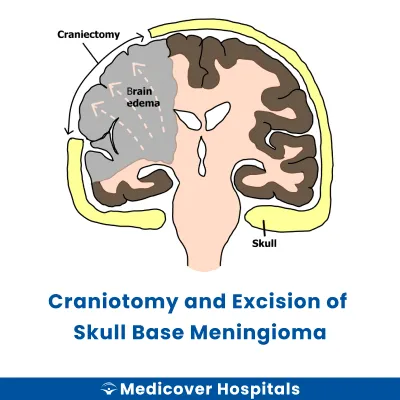
A craniotomy is a surgical procedure where a part of the skull is temporarily removed to access the brain. Excision of skull base meningioma involves removing a tumour (meningioma) located at the base of the skull. The skull base is the area where the brain sits and connects to the spinal cord. This surgery involves delicate work around critical nerves and blood vessels.
This surgery is needed when a meningioma grows and causes symptoms like headaches, vision problems, or seizures. If untreated, it can lead to neurological damage. Conditions like increased intracranial pressure or brain compression may necessitate this procedure. Modern surgical approaches include endoscopic techniques and minimally invasive methods, which aim to reduce recovery time and complications.
Craniotomy and Excision of Skull Base Meningioma Doctors Near You
Explore skilled neurosurgeons for craniotomy and excision of skull base meningioma at Medicover Hospitals across India. Choose your city to book a consultation and begin your treatment journey.
Why Choose Medicover Hospitals for Craniotomy and Excision of Skull Base Meningioma?
Get a second opinion from trusted experts and makeconfident, informed decisions.
 Get Second Opinion
Complete Guide To Craniotomy And Excision Of Skull Base Meningioma
Everything you need to know about the procedure, preparation, and recovery
Craniotomy and Excision of Skull Base Meningioma Surgery Indications
Doctors recommend craniotomy and excision of skull base meningioma when the tumour causes significant symptoms or poses a risk to vital structures. This procedure is considered when non-surgical treatments are ineffective or inappropriate.
Severe Headaches
Patients often experience persistent and severe headaches that do not respond to medication. Imaging tests like MRI or CT scans reveal a meningioma pressing on brain tissues. When pain management fails, surgery is advised.
Vision Problems
Blurred or double vision may occur if the tumour affects the optic nerves. Eye examinations and imaging confirm the tumour's impact on vision pathways. Surgery is recommended when vision loss progresses despite conservative measures.
Hearing Loss
Patients may notice gradual hearing loss or ringing in the ears. Audiometry tests and imaging show the tumour's proximity to auditory nerves. Surgery becomes necessary when hearing impairment worsens.
Facial Numbness or Weakness
Facial numbness or muscle weakness can indicate nerve involvement. Neurological exams and scans confirm nerve compression by the tumour. Surgery is considered when symptoms interfere with daily activities.
Seizures
Seizures may occur if the tumour irritates brain tissue. EEG and imaging help identify the tumour's role in seizure activity. Surgery is suggested when seizures are uncontrolled by medication.
How to Prepare for Craniotomy and Excision of Skull Base Meningioma?
Preparation is crucial for a successful craniotomy and excision of skull base meningioma. It helps reduce risks and ensures a smoother recovery. Follow these steps to prepare effectively.
- Medication Review: Stop NSAIDs, anticoagulants, and herbal supplements at least 7 days before surgery.
- Fasting Guidelines: Fast for at least 8 hours before the procedure as it involves general anaesthesia.
- Pre-Surgery Tests: Complete all required blood tests, MRI, or CT scans as advised by your doctor.
- Personal Items: Wear loose, comfortable clothing on the day of surgery. Avoid jewellery and makeup.
- Transportation: Arrange for someone to drive you home post-surgery, as you will not be able to drive yourself.
- Medication List: Bring a list of all medications you are taking, including dosages, to the hospital.
- Pre-Op Instructions: Follow any specific instructions given by your healthcare team, such as washing with antiseptic soap.
- Emotional Preparation: Consider discussing any anxieties with your doctor or a counsellor to ease your mind before surgery.
Craniotomy and Excision of Skull Base Meningioma Surgery (Step-by-Step)
This procedure is performed by Brain and spine surgeons. It typically lasts 4-6 hours and is done under general anaesthesia.
- Preparation: The patient is positioned on the operating table. The area of the scalp is shaved and sterilised. Anaesthesia is administered to ensure the patient is asleep and pain-free.
- Incision: A 1-2 cm incision is made in the scalp. The skin and underlying tissues are carefully retracted to expose the skull.
- Craniotomy: A surgical drill is used to create a small opening in the skull. The bone flap is temporarily removed to access the brain.
- Tumour Excision: The meningioma is located using imaging guidance. Instruments like a curette or bipolar cautery are used to carefully excise the tumour from the skull base.
- Closure: After tumour removal, the bone flap is replaced and secured. The scalp incision is closed with sutures or staples.
- Recovery: The patient is moved to the recovery room. Vital signs are monitored as they wake up from anaesthesia.
Who Performs Craniotomy and Excision of Skull Base Meningioma Surgery?
This surgery is performed by neurosurgeons who specialise in brain and nervous system conditions. They have extensive training in handling intricate brain surgeries and use specialised instruments to ensure precision during the procedure.
Recovery After Craniotomy and Excision of Skull Base Meningioma Surgery
Recovery from craniotomy and excision of a skull base meningioma is a gradual process. Patients may experience fatigue, headaches, and swelling initially. It's important to follow the doctor's advice for a smooth recovery.
Day 1-3:
- Hospital stay for monitoring vital signs and managing pain.
- Begin with a liquid diet, gradually moving to soft foods like soups and moong dal.
- Rest is crucial; avoid any strenuous activity.
Day 4-7:
- Discharge from the hospital is possible if recovery is on track.
- Continue with a soft diet, including khichdi and dal-rice.
- Short walks around the house are encouraged to improve circulation.
Week 2-4:
- Gradually resume light activities; avoid bending or lifting heavy objects.
- Introduce more solid foods like curd and soft chapatis.
- Follow-up appointments for wound check and suture removal.
Month 1-3:
- Most patients can return to work or school, depending on their recovery.
- Continue to avoid high-impact activities and contact sports.
- Regular check-ups to monitor progress.
When to Seek Urgent Help:
- Severe headaches or persistent vomiting.
- Sudden weakness or numbness in limbs.
- Confusion, seizures, or changes in vision.
It's important to stay in touch with your healthcare provider and report any concerning symptoms. Please contact the hospital for current details as insurance panels may change.
Benefits of Craniotomy and Excision of Skull Base Meningioma Surgery
This procedure aims to remove meningiomas located at the skull base, potentially alleviating symptoms and improving quality of life.
- Symptom Relief: Can reduce headaches, seizures, and neurological deficits.
- Improved Function: May restore normal brain function and reduce pressure on surrounding tissues.
- Prevention of Complications: Helps prevent further complications like vision loss or hearing impairment.
- Enhanced Quality of Life: Patients often experience improved daily functioning post-surgery.
Risks and Complications of Craniotomy and Excision of Skull Base Meningioma Surgery
While the surgery can be beneficial, it carries certain risks. Understanding these can help in making informed decisions.
- Infection at the surgical site.
- Bleeding, which may require additional intervention.
- Neurological deficits, such as weakness or speech difficulties.
- Cerebrospinal fluid leakage, necessitating further treatment.
- Seizures post-surgery, which may need management.
- Swelling of the brain, potentially leading to complications.
Cost of Craniotomy and Excision of Skull Base Meningioma Surgery
The cost of craniotomy and excision of skull base meningioma surgery typically ranges from Rs. 99,000 to Rs. 1,56,000, depending on the surgical approach, duration of hospital stay, room category, required diagnostics, medications, and post-operative care.
At Medicover Hospitals, we ensure transparent pricing with advanced neurosurgical care and expert specialists. We offer support for insurance and TPA, including CGHS, ESI, and major TPAs, with a cashless facility available. Please contact the hospital for the latest insurance panel details, as these may change periodically.
Frequently Asked Questions
1. How much does Craniotomy and Excision of Skull Base Meningioma surgery cost at Medicover Hospitals?
The cost varies and typically ranges from Rs.99,000 to Rs.1,56,000 based on individual cases and hospital location. Please contact Medicover Hospitals for detailed pricing information.
2. Is Craniotomy and Excision of Skull Base Meningioma surgery covered under health insurance at Medicover?
Many health insurance plans, including CGHS and ESI, may cover this surgery. Please contact the hospital for current panel details.
3. Will I experience headaches after skull base meningioma surgery?
Some patients may experience headaches post-surgery, which usually subside over time. It's important to follow your doctor's advice for pain management.
4. Can I return to work after skull base meningioma surgery?
Returning to work depends on your recovery and job type. Consult your doctor to determine when it's safe to resume work activities.
5. Will my sense of smell be affected after surgery?
There is a possibility of changes in smell due to the surgery's proximity to olfactory nerves. Discuss potential outcomes with your surgeon.
6. Can I fly after a craniotomy for skull base meningioma?
Flying is generally not recommended immediately after surgery. Always consult your doctor before planning air travel.
7. What foods should I avoid after skull base meningioma surgery?
Avoid spicy and oily foods to aid recovery. Opt for light meals like khichdi, dal-rice, and curd to support healing.


