 Call
Call Patient Reports
Conventional External Beam Radiotherapy Procedure at Medicover Hospitals
Conventional External Beam Radiotherapy at Medicover Hospitals is performed using advanced open surgical techniques. Our team, with qualifications like MS, DNB, and DM, focuses on treating various cancers. This approach often results in reduced treatment time and improved patient comfort.
Expert Specialists
Yearly Treatments
Patient Satisfaction
What is Conventional External Beam Radiotherapy?
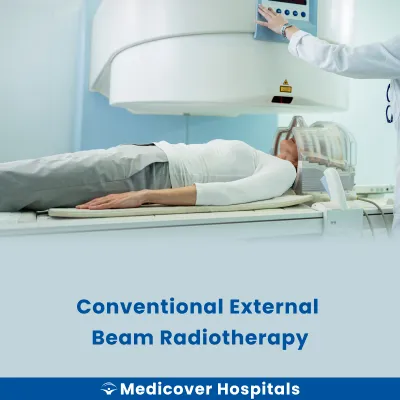
Conventional External Beam Radiotherapy (EBRT) is a type of cancer treatment. It uses high-energy X-rays to target and destroy cancer cells. This therapy is often used for various organs, including the prostate, breast, and lungs. The radiation is delivered from outside the body, focusing on the tumour while sparing surrounding healthy tissues as much as possible.
EBRT is needed to treat cancerous growths that cannot be surgically removed. It helps reduce tumour size and alleviate symptoms. Conditions like prostate cancer, breast cancer, and lung cancer may require this treatment. If left untreated, these cancers can spread and worsen. Modern approaches like Intensity-Modulated Radiotherapy (IMRT) and Image-Guided Radiotherapy (IGRT) offer more precise targeting of tumours.
Conventional External Beam Radiotherapy Doctors Near You
Find experienced oncologists for conventional external beam radiotherapy at Medicover Hospitals across India. Choose your city and book a consultation to discuss your treatment options today.
Why Choose Medicover Hospitals for Conventional External Beam Radiotherapy?
Get a second opinion from trusted experts and makeconfident, informed decisions.
 Get Second Opinion
Complete Guide To Conventional External Beam Radiotherapy
Everything you need to know about the procedure, preparation, and recovery
Conventional External Beam Radiotherapy Procedure Indications
Oncologists recommend Conventional External Beam Radiotherapy (EBRT) for patients with certain types of . It is often suggested that when tumors are localized and can be targeted effectively with radiation.
Breast Cancer
Patients may experience a lump or changes in breast shape. Imaging tests like mammograms reveal abnormal masses. EBRT is considered when surgery alone is insufficient or to reduce recurrence risk after surgery.
Prostate Cancer
Symptoms include difficulty urinating or pelvic pain. Elevated PSA levels and imaging tests like MRI confirm the diagnosis. EBRT is recommended when the cancer is confined to the prostate or nearby tissues.
Lung Cancer
Persistent cough, chest pain, or breathlessness are common symptoms. CT scans or PET scans show tumour presence. EBRT is used when surgery isn't viable or to shrink tumours before surgery.
Head and Neck Cancers
Symptoms include difficulty swallowing or persistent sore throat. Biopsy test and imaging reveal tumour location. EBRT is advised when tumours are inoperable or to preserve organ function.
Brain Tumours
Patients may experience headaches or neurological changes. MRI scans detect tumour size and location. EBRT is chosen when surgery poses high risks or to target residual tumour cells post-surgery.
Please contact the hospital for current details as insurance panels may change.
How to Prepare for Conventional External Beam Radiotherapy?
Proper preparation for Conventional External Beam Radiotherapy ensures the treatment is effective and side effects are minimized. Following these steps helps in achieving the best outcomes.
- Medication Review: Inform your doctor about all medications. You may need to stop NSAIDs, anticoagulants, and herbal supplements.
- Fasting Guidelines: Typically, fasting is not required as anaesthesia is not used in this procedure. Confirm with your healthcare provider.
- Skin Care: Keep the treatment area clean and dry. Avoid applying lotions or creams unless advised by your doctor.
- Clothing Choice: Wear loose, comfortable clothing to avoid irritation at the treatment site.
- Transportation Arrangements: Arrange for someone to drive you home after the session, especially if you feel fatigued.
- Hydration: Drink plenty of water before and after the treatment to stay hydrated.
- Medication List: Bring a list of your medications, including dosages, to each appointment.
- Emotional Support: Consider bringing a friend or family member for support, if allowed.
Conventional External Beam Radiotherapy procedure (Step-by-Step)
This procedure is performed by an experienced cancer specialist. It typically lasts a few minutes to an hour per session. No anaesthesia is required as it is non-invasive.
- Consultation and Planning: The oncologist discusses the treatment plan. Imaging tests like CT or MRI scans are used to map the tumour location.
- Simulation: The patient lies on a treatment table. A simulator is used to determine the exact treatment position. Marks may be placed on the skin to guide the radiotherapy.
- Positioning: The patient is positioned accurately on the treatment table. Immobilisation devices like masks or cushions may be used to keep the patient still.
- Radiation Delivery: The linear accelerator (LINAC) machine delivers the radiation beams. The patient must remain still. The machine may rotate around the patient to target the tumour from different angles.
- Monitoring: The radiotherapy team monitors the patient from another room. Communication is maintained via intercom. The patient can speak to the team if needed.
- Completion: Once the session ends, the patient may leave. No recovery time is needed, as the procedure is non-invasive.
- Follow-up: Regular appointments are scheduled to assess treatment progress and manage any side effects.
Who performs the conventional external beam radiotherapy procedure?
Conventional External Beam Radiotherapy is performed by radiation oncologists. They are specialists trained in using radiation to treat cancer. They work with a team of medical physicists and radiation therapists to ensure precise treatment delivery.
Recovery After Conventional External Beam Radiotherapy procedure
Recovery from Conventional External Beam Radiotherapy varies for each individual. Patients may experience fatigue and skin changes. It's important to follow your doctor's advice and attend follow-up appointments.
Day 1-3:
- Rest is crucial. Avoid strenuous activities.
- Skin may feel tender. Use prescribed creams.
- Consume light meals like curd rice or moong dal soup.
Day 4-7:
- Continue to rest. Short walks can help improve circulation.
- Maintain hydration. Drink plenty of water and fresh juices.
- Include easily digestible foods like khichdi and dal-rice.
Week 2-4:
- Gradually resume normal activities as energy levels improve.
- Skin may still be sensitive. Wear loose clothing.
- Balanced diet is essential. Incorporate vegetables and fruits.
Week 5-8:
- Most patients can return to work or school.
- Continue to monitor skin and overall health.
- Regular follow-ups are important to assess recovery.
When to Seek Urgent Help
If you experience severe fatigue, persistent vomiting, high fever, or unusual skin reactions, contact your healthcare provider immediately. These could be signs of complications related to the treatment.
Benefits of the Conventional External Beam Radiotherapy procedure
Conventional External Beam Radiotherapy is a widely used treatment for various cancers. It offers several benefits in managing the disease.
- Non-invasive: This procedure does not require any surgical intervention.
- Precision targeting: It focuses radiation on the tumour, sparing surrounding healthy tissues.
- Outpatient treatment: Patients can often receive treatment without hospital admission.
- Versatile application: Suitable for treating different types of cancers in various body parts.
Risks and Complications of the Conventional External Beam Radiotherapy procedure
While effective, Conventional External Beam Radiotherapy may have some risks and complications. Understanding these can help in making informed decisions.
- Common: Skin irritation or redness in the treated area.
- Common: Fatigue during or after the treatment period.
- Common: Temporary hair loss in the treated region.
- Rare: Changes in skin texture or colour over time.
- Rare: Long-term damage to nearby organs or tissues.
- Rare: Secondary cancers due to radiation exposure.
Cost of Conventional External Beam Radiotherapy procedure
The cost of Conventional External Beam Radiotherapy at Medicover Hospitals ranges from Rs. 77,000 to Rs. 176,000, depending on the ward category. Prices vary by accommodation type, ensuring transparent pricing for all patients.
We offer insurance and TPA support, including CGHS, ESI, and major TPAs, with a cashless facility available for added convenience. Please contact the hospital for the latest insurance panel details as these may change periodically.
Frequently Asked Questions
1. How much does Conventional External Beam Radiotherapy procedure cost at Medicover Hospitals?
The cost ranges from Rs. 77,000 to Rs. 176,000 across Medicover Hospitals, depending on the type of accommodation and specific treatment plan.
2. Is Conventional External Beam Radiotherapy procedure covered under health insurance at Medicover?
Yes, it is often covered by CGHS, ESI, and major TPAs, with cashless options available. Please contact the hospital for current panel details.
3. Will I experience skin changes after radiotherapy?
Yes, skin changes like redness or dryness may occur in the treated area. These effects are usually temporary and manageable with proper care.
4. Can radiotherapy affect my lung function?
Radiotherapy targeting the chest area may impact lung function. Regular monitoring and breathing exercises can help manage potential changes.
5. Will I need to avoid certain foods during treatment?
Yes, avoid spicy and acidic foods to prevent irritation. Opt for soft, bland foods like curd, dal-rice, and khichdi for comfort.
6. Is fatigue common after radiotherapy?
Yes, fatigue is a common side effect during and after radiotherapy. Rest and a balanced diet can help manage this symptom effectively.
7. Can radiotherapy lead to infertility?
Radiotherapy in the pelvic area may affect fertility. Discuss fertility preservation options with your doctor before starting treatment.
8. What are the different types of external beam radiotherapy?
External beam radiotherapy includes several advanced techniques such as 3D conformal radiotherapy (3D-CRT), intensity-modulated radiotherapy (IMRT), image-guided radiotherapy (IGRT), stereotactic body radiotherapy (SBRT), and proton therapy. These methods vary in precision and are chosen based on the type and location of cancer.
9. How long does an EBRT treatment take?
Each EBRT session usually takes about 10 to 30 minutes, although the actual radiation delivery lasts only a few minutes. Treatment is typically given over several sessions (fractions) across a few weeks.
10. What cancers are treated with EBRT?
EBRT is used to treat many types of cancers, including breast cancer, lung cancer, prostate cancer, head and neck cancers, brain tumors, and cervical cancer, among others.
11. What is the difference between SBRT and conventional radiotherapy?
SBRT delivers high doses of radiation in fewer sessions with high precision, targeting small tumors while sparing surrounding tissues. Conventional radiotherapy uses lower doses over more sessions, making it suitable for larger or more widespread cancers.


