 Call
Call Patient Reports
Best Hospital for Colectomy Surgery: Expert Genral Surgeons
At Medicover Hospitals, our skilled genral surgeons, with qualifications like MS, DNB, and MCh, perform colectomy using advanced laparoscopic techniques. This approach ensures smaller incisions and reduced blood loss, contributing to a quicker recovery and shorter hospital stay for patients across India.
Expert Surgeons
Yearly Surgeries
Patient Satisfaction
What is Colectomy?
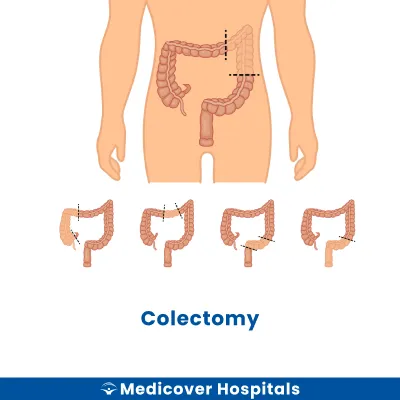
A colectomy is a surgical procedure involving the removal of all or part of the colon (large intestine). The colon is a crucial part of the digestive system, responsible for absorbing water and nutrients from food and forming stool. This surgery may involve removing a section or the entire colon, depending on the medical necessity.
Colectomy is often required for conditions like colorectal cancer, diverticulitis, inflammatory bowel disease (such as Crohn's disease or ulcerative colitis), and bowel obstruction. If left untreated, these conditions can lead to severe complications, including infection, bleeding, or even life-threatening situations. Modern surgical approaches for colectomy include laparoscopic surgery and robotic-assisted surgery, which typically offer faster recovery and less postoperative pain.
Colectomy Doctors Near You
Find skilled general surgeons for colectomy at Medicover Hospitals across India. Choose your city and book a consultation to discuss your treatment options with our experienced specialists.
Why Choose Medicover Hospitals for Colectomy?
Get a second opinion from trusted experts and makeconfident, informed decisions.
 Get Second Opinion
Complete Guide To Colectomy
Everything you need to know about the procedure, preparation, and recovery
Colectomy Surgery Indications
Doctors recommend colectomy when the colon is severely affected by disease or damage. This procedure is considered when symptoms are persistent and other treatments have not been effective.
Colon Cancer
Patients may experience unexplained weight loss, fatigue, or changes in bowel habits. Imaging and biopsy screening can reveal malignant tumours. Surgery is advised when cancer is localized and other treatments are insufficient.
Diverticulitis
Severe abdominal pain, fever, and digestive issues may occur. CT scans often show inflamed or infected pouches in the colon. Surgery is considered when recurrent episodes or complications arise despite medication.
Ulcerative Colitis
Symptoms include chronic diarrhoea, abdominal pain, and rectal bleeding. Colonoscopy may reveal extensive inflammation. Surgery is an option when medications fail to control symptoms.
Familial Adenomatous Polyposis (FAP)
Patients often have numerous polyps in the colon, detected through colonoscopy. Genetic testing confirms FAP. Colectomy is recommended to prevent cancer development.
Colonic Polyps
Large or numerous polyps can cause bleeding and discomfort. Colonoscopy identifies these growths. Surgery is necessary when polyps are high-risk or cannot be removed endoscopically.
Intestinal Obstruction
Symptoms include severe abdominal pain, vomiting, and inability to pass gas. Imaging may show a blockage in the colon. Surgery is needed when the obstruction does not resolve with conservative measures.
How to Prepare for Colectomy?
Proper preparation for a colectomy is crucial to ensure a smooth procedure and recovery. It helps reduce complications and aids in a quicker recovery.
- Medication Review: Stop NSAIDs, anticoagulants, and herbal supplements as advised by your doctor.
- Fasting: Do not eat or drink anything for at least 8 hours before the surgery.
- Bowel Preparation: Follow the prescribed bowel cleansing routine to clear your intestines.
- Clothing: Wear loose, comfortable clothing on the day of the surgery.
- Transportation: Arrange for someone to drive you home post-surgery.
- Medication List: Bring a list of all medications you take, including dosages.
- Health Conditions: Inform your doctor about any existing health conditions or allergies.
- Smoking and Alcohol: Avoid smoking and alcohol for a few days before the surgery.
Colectomy Surgery (Step-by-Step)
Colectomy is performed by general surgeons. The procedure typically lasts 2-4 hours. It requires general anaesthesia to ensure the patient is asleep and pain-free.
- Preparation: The patient is given general anaesthesia. The surgical area is cleaned and sterilised.
- Incision: A small incision (1-2 cm) is made in the abdomen. For laparoscopic colectomy, several small incisions are used.
- Accessing the Colon: A laparoscope is inserted through the incision. This instrument helps the surgeon view the colon on a screen.
- Resection: Using a harmonic scalpel, the surgeon carefully removes the diseased part of the colon. Bipolar cautery may be used to control bleeding.
- Reconnection: The healthy ends of the colon are reconnected. This is called anastomosis. In some cases, a temporary stoma may be created.
- Closure: The incisions are closed with sutures or staples. A dressing is applied to protect the area.
- Recovery: The patient is moved to a recovery room. They are monitored as they wake up from anaesthesia.
Who Performs Colectomy Surgery?
Colectomy is performed by general surgeons or colorectal surgeons. These specialists have expertise in surgeries involving the colon and rectum. They are trained to handle complex procedures and ensure safe outcomes. Please contact the hospital for current details as insurance panels may change.
Recovery After Colectomy Surgery
Recovery from colectomy surgery varies for each person. Initially, you may experience discomfort and fatigue. It's important to follow your doctor's advice and give your body time to heal.
Day 1-3:
- Hospital stay is common. Pain management and monitoring are priorities.
- Start with clear liquids. Gradually introduce soft foods like soups and broths.
Day 4-7:
- Transition to a low-fibre diet. Include foods like curd, dal-rice, and khichdi.
- Short walks are encouraged to improve circulation and digestion.
Week 2-4:
- Gradually reintroduce regular foods. Opt for easily digestible options like moong dal and soft vegetables.
- Avoid heavy lifting and strenuous activities. Light household tasks are permissible.
- Most patients can return to work or school by the end of this phase, depending on recovery progress.
Month 1-3:
- Resume normal diet, but continue to avoid high-fibre and spicy foods if advised.
- Regular exercise can be resumed, but consult your doctor for specific guidelines.
When to Seek Urgent Help:
- Severe abdominal pain or swelling.
- Fever above 100.4?F (38?C).
- Persistent nausea or vomiting.
- Signs of infection at the incision site, such as redness or discharge.
- Changes in bowel habits or inability to pass gas or stool.
Benefits of Colectomy Surgery
Colectomy surgery can offer significant health improvements for individuals with certain conditions affecting the colon.
- Symptom Relief: Alleviates symptoms associated with conditions like ulcerative colitis and Crohn's disease.
- Cancer Prevention: Reduces the risk of colon cancer in patients with hereditary conditions like familial adenomatous polyposis.
- Improved Quality of Life: Enhances daily living by reducing pain and discomfort.
- Restoration of Health: Helps in managing severe infections or blockages in the colon.
Risks and Complications of Colectomy Surgery
While colectomy is generally safe, it carries potential risks and complications.
- Common - Infection: Risk of infection at the surgical site or within the abdomen.
- Common - Bleeding: Possibility of bleeding during or after the procedure.
- Common - Bowel Obstruction: Scar tissue can lead to future blockages.
- Rare - Anastomotic Leak: Leakage at the site where the bowel is reconnected.
- Rare - Blood Clots: Increased risk of clots forming in the legs or lungs.
- Rare - Nutritional Deficiencies: Potential for malabsorption issues post-surgery.
Cost of Colectomy Surgery
The cost of colectomy surgery at Medicover Hospitals ranges from Rs. 69,500 to Rs. 310,000, depending on the ward category chosen. Prices vary across different ward types, offering options to suit various preferences and budgets.
We ensure transparent pricing and provide support for insurance and TPA, including CGHS, ESI, and major TPAs. A cashless facility is also available for added convenience. Please contact the hospital for the latest insurance panel details as these may change periodically.
Frequently Asked Questions
1. How much does Colectomy surgery cost?
Colectomy surgery costs range from Rs. 69,500 to Rs. 310,000 at Medicover Hospitals, depending on the type and facility chosen.
2. Is Colectomy surgery covered under insurance?
Colectomy surgery may be covered under CGHS, ESI, and major TPAs with cashless options. Please contact the hospital for current panel details.
3. Will I need a colostomy bag after Colectomy?
Some patients may require a temporary or permanent colostomy bag after Colectomy. This depends on the extent of colon removal and healing.
4. Can I eat spicy food after Colectomy?
Avoid spicy foods initially after Colectomy to prevent irritation. Gradually reintroduce mild foods like curd, dal-rice, and khichdi.
5. How soon can I return to work post-Colectomy?
Most patients can return to work within 4-6 weeks after Colectomy. Recovery time may vary based on individual health and job demands.
6. Will Colectomy affect my bowel movements?
Colectomy can alter bowel habits, leading to more frequent or loose stools. This change is often temporary as the body adjusts.
7. Can Colectomy lead to infection?
Infection is a potential complication after Colectomy. Proper wound care and monitoring for fever or redness can help prevent it.
8. What is the survival rate of colectomy surgery?
Colectomy surgery has a high survival rate, especially when performed for non-cancer conditions or early-stage disease. Outcomes depend on factors like overall health, age, and the underlying condition such as Colon cancer.
9. What is life like after a colectomy?
Life after a colectomy is generally normal, though bowel habits may change depending on how much of the colon is removed. Most patients recover well and gradually return to daily activities with proper diet and medical guidance.
10. How long does colectomy surgery take?
Colectomy surgery typically takes about 2 to 4 hours, depending on the complexity and surgical approach used. Minimally invasive techniques may reduce surgery time and support faster recovery.


