 Call
Call Patient Reports
Best Hospital for Chemotherapy for Colorectal Cancer with Advanced Oncology Care
At Medicover Hospitals, our oncologists, with qualifications like MS, DNB, MCh, and DM, offer chemotherapy for colorectal cancer using advanced laparoscopic techniques. This approach ensures smaller incisions and reduced blood loss, contributing to a shorter hospital stay for patients across India.
Expert Specialists
Yearly Treatments
Patient Satisfaction
What is Chemotherapy for Colorectal Cancer?
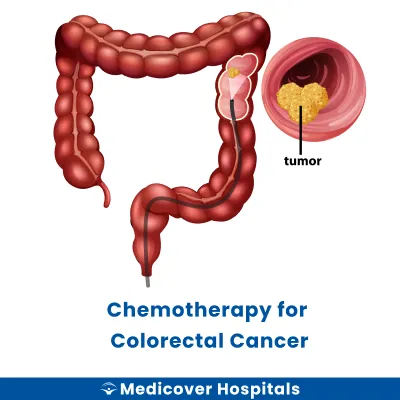
Chemotherapy for colorectal cancer involves using drugs to destroy cancer cells in the colon or rectum. The colon and rectum are parts of the large intestine. Chemotherapy can be administered orally or intravenously (through a vein). It targets cancer cells that may have spread beyond the initial tumour site. This treatment can be used alone or in combination with other therapies like surgery or radiation.
Chemotherapy is needed when colorectal cancer is diagnosed. It helps in shrinking tumours, preventing spread, or eliminating remaining cancer cells post-surgery. If untreated, colorectal cancer can progress, leading to severe complications or metastasis (spread to other organs). Modern approaches include targeted therapy and immunotherapy, which focus on specific cancer cell characteristics, enhancing treatment effectiveness.
Chemotherapy for Colorectal Cancer Doctors Near You
Find experienced oncologists for colorectal cancer chemotherapy at Medicover Hospitals across India. Choose your city and book a consultation to discuss personalised treatment options today.
Why Choose Medicover Hospitals for Chemotherapy for Colorectal Cancer?
Get a second opinion from trusted experts and makeconfident, informed decisions.
 Get Second Opinion
Complete Guide To Chemotherapy For Colorectal Cancer
Everything you need to know about the procedure, preparation, and recovery
Chemotherapy for Colorectal Cancer procedure Indications
Doctors recommend chemotherapy for colorectal cancer when the disease has progressed beyond the early stages. It is often used to shrink tumours, manage symptoms, or as an adjunct to surgery and radiation.
Advanced Stage Cancer
Patients may experience persistent abdominal pain, weight loss, or changes in bowel habits. Imaging and scans reveal cancer has spread beyond the colon or rectum. When surgery alone cannot remove all cancer, chemotherapy becomes necessary.
Metastatic Cancer
Symptoms like fatigue, jaundice, or unexplained weight loss may occur. Tests show cancer has spread to other organs such as the liver or lungs. Chemotherapy is recommended when localised treatments are insufficient.
Post-Surgical Residual Cancer
After surgery, patients might still have microscopic cancer cells. Pathology reports confirm incomplete tumour removal. Chemotherapy helps eliminate remaining cancer cells to prevent recurrence.
Recurrent Cancer
Patients may notice symptoms returning after initial treatment. Follow-up scans and tests indicate cancer has returned. Chemotherapy is advised when recurrence is detected, especially if surgery is not viable.
Neoadjuvant Therapy
Patients may have large tumours causing bowel obstruction or bleeding. Imaging shows tumours are too large for immediate surgery. Chemotherapy is used to shrink tumours before surgical intervention.
How to Prepare for Chemotherapy for Colorectal Cancer?
Preparation is crucial for chemotherapy to ensure the treatment is effective and to manage side effects. Proper planning can help ease the process and improve outcomes.
- Medication Review: Inform your doctor about all medications. Stop NSAIDs, anticoagulants, and herbal supplements as advised.
- Fasting Guidelines: Follow the fasting instructions provided by your healthcare team, typically 6-8 hours before treatment.
- Bowel Preparation: Complete any bowel prep as directed to ensure the colon is clear for treatment.
- Comfortable Clothing: Wear loose, comfortable clothes to your appointment for ease during and after the session.
- Transport Arrangements: Arrange for someone to drive you home post-treatment, as you may feel fatigued.
- Medication List: Bring a list of all medications, including dosages, to share with your healthcare team.
- Hydration: Stay well-hydrated before your session, unless instructed otherwise by your doctor.
- Emotional Support: Consider bringing a friend or family member for support during your appointment.
Chemotherapy for Colorectal Cancer procedure (Step-by-Step)
Chemotherapy for colorectal cancer is performed by experienced oncologists. The duration varies based on the treatment plan, typically lasting a few hours per session. Anaesthesia is not required as it is a non-surgical procedure.
- Consultation and Planning: The oncologist discusses the treatment plan with the patient. This includes the type of chemotherapy drugs, schedule, and expected outcomes.
- Preparation: Before the session, the patient may undergo blood tests. A nurse checks vital signs. The patient is seated comfortably in a chair or bed.
- Intravenous Access: A nurse inserts a thin needle into a vein, usually in the arm. This is connected to an IV line for drug administration. Patients may feel a slight pinch.
- Drug Administration: Chemotherapy drugs are infused through the IV line. This process can take several hours. Patients can read, watch TV, or rest during this time.
- Monitoring: The medical team monitors the patient for any immediate reactions. Patients should report any discomfort or unusual feelings.
- Completion: Once the infusion is complete, the IV line is removed. Patients may feel tired or have mild side effects.
- Post-Treatment Care: Patients receive instructions for managing side effects at home. Follow-up appointments are scheduled to monitor progress.
Who performs the chemotherapy for the colorectal cancer procedure?
An oncologist, a specialist in cancer treatment, performs chemotherapy for colorectal cancer. They work with a team of nurses and support staff to ensure the procedure is conducted safely and effectively.
Recovery After Chemotherapy for Colorectal Cancer Procedure
Recovering from chemotherapy treatment for colorectal cancer involves managing side effects and gradually returning to daily activities. Each person's recovery is unique, and it's important to follow your doctor's advice.
Day 1-3:
- Rest is crucial. You may feel fatigued and need more sleep.
- Stick to light meals. Opt for easily digestible foods like curd, dal-rice, and soups.
- Stay hydrated. Drink plenty of water and herbal teas.
Day 4-7:
- Continue with a balanced diet. Include khichdi and moong dal for protein and energy.
- Light activities like short walks can help improve energy levels.
- Avoid crowded places to reduce infection risk.
Day 8-14:
- Gradually increase activity levels as tolerated.
- Return to work or school might be possible, depending on how you feel.
- Maintain a nutritious diet. Include fruits and vegetables to boost immunity.
Phase 3 (Week 3 and beyond):
- Most side effects should begin to subside.
- Regular activities can be resumed, but listen to your body and rest when needed.
- Continue following dietary recommendations to support recovery.
When to Seek Urgent Help
- High fever or chills, indicating possible infection.
- Severe nausea or vomiting, leading to dehydration.
- Unusual bleeding or bruising.
- Persistent diarrhoea or constipation.
- Shortness of breath or chest pain.
If you experience any of these symptoms, contact your healthcare provider immediately.
Benefits of Chemotherapy for Colorectal Cancer Procedure
Chemotherapy is a common treatment for colorectal cancer, offering several potential benefits.
- Tumour Reduction: Helps shrink tumours, making them easier to remove surgically.
- Prevention of Spread: Aims to prevent cancer from spreading to other parts of the body.
- Symptom Relief: Can alleviate symptoms like pain and discomfort caused by tumours.
- Improved Survival Rates: May increase the chances of survival when combined with other treatments.
Risks and Complications of Chemotherapy for Colorectal Cancer Procedure
While chemotherapy can be effective, it also carries certain risks and potential complications.
- Common: Nausea and vomiting are frequent side effects.
- Common: Fatigue and weakness often occur during treatment.
- Common: Hair loss can be distressing for many patients.
- Rare: Risk of infection due to lowered white blood cell counts.
- Rare: Allergic reactions to chemotherapy drugs.
- Rare: Long-term effects on organs such as the heart or kidneys.
Cost of Chemotherapy for Colorectal Cancer procedure
The cost of chemotherapy for colorectal cancer at Medicover Hospitals ranges from Rs. 98,000 to Rs. 432,000. The price varies based on the ward category chosen, such as day care, general, or private rooms. We offer transparent pricing to ensure clarity for our patients.
Insurance and TPA support, including CGHS, ESI, and major TPAs, are accepted. Cashless facility is available for added convenience. Please contact the hospital for the latest insurance panel details as these may change periodically.
Frequently Asked Questions
1. How much does Chemotherapy for Colorectal Cancer procedure cost at Medicover Hospitals?
The cost for Chemotherapy for Colorectal Cancer at Medicover Hospitals ranges from Rs. 98,000 to Rs. 432,000, depending on the type of care and room chosen.
2. Is Chemotherapy for Colorectal Cancer procedure covered under health insurance at Medicover?
Chemotherapy for Colorectal Cancer is usually covered by CGHS, ESI, and major TPAs. Please contact the hospital for current panel details.
3. Will chemotherapy affect my bowel habits?
Chemotherapy for colorectal cancer may cause changes in bowel habits, such as diarrhoea or constipation. Discuss any concerns with your oncologist for management strategies.
4. Can I eat spicy food during chemotherapy?
It's advisable to avoid spicy foods like chilli and masala during chemotherapy for colorectal cancer. Opt for bland options like dal-rice and khichdi to ease digestion.
5. Will I need a colostomy bag after chemotherapy?
Chemotherapy alone typically does not require a colostomy bag. However, discuss your treatment plan with your doctor to understand any surgical needs.
6. How does chemotherapy affect colorectal cancer recovery?
Chemotherapy can slow recovery due to side effects like fatigue and nausea. Follow your doctor's advice to manage symptoms and improve recovery.
7. Can chemotherapy cause rectal bleeding?
Chemotherapy for colorectal cancer may cause rectal bleeding as a side effect. Report any bleeding to your healthcare provider immediately for assessment.
8. Is chemo worth it for stage 4 colon cancer?
Chemotherapy can be worthwhile for many patients, as it helps control the disease, reduce symptoms, and improve survival and quality of life. The benefit varies depending on overall health and how the cancer responds to treatment.
9. What is the new treatment for stage 4 colon cancer?
Newer treatments include targeted therapy and immunotherapy, which are often used along with chemotherapy. These treatments focus on specific cancer pathways or boost the immune system to fight cancer more effectively.
10. Can you survive colon cancer?
Yes, survival is possible, especially with early detection. Even in advanced stages, many patients can live longer with proper treatment, and outcomes continue to improve with newer therapies.


