What is Breast Augmentation Surgery?
Breast augmentation, also known as augmentation mammoplasty, is a cosmetic procedure designed to enhance breast size, shape, and symmetry. It involves placing implants or using fat transfer to achieve the desired aesthetic outcome.
This surgery is ideal for women who want to:
- Increase naturally small breast size
- Restore lost volume after pregnancy or weight loss
- Correct breast asymmetry
- Enhance body proportions and self-confidence
Types of Breast Augmentation
- Saline Implants: These implants are filled with sterile saltwater and can be customized for size during the surgery. If they rupture, they are less likely to leak.
- Silicone Implants: Filled with a silicone gel that feels more like natural breast tissue. These are popular for their realistic feel and appearance.
- Gummy Bear Implants: These silicone implants are of a thicker, cohesive gel that keeps its shape even upon rupture of the implant shell.
- Fat Transfer: This involves removing fat from another part of your body (e.g., thighs or abdomen) and injecting it into the breasts for a more natural augmentation.
- Round Implants: These implants provide fullness to the top of the breast and are ideal for individuals seeking more volume.
- Teardrop (Anatomical) Implants: Shaped like a natural breast, with more volume at the bottom and a gentle slope, offering a more natural look.
1-2 Hours
Surgery Duration
General Anesthesia
Anesthesia Used
Same Day or 1 Night Stay
Hospital Stay
4-6 Weeks
Full Recovery Timeline
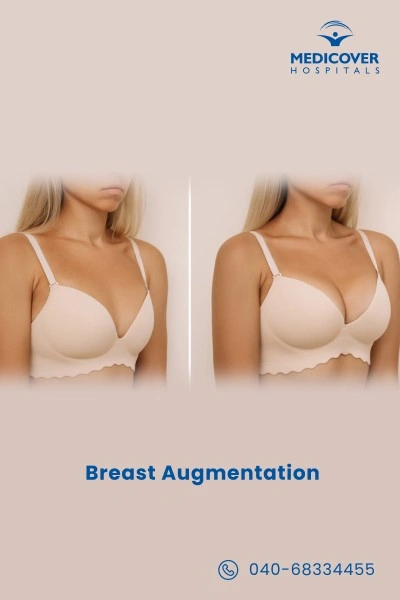
When is Breast Augmentation Recommended?
Breast augmentation is usually suggested for women who want to improve the shape, size, or symmetry of their breasts. The indications of breast augmentation include:
- Small Breast Size: Individuals with naturally small breasts who desire larger breasts for improved proportions and enhanced self-confidence.
- Loss of Volume: Women who have experienced loss of breast volume due to factors such as pregnancy, breastfeeding, or significant weight loss.
- Asymmetry: Those with noticeable breast asymmetry (one breast significantly smaller than the other) seek breast augmentation to achieve better balance and symmetry.
- Cosmetic Enhancement: Individuals who want to enhance their overall appearance and achieve the desired breast shape and size.
- Body Image Concerns: Individuals who feel self-conscious or dissatisfied with the appearance of their breasts and wish to boost their self-esteem.
- Reconstruction After Mastectomy: Breast augmentation can be part of breast reconstruction for individuals who have undergone mastectomy (breast removal) due to breast cancer.
Preparing for Breast Augmentation Surgery
Preparing for breast augmentation surgery involves a combination of physical, emotional, and logistical preparations to ensure a smooth and successful procedure and recovery.
Here's a complete guide on how to prepare for breast augmentation:
- Consultation: Meet with a board-certified plastic surgeon to discuss your goals, expectations, and medical history.
- Medical Evaluation: Undergo tests and exams to ensure you're healthy for surgery.
- Stop Smoking: Quit or reduce smoking before surgery to promote healing.
- Medications: Your doctor may adjust or stop certain medicines like blood thinners.
- Pre-Surgery Instructions: Fasting for a few hours before surgery and arranging someone to drive you home after the procedure.
- Home Preparation: Keep loose, comfortable clothing ready and set up a rest area with pillows and essentials for recovery.
Procedure Steps for Breast Augmentation Surgery
To prepare for your breast augmentation procedure, your surgeon may provide specific instructions customised to your individual needs.
Some general preparation guidelines include:
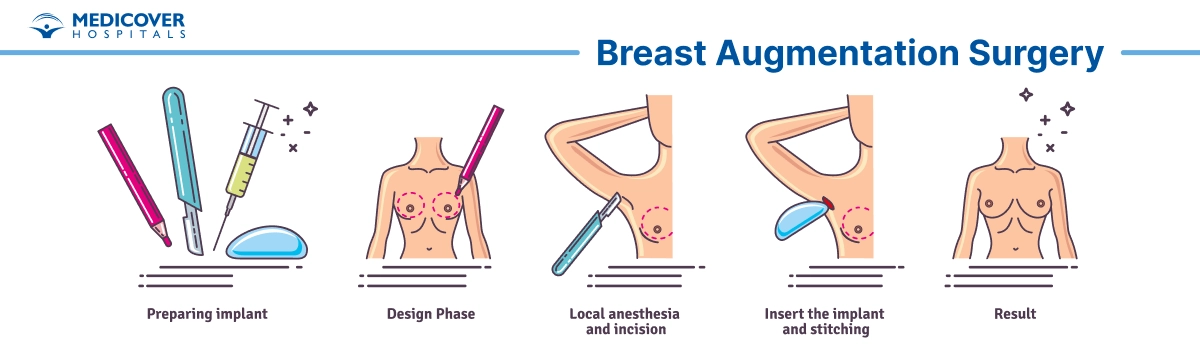
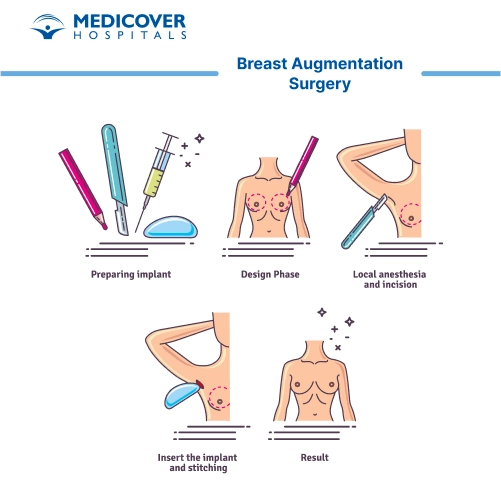
- Anesthesia: Informed consent is obtained, and general anesthesia is administered for comfort during the procedure.
- Incision: The surgeon makes a small cut in one of these areas: under the breast, around the nipple, or in the armpit, depending on what suits you best.
- Implant Placement: The breast implant (saline or silicone) is inserted either under the breast tissue or beneath the chest muscle for a natural look.
- Adjustments: The surgeon ensures the implants are positioned correctly and look balanced.
- Closing the Incision: Stitches or surgical tape are used to close the cut.
- Bandaging: The breasts are covered with a dressing or support bra to protect and aid healing.
The surgery usually takes 1 to 2 hours, and most patients can go home the same day after observation.
Who Performs Breast Augmentation Surgery?
Breast augmentation is a surgical procedure performed by qualified plastic surgeons, cosmetic surgeons, and, in some cases, general surgeons. When considering this procedure, choosing a board-certified plastic surgeon with expertise in breast augmentation is essential.
Recovery After Breast Augmentation Surgery
Recovery after breast augmentation surgery is a gradual process that requires patience, dedication, postoperative instructions and self-care to ensure a smooth healing journey.
Here's what to expect during the recovery after breast augmentation surgery:
- Immediate Recovery: You may feel soreness, swelling, and tightness in the chest for the first few days. Pain medicine prescribed by your doctor will help manage discomfort.
- First Week: Most patients can return to light activities within 3-5 days but should avoid lifting heavy objects or strenuous exercise.
- Support Bra: Wearing a special support bra helps reduce swelling and keeps the implants in position.
- 2-4 Weeks: Swelling and bruising begin to settle. You can resume most daily activities, but high-impact workouts should still be avoided.
- 6 Weeks and Beyond: The implants start settling into place, and you can usually return to normal activities, including exercise, as advised by your surgeon.
- Final Results: It may take a few months for the breasts to soften and look natural.
Regular follow-up appointments with your surgeon are essential to track healing and ensure there are no complications.
Lifestyle Changes After Breast Augmentation Surgery
After breast augmentation surgery, certain lifestyle changes and considerations are important to support your recovery, promote healing, and maintain the long-term results of the procedure.
Here are some lifestyle changes to keep in mind:
- Follow Post-Surgery Instructions: Take prescribed medicines, care for the incision area, and attend follow-up appointments.
- Limit Physical Strain: Avoid heavy lifting, strenuous exercise, or sudden chest movements until your doctor allows.
- Wear Supportive Bras: Use a well-fitted surgical bra or sports bra to support healing and maintain breast shape.
- Sleep Position: Sleep on your back with support pillows to avoid pressure on the chest during the recovery phase.
- Maintain a Healthy Lifestyle: Eat a balanced diet, stay hydrated, and avoid smoking or alcohol, as they delay healing.
- Regular Monitoring: Keep an eye on any changes in breast shape, firmness, or discomfort and report them to your surgeon.
Adopting these lifestyle changes not only speeds up recovery but also ensures the implants remain safe and results last longer.
Benefits of Breast Augmentation
- Enhanced Aesthetic Appearance: By strengthening the breasts' size, shape, and symmetry, breast augmentation can improve body image and confidence.
- Restoration of Volume: It gives the breasts a fuller, younger appearance by restoring volume lost due to aging, pregnancy, or weight loss.
- Improved Proportions: Helps some people feel more in harmony with their appearance by balancing the proportions of their entire body.
- Boosted Confidence: Many people experience a significant increase in self-esteem and self-confidence after the procedure.
- Correcting Asymmetry: It helps to correct uneven or asymmetrical breasts, creating a more balanced and natural appearance.
- Improved Clothing Fit: For people who have trouble choosing clothes because of their breast size, improved breast size and form can make it simpler to fit into a wider variety of outfits.
- Long-Lasting Results: With proper care, breast augmentation results can last many years, providing a long-term cosmetic benefit.
Risks and Complications of Breast Augmentation
Like any surgical procedure, breast augmentation comes with certain side effects and possible risks. While many women recover without problems, it's important to be aware of potential issues:
Common Side Effects
- Temporary pain, swelling, or bruising
- Tightness or discomfort in the chest
- Numbness or changes in breast or nipple sensation
- Scarring around the incision site
Possible Complications
- Infection at the surgical site
- Bleeding or blood clots
- Implant leakage or rupture
- Capsular contracture (scar tissue tightening around the implant)
- Asymmetry or unsatisfactory cosmetic results
- Reaction to anesthesia
Most of these risks are rare and can be managed with proper medical care and regular follow-up visits. Choosing an experienced surgeon greatly reduces the chances of complications.
Breast Augmentation Surgery Cost
The cost of breast augmentation surgery in India can vary depending on several factors, such as:
- Type of Implant: Silicone implants usually cost more than saline implants.
- Hospital and Location: Premium hospitals in metro cities may have higher charges compared to smaller towns.
- Surgeon's Expertise: Highly experienced plastic surgeons may charge more for their skills and precision.
- Surgical Technique: Advanced or minimally invasive techniques may influence the overall cost.
- Additional Expenses: Charges for anesthesia, medical tests, hospital stay, and follow-up consultations are also included.
On average, breast augmentation surgery in India may range from Rs. 1,50,000 to Rs. 3,00,000 or more, depending on the above factors. It's best to consult your surgeon for an accurate cost estimate tailored to your needs.
 040 68334455
 WhatsApp
 Patient Portal
 Home Care