What is Appendectomy Surgery?
Appendectomy is a common surgical procedure performed to remove the appendix when it becomes inflamed or infected (appendicitis). If untreated, the appendix can burst, leading to serious complications like peritonitis or sepsis. This life-saving surgery is usually performed as an emergency procedure and can be done using:
Types of Appendectomy
- Laparoscopic Appendectomy: Minimally invasive with smaller incisions and faster healing. Results in less pain and quicker recovery.
- Open Appendectomy: A single large incision in the lower right abdomen. Used if the appendix has ruptured or laparoscopic surgery is unsuitable.
1 to 2 Hours
Surgery Duration
General Anesthesia
Anesthesia Used
4-6 Weeks
Full Recovery Timeline
When is Appendectomy Recommended?
This surgery is recommended when the appendix becomes inflamed or infected. Common indications of appendectomy include:
- Sudden severe pain in the lower right abdomen.
- Fever, nausea, and vomiting.
- Swelling and tenderness in the belly.
- Diagnosed with acute appendicitis or suspected rupture.
- Appendiceal abscess or peritonitis.
Signs You Need Emergency Surgery
You should visit a doctor immediately if you experience these signs of appendicitis requiring an emergency appendectomy.
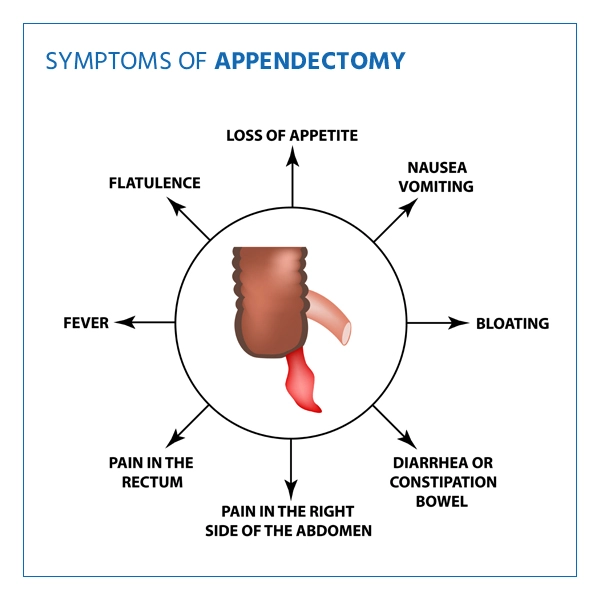
- Severe abdominal pain (especially right side)
- Fever and chills
- Nausea or vomiting
- Loss of appetite
- Abdominal bloating
- Diarrhea or constipation
- Pain near rectum
A ruptured appendix can be life-threatening. Seeking early surgery (often laparoscopic) leads to faster recovery and fewer complications.
How to Prepare for Appendectomy Surgery?
Preparing for appendectomy surgery involves a series of steps to ensure the procedure is carried out safely and effectively.
- Physical Examination: Your doctor may order blood tests, urine tests, and imaging (like an ultrasound or a CT scan) to confirm appendicitis.
- Fasting Requirement: Usually, you'll be asked not to eat or drink anything for 6-8 hours before the surgery.
- Medication Review: Inform your doctor about all medicines, supplements, or blood thinners you are taking. Some may need to be stopped or adjusted.
- Allergy Information: Tell your healthcare team if you have any allergies to medicines, anesthesia, or latex.
- Consent and IV Preparation: The surgeon will explain the procedure, risks, and benefits. Make sure to ask questions and give consent.
- Arrange Support: Have a family member or friend available to accompany you, as you may need help after discharge.
- Pre-Surgery Care: You may receive antibiotics before surgery to reduce infection risk.
What Happens During the Appendectomy Procedure?
An appendectomy involves the removal of the appendix to treat appendicitis. The appendectomy procedure can be performed using either a laparoscopic or open approach. Here's the step-by-step process for each:
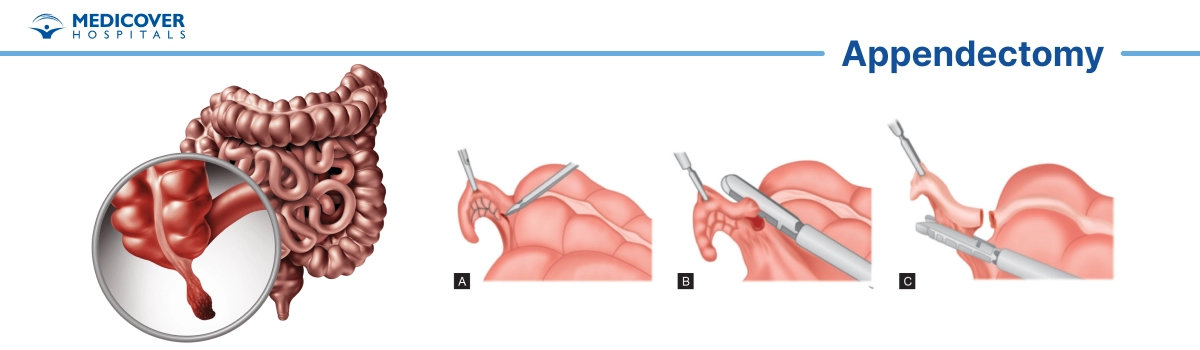
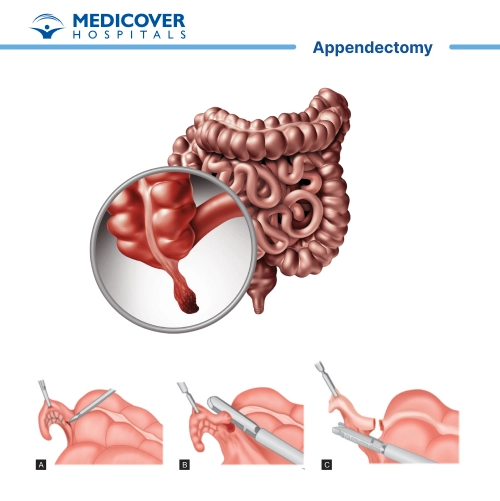
- Anesthesia: General anesthesia ensures you are asleep and pain-free.
- Incision and Access: The surgeon may perform either laparoscopic (minimally invasive method using small incisions) or open (A larger incision in the lower right abdomen) to remove appendix.
- Locating the Appendix: Identified via camera (laparoscopic) or direct view.
- Appendix Removal: The surgeon carefully detaches the appendix from surrounding tissues and removes it.
- Infection Check and Cleaning: If the appendix has ruptured, the abdominal cavity may be cleaned to prevent infection.
- Closure of Incisions: The incision(s) are closed with stitches or staples, and dressings are applied.
Who Performs an Appendectomy?
An appendectomy is performed by a general surgeon, often one who specializes in laparoscopic surgery. These surgeons have advanced training in abdominal surgeries and use specialized techniques to safely remove the inflamed appendix.
- The surgeon will explain the procedure, answer your questions, and guide you through preparation and recovery steps.
- Before surgery, an anesthesiologist will also be involved to ensure you stay comfortably asleep during the operation.
- In many hospitals, experienced surgeons or surgical teams handle appendectomies as routine emergency procedures to avoid complications like appendix rupture.
Recovery After Appendectomy
The recovery process after an appendectomy involves rest, monitoring, and following specific instructions to ensure proper healing. Here's an overview of what to expect during the appendectomy recovery period:
- Hospital Stay: Most patients go home within 1-2 days after a laparoscopic appendectomy. An open surgery or ruptured appendix may require a longer stay.
- Pain Management: Mild pain or soreness near the incision is normal and managed with pain-relief medicines.
- Activity Restrictions: Light activities can usually be resumed in 1-2 weeks after laparoscopic surgery, but full recovery from open surgery may take 3-4 weeks.
- Wound Care: Keep the surgical site clean and dry. Follow your doctor's advice on dressing changes.
- Diet After Surgery: Patients usually start with liquids and slowly return to normal food as tolerated.
- Follow-Up Appointments: Regular follow-up visits help check healing and prevent complications.
- Full Recovery Time: 1-3 weeks (laparoscopic) or 2-4 weeks (open).
Diet After Appendectomy
Here are some dietary habits you can consider for faster recovery
- Start with Clear Liquids: Gentle hydration and electrolytes.
- Shift to Soft Foods: Opt for rice, toast, and bananas for easy digestion.
- Avoid Fatty/Spicy/Heavy Foods: Prevent bloating or nausea.
- Prioritise Hydration: Drink water or herbal teas, and avoid caffeine and sugary drinks.
Benefits of Appendectomy
An appendectomy is a safe and effective surgery that offers several health advantages for patients with appendicitis. Benefits of appendectomy include:
- Prevents rupture and serious infection.
- Relieves pain and symptoms of appendicitis.
- Quick recovery with modern techniques.
- Long-term health is unaffected by appendix removal.
Risks and Complications of Appendectomy
Although appendectomy is a common procedure, complications may still occur. Some potential side effects include:
What is the Appendectomy Cost in India?
The cost of appendectomy surgery can vary depending on several factors such as the type of surgery, hospital, city, and patient's condition. Generally, there are two types of appendectomy:
- Laparoscopic Appendectomy: This modern technique uses small incisions and a camera, leading to quicker recovery. The cost usually ranges between Rs. 25,000 and Rs. 95,000 in Indian cities.
- Open Appendectomy: This traditional method involves a larger incision and can cost between Rs. 30,000 and Rs. 80,000 depending on the hospital.
On average, in cities like Hyderabad, the appendectomy cost falls roughly between Rs. 40,000 and Rs. 60,000.
 040 68334455
 WhatsApp
 Patient Portal
 Home Care