 Call
Call Patient Reports
Advanced Allogeneic Stem Cell Transplantation Hospital with Expert Care
Allogeneic Stem Cell Transplantation at Medicover Hospitals is performed using open surgical techniques. Our team includes MS, DNB, MCh, and DM qualified oncologists. This approach ensures precise treatment for various cancers. Patients often experience reduced blood loss, contributing to a smoother recovery process.
Expert Specialists
Yearly Treatments
Patient Satisfaction
What is Allogeneic Stem Cell Transplantation?
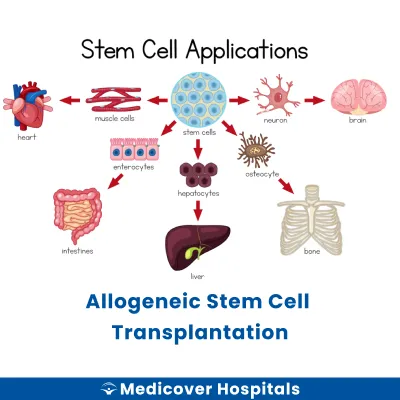
Allogeneic Stem Cell Transplantation is a medical procedure involving the transfer of stem cells from a donor to a recipient. These stem cells are usually sourced from the bone marrow, peripheral blood, or umbilical cord blood. The goal is to replace damaged or diseased bone marrow (spongy tissue inside bones) with healthy stem cells to restore normal blood cell production.
This procedure is often needed for conditions like leukaemia, lymphoma, and severe aplastic anaemia. These diseases affect blood cell production and immune function. If left untreated, they can lead to severe complications or death. Modern surgical approaches include reduced-intensity conditioning and haploidentical transplants. These methods aim to improve outcomes and reduce complications associated with the transplant process.
Allogeneic Stem Cell Transplantation Doctors Near You
Discover experienced oncologists for allogeneic stem cell transplantation at Medicover Hospitals across India. Choose your city and book a consultation to explore treatment options tailored to your needs.
Why Choose Medicover Hospitals for Allogeneic Stem Cell Transplantation?
Get a second opinion from trusted experts and makeconfident, informed decisions.
 Get Second Opinion
Complete Guide To Allogeneic Stem Cell Transplantation
Everything you need to know about the procedure, preparation, and recovery
Allogeneic Stem Cell Transplantation procedure Indications
Doctors recommend allogeneic stem cell transplantation when certain blood disorders or cancers do not respond to conventional treatments. This procedure is often considered when the patient's condition is severe and requires a more aggressive approach.
Acute Myeloid Leukaemia (AML)
Patients with AML may experience fatigue, frequent infections, and easy bruising. Blood tests show high white blood cell counts and blasts. When chemotherapy fails to achieve remission, transplantation is considered.
Chronic Myeloid Leukaemia (CML)
In CML, patients often report fatigue and weight loss. Blood tests reveal elevated white blood cells and the presence of the Philadelphia chromosome. If targeted therapies are ineffective, transplantation may be recommended.
Aplastic Anaemia
Patients with aplastic anaemia experience fatigue, shortness of breath, and increased bleeding. Blood tests show low red and white blood cell counts. When immunosuppressive therapy does not improve blood counts, transplantation is an option.
Severe Combined Immunodeficiency (SCID)
Infants with SCID suffer from recurrent infections and failure to thrive. Genetic testing confirms the diagnosis. When supportive care is insufficient, transplantation is necessary to restore immune function.
Non-Hodgkin Lymphoma
Patients may have swollen lymph nodes, fever, and night sweats. Imaging and biopsy confirm aggressive lymphoma. When chemotherapy does not lead to remission, transplantation is considered.
Myelodysplastic Syndromes (MDS)
Symptoms include fatigue and frequent infections. Blood tests show abnormal blood cell counts and bone marrow biopsy reveals dysplasia. When supportive care and medications fail, transplantation is an option.
How to Prepare for Allogeneic Stem Cell Transplantation?
Preparation is crucial for Allogeneic Stem Cell Transplantation to ensure a smooth procedure and recovery. Proper preparation can help reduce complications and improve outcomes.
- Medication Review: Stop NSAIDs, anticoagulants, and herbal supplements as advised by your doctor.
- Fasting: Do not eat or drink anything for at least 8 hours before the procedure.
- Infection Prevention: Follow any specific nasal spray or oral hygiene instructions to reduce infection risk.
- Clothing: Wear loose, comfortable clothing on the day of the procedure for ease and comfort.
- Transport: Arrange for someone to drive you home after the procedure, as you may feel weak or dizzy.
- Medication List: Bring a list of all medications you are taking, including dosages, for the medical team.
- Pre-Procedure Tests: Complete any required blood tests or imaging studies as scheduled by your healthcare provider.
- Support System: Inform family or friends about your procedure and recovery plan for additional support.
Allogeneic Stem Cell Transplantation procedure (Step-by-Step)
This procedure is performed by oncology surgery doctors. It typically lasts several hours and is done under general anaesthesia.
- Step 1: Pre-Transplant Preparation: The patient undergoes conditioning therapy. This involves chemotherapy or radiation to destroy diseased cells and suppress the immune system.
- Step 2: Stem Cell Collection: Stem cells are collected from a healthy donor. This is done using apheresis, where blood is drawn, stem cells are separated, and the rest of the blood is returned to the donor.
- Step 3: Stem Cell Infusion: The collected stem cells are infused into the patient's bloodstream through an intravenous (IV) line. This process is similar to a blood transfusion and takes a few hours.
- Step 4: Engraftment: The infused stem cells travel to the bone marrow and begin to grow and produce new blood cells. This stage can take several weeks. The patient is closely monitored for signs of engraftment.
- Step 5: Recovery and Monitoring: The patient remains in the hospital for several weeks. During this time, they are monitored for complications such as infections or graft-versus-host disease (GVHD).
Who Performs Allogeneic Stem Cell Transplantation procedure?
The procedure is performed by oncologists who specialise in haematology and stem cell transplantation. They work with a team of healthcare professionals to ensure the patient's safety and recovery. Please contact the hospital for current details as insurance panels may change.
Recovery After Allogeneic Stem Cell Transplantation procedure
Recovery from an allogeneic stem cell transplantation can be a gradual process. It involves close monitoring and adherence to specific guidelines to ensure a smooth recovery. Patients need to be cautious about infections and follow dietary and activity restrictions.
Day 1-7:
- Stay in a sterile environment to minimize infection risk.
- Focus on hydration and consume easily digestible foods like dal-rice, khichdi, and soups.
- Rest is crucial; avoid any strenuous activity.
Day 8-14:
- Continue with a soft diet, including moong dal and curd, to aid digestion.
- Begin gentle movements, like short walks, if advised by your doctor.
- Monitor for any signs of infection or complications.
Phase 3 (Week 3-6):
- Gradually reintroduce regular foods while avoiding raw or undercooked items.
- Increase activity levels slowly, but avoid crowded places.
- Discuss with your doctor about returning to work or school, typically after 6-8 weeks.
Phase 4 (Beyond 6 weeks):
- Continue following a balanced diet with foods like fresh fruits and vegetables, ensuring they are well-washed and cooked.
- Resume normal activities as tolerated, but maintain regular follow-ups.
- Stay vigilant for any late-onset complications.
When to Seek Urgent Help
- High fever or chills.
- Unusual bleeding or bruising.
- Persistent nausea or vomiting.
- Severe fatigue or weakness.
- Signs of infection like redness or swelling at any site.
Contact your healthcare provider immediately if you experience any of these symptoms.
Benefits of Allogeneic Stem Cell Transplantation procedure
Allogeneic stem cell transplantation is a treatment option for certain blood disorders and cancers. It involves using stem cells from a donor to replace damaged or diseased bone marrow.
- Potential Cure: Offers a chance for a cure in conditions like leukaemia and lymphoma.
- Donor Immune System: Provides a new immune system that may fight residual cancer cells.
- Genetic Disorders: Can correct genetic blood disorders by replacing defective cells.
- Long-term Remission: Increases the possibility of long-term remission for certain diseases.
Risks and Complications of Allogeneic Stem Cell Transplantation procedure
While allogeneic stem cell transplantation can be beneficial, it carries certain risks. It's important to understand these potential complications.
- Graft-versus-Host Disease (GVHD): Common. The donor cells may attack the recipient's body.
- Infections: Common. Increased risk due to a weakened immune system.
- Organ Damage: Rare. Possible damage to organs like the liver or lungs.
- Bleeding: Common. Due to low platelet counts post-transplant.
- Infertility: Rare. May occur as a side effect of the treatment.
- Secondary Cancers: Rare. Slightly increased risk of developing other cancers later.
Cost of Allogeneic Stem Cell Transplantation procedure
The cost of an Allogeneic Stem Cell Transplantation procedure at Medicover Hospitals ranges from Rs. 221,000 to Rs. 353,000. The price varies depending on the ward category chosen, such as outpatient, day care, general, or private suites. We offer transparent pricing to ensure clarity for our patients.
Insurance and TPA support are available, with acceptance of CGHS, ESI, and major TPAs, along with a cashless facility option. Please contact the hospital for the latest insurance panel details as these may change periodically.
Frequently Asked Questions
1. How much does Allogeneic Stem Cell Transplantation cost?
The cost ranges from Rs. 221,000 to Rs. 353,000 across Medicover Hospitals, depending on the type of room and care required.
2. Is Allogeneic Stem Cell Transplantation covered by insurance?
This procedure is often covered under CGHS, ESI, and major TPAs with cashless options. Please contact the hospital for current panel details.
3. Can graft-versus-host disease occur after this transplant?
Yes, graft-versus-host disease is a potential complication after allogeneic stem cell transplantation. It requires careful monitoring and management by your healthcare team.
4. Will I need to avoid certain foods post-transplant?
Yes, avoid raw or undercooked foods to prevent infections. Opt for well-cooked meals like dal-rice, khichdi, and curd to support recovery.
5. How long before I can return to work post-transplant?
Returning to work can take several months as recovery varies. Consult your doctor to assess your readiness based on your health condition.
6. What lifestyle changes are needed after the transplant?
Regular follow-ups and maintaining a healthy lifestyle are crucial. Avoid smoking and alcohol, and follow a balanced diet to support your recovery.
7. Will my immune system be affected after the transplant?
Yes, your immune system will be compromised initially. It's important to take precautions against infections and follow your doctor's advice closely.
8. What is the survival rate for allogeneic stem cell transplant?
The survival rate for Allogeneic stem cell transplant varies widely (around 40% to 70%) depending on the disease, patient age, donor match, and overall health. Outcomes are generally better in younger patients and when the transplant is done early in the disease course.
9. What is the difference between autologous and allogeneic stem cell transplant?
In an Autologous stem cell transplant, the patient’s own stem cells are collected and reused after treatment, reducing the risk of rejection. In an Allogeneic stem cell transplant, stem cells come from a donor, which can offer a stronger anti-cancer effect but carries risks like graft-versus-host disease.


