 Call
Call Patient Reports
Best Additional Drug Eluting Stent Procedure Hospital with Advanced Care
At Medicover Hospitals, our experienced cardiologists, holding qualifications like DM and DNB, use advanced techniques for placing additional drug-eluting stents through minimally invasive procedures. This approach often results in shorter hospital stays and quicker recovery for patients across India.
Expert Surgeons
Yearly Surgeries
Patient Satisfaction
What is Additional Drug Eluting Stent?
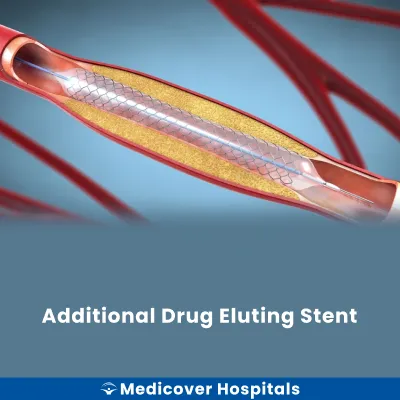
An Additional drug eluting stent is a small, mesh-like tube placed in the coronary arteries (blood vessels of the heart). It releases medication over time to prevent the artery from narrowing again. This stent helps maintain blood flow to the heart muscle, reducing the risk of heart-related complications.
This procedure is needed when arteries are blocked or narrowed due to conditions like coronary artery disease (CAD). If untreated, it can lead to chest pain (angina), heart attacks, or other serious heart conditions. Modern surgical approaches include minimally invasive techniques like percutaneous coronary intervention (PCI), which involves inserting the stent via a small incision in the groin or wrist.
Additional Drug Eluting Stent Doctors Near You
Find experienced cardiologists for additional drug eluting stent procedures at Medicover Hospitals across India. Choose your city and book a consultation to discuss your heart health needs today.
Why Choose Medicover Hospitals for Additional Drug Eluting Stent?
Get a second opinion from trusted experts and makeconfident, informed decisions.
 Get Second Opinion
Complete Guide To Additional Drug Eluting Stent
Everything you need to know about the procedure, preparation, and recovery
Additional drug eluting stent procedure Indications
Doctors recommend an additional drug eluting stent procedure when a previously placed stent is insufficient or when there is a recurrence of symptoms. This procedure helps improve blood flow in patients with specific heart conditions.
Recurrent Angina
Patients may experience chest pain or discomfort, especially during physical activity. If imaging tests reveal significant narrowing in a previously treated artery, an additional stent may be necessary. When medications and lifestyle changes do not alleviate symptoms, this procedure is considered.
Restenosis
Some patients may notice a return of symptoms like chest pain or shortness of breath. Doctors may find that a previously placed stent has narrowed again on angiography. When non-invasive treatments fail, an additional stent can help restore proper blood flow.
Stent Thrombosis
Sudden chest pain or heart attack symptoms can indicate a blood clot in a stent. An angiogram may show a blockage in the stented area. If medication does not resolve the clot, placing another stent may be recommended.
Progressive Coronary Artery Disease
Patients might experience worsening chest pain or fatigue. Tests may show new blockages in areas near a previous stent. When medical management is insufficient, an additional stent can be placed to open the artery.
In-Stent Atherosclerosis
Symptoms like chest pain may persist despite treatment. Imaging might reveal plaque buildup within a stent. If lifestyle changes and medication do not improve the condition, an additional stent may be necessary.
How to Prepare for Additional Drug Eluting Stent?
Proper preparation is crucial for the success of an additional drug eluting stent procedure. It helps minimise risks and ensures a smooth recovery. Follow these steps to prepare effectively.
- Medication Review: Stop NSAIDs, anticoagulants, and herbal supplements as advised by your doctor.
- Fasting: Fast for at least 6-8 hours before the procedure to prepare for anaesthesia.
- Medication List: Bring a list of all medications you take, including dosages, to the hospital.
- Clothing: Wear loose, comfortable clothing on the day of the procedure.
- Transportation: Arrange for someone to drive you home post-procedure.
- Hydration: Drink plenty of water the day before, but avoid any intake after the fasting period begins.
- Health Conditions: Inform your doctor of any existing health conditions or allergies.
- Relaxation: Get a good night's sleep before the procedure to help your body prepare.
Additional drug eluting stent procedure (Step-by-Step)
This procedure is performed by expert cardiologists. It typically lasts 1-2 hours and is done under local anaesthesia.
- Preparation: The patient is made comfortable on the procedure table. Local anaesthesia is administered to numb the area. A small incision, about 1-2 cm, is made in the groin or wrist.
- Accessing the Artery: A catheter is inserted through the incision using a guide wire. The catheter is carefully threaded through the blood vessels to reach the blocked artery.
- Balloon Angioplasty: A small balloon attached to the catheter is inflated at the site of the blockage. This helps widen the artery and improve blood flow.
- Stent Placement: The drug eluting stent, mounted on the balloon, is positioned at the blockage. The balloon is inflated again to expand the stent against the artery walls.
- Deployment of Stent: Once the stent is in place, the balloon is deflated and removed, leaving the stent to keep the artery open.
- Final Checks: The cardiologist uses imaging techniques to ensure the stent is properly placed. The catheter is then withdrawn.
- Closure and Recovery: The incision site is closed with a bandage. The patient is monitored for a few hours before being allowed to go home.
Who Performs Additional drug eluting stent procedure?
This procedure is performed by interventional cardiologists. They specialise in diagnosing and treating heart conditions using catheter-based techniques. Their expertise ensures the safe and effective placement of stents.
Recovery After Additional Drug Eluting Stent Procedure
Recovery after an additional drug eluting stent procedure is generally smooth. However, it is important to follow your doctor's advice to ensure optimal healing and prevent complications.
Day 1-3:
- Rest is crucial. Avoid strenuous activities.
- Stick to light meals like curd, dal-rice, and soups.
- Take prescribed medications as directed.
Day 4-7:
- Gradually increase light activities, such as walking.
- Continue with a heart-healthy diet. Include foods like khichdi and moong dal.
- Avoid lifting heavy objects.
Day 8-14:
- You may resume work or school if you feel up to it, but avoid stress.
- Maintain a balanced diet with plenty of fruits and vegetables.
- Follow up with your doctor for a check-up.
Phase 3 (Week 3-4):
- Engage in moderate physical activities as advised by your doctor.
- Continue to monitor your diet and maintain a healthy lifestyle.
- Attend any scheduled follow-up appointments.
When to Seek Urgent Help:
- Chest pain or discomfort.
- Shortness of breath.
- Excessive bleeding or swelling at the insertion site.
- Irregular heartbeat or palpitations.
Benefits of Additional drug eluting stent procedure
The additional drug eluting stent procedure offers several advantages for patients with coronary artery disease.
- Reduced Restenosis: The stent releases medication that helps prevent the artery from narrowing again.
- Improved Blood Flow: It aids in restoring normal blood flow, reducing symptoms like chest pain.
- Minimally Invasive: The procedure is less invasive compared to traditional surgery, promoting quicker recovery.
- Long-term Effectiveness: Drug eluting stents are designed to provide sustained benefits over time.
Risks and Complications of Additional drug eluting stent procedure
While generally safe, the additional drug eluting stent procedure carries certain risks and complications.
- Common: Bleeding or bruising at the catheter insertion site.
- Common: Allergic reactions to the stent material or medication.
- Rare: Blood clots forming at the stent site, potentially leading to a heart attack.
- Rare: Infection at the catheter insertion site.
- Rare: Artery damage during the procedure.
- Rare: Kidney problems due to contrast dye used in the procedure.
Cost of Additional drug eluting stent procedure
The cost of an additional drug eluting stent procedure at Medicover Hospitals ranges from Rs. 110,000 to Rs. 176,000. The price varies depending on the ward category chosen, such as General, Twin Sharing, Private, Deluxe, or Suite.
Medicover Hospitals offers transparent pricing and supports insurance and TPA services, including CGHS, ESI, and major TPAs. A cashless facility is also available for your convenience. Please contact the hospital for the latest insurance panel details as these may change periodically.
Frequently Asked Questions
1. How much does Additional drug eluting stent procedure cost at Medicover Hospitals?
The cost ranges from Rs.110000 to Rs.176000 across Medicover Hospitals, depending on the room type and facilities chosen.
2. Is Additional drug eluting stent procedure covered under health insurance at Medicover?
The procedure may be covered under CGHS, ESI, and major TPAs with cashless options. Please contact the hospital for current panel details.
3. Will I need to avoid strenuous activities post-stent?
Yes, avoid strenuous activities for a few weeks to ensure proper healing of the heart. Consult your doctor for a personalised recovery plan.
4. Can I eat spicy food after the stent procedure?
It's advisable to avoid spicy food initially. Opt for light meals like curd, dal-rice, or khichdi to aid recovery.
5. Are there any heart-related complications post-stent?
There might be a risk of restenosis or blood clots. Regular follow-ups with your cardiologist can help monitor and manage these risks.
6. How soon can I return to work after the stent?
Most patients can return to work within a week or two, depending on their recovery and job demands. Always follow your doctor's advice.
7. Will I need medication after the stent procedure?
Yes, medications like blood thinners may be prescribed to prevent clotting. Follow your doctor's prescription to ensure optimal heart health.


