 Call
Call Patient Reports
Best Hospital for ABVD Chemotherapy Procedure with Advanced Cancer Care
ABVD Chemotherapy at Medicover Hospitals is administered by skilled oncologists with qualifications like MS, DNB, MCh, and DM. This treatment uses an open surgical approach. Patients benefit from shorter hospital stays and reduced recovery times, ensuring effective cancer management across India.
Expert Specialists
Yearly Treatments
Patient Satisfaction
What is Abvd Chemotherapy?
ABVD Chemotherapy is a treatment regimen used for Hodgkin's lymphoma, a type of cancer affecting the lymphatic system. This regimen includes four drugs: Adriamycin (doxorubicin), Bleomycin, Vinblastine, and Dacarbazine. These medications work together to target and destroy cancer cells in the lymph nodes and other parts of the body.
ABVD Chemotherapy is essential for treating Hodgkin's lymphoma, which can be life-threatening if left untreated. This condition can lead to severe complications, including organ damage and compromised immune function. Modern approaches to administering ABVD Chemotherapy include intravenous infusion under medical supervision. This ensures the precise delivery of medication and monitoring of side effects. Early intervention with ABVD can significantly improve outcomes for patients.
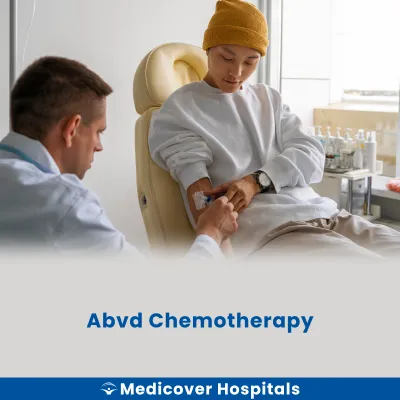
Abvd Chemotherapy Doctors Near You
Find experienced oncologists for ABVD chemotherapy at Medicover Hospitals across India. Choose your city and book a consultation to discuss your treatment options with our specialists.
Why Choose Medicover Hospitals for Abvd Chemotherapy Procedure?
Get a second opinion from trusted experts and makeconfident, informed decisions.
 Get Second Opinion
Complete Guide To Abvd Chemotherapy
Everything you need to know about the procedure, preparation, and recovery
ABVD Chemotherapy Procedure Indications
ABVD chemotherapy (Adriamycin, Bleomycin, Vinblastine, Dacarbazine) is a standard treatment used primarily for Hodgkin's lymphoma. At Medicover Hospitals, treatment is planned by an experienced oncologist based on disease stage and patient condition.
Advanced Stage Hodgkin's Lymphoma
Patients may experience persistent fatigue, unexplained weight loss, or night sweats. Imaging tests like CT or PET scans reveal widespread lymph node involvement. When these symptoms persist despite initial treatments, ABVD chemotherapy is considered.
Bulky Disease
Patients often have noticeable swelling or lumps in the neck, armpits, or groin. Scans show large lymph nodes or masses. When these masses do not reduce with other treatments, ABVD chemotherapy is recommended.
Recurrent Hodgkin's Lymphoma
Symptoms like fever, itching, and swollen lymph nodes may return after remission. Blood tests and imaging confirm the recurrence. ABVD chemotherapy is used when previous treatments are no longer effective.
Primary Treatment for Hodgkin's Lymphoma
Initial symptoms include persistent cough, chest pain, or difficulty breathing. Biopsy test and imaging confirm Hodgkin's lymphoma. ABVD chemotherapy is often the first line of treatment when these symptoms are present.
High-Risk Hodgkin's Lymphoma
Patients may show severe symptoms like significant weight loss and night sweats. Lab tests and scans indicate aggressive disease progression. ABVD chemotherapy is chosen when these high-risk factors are identified.
How to Prepare for ABVD Chemotherapy?
Preparation is crucial for the ABVD Chemotherapy procedure to ensure the treatment is effective and to minimise side effects. Proper planning can help you manage the process more comfortably.
- Medication Review: Stop NSAIDs, anticoagulants, and herbal supplements as advised by your doctor.
- Fasting Guidelines: No specific fasting required, but follow any dietary instructions given by your healthcare team.
- Hydration: Drink plenty of water before your session to stay hydrated, unless instructed otherwise.
- Comfortable Clothing: Wear loose, comfortable clothes to your appointment for ease during the treatment.
- Transportation: Arrange for someone to drive you home post-treatment, as you may feel tired.
- Medication List: Bring a list of all medications you are taking, including dosages, to share with your healthcare provider.
- Rest and Nutrition: Ensure you are well-rested and have eaten a light meal before your session.
- Support System: Consider bringing a friend or family member for emotional support during your treatment.
ABVD Chemotherapy procedure (Step-by-Step)
ABVD chemotherapy is performed by oncologists. It typically lasts several hours per session and does not require anaesthesia.
- Preparation: The patient arrives at the hospital. A nurse checks vital signs and reviews medical history. A small needle is inserted into a vein, usually in the arm, to administer the drugs.
- Drug Administration: The ABVD regimen consists of four drugs: Adriamycin, Bleomycin, Vinblastine, and Dacarbazine. These are given intravenously. The patient may feel a cold sensation as the drugs enter the bloodstream.
- Monitoring: During the infusion, medical staff monitor the patient for any adverse reactions. Patients are encouraged to report any discomfort or unusual symptoms immediately.
- Completion: Once all drugs are administered, the IV line is removed. The patient may feel tired or experience mild nausea afterward.
- Post-Procedure Care: The patient is advised to rest and stay hydrated. Follow-up appointments are scheduled to monitor progress and manage side effects.
Who Performs ABVD Chemotherapy procedure?
ABVD chemotherapy is administered by oncologists, who are specialists in cancer treatment. They work with a team of nurses and healthcare professionals to ensure the procedure is conducted safely. Oncologists have extensive training in chemotherapy protocols and patient care. They tailor treatment plans based on individual patient needs and monitor the patient's response throughout the therapy.
Recovery After ABVD Chemotherapy Procedure
Recovery from ABVD Chemotherapy varies for each person. It's important to listen to your body and follow your doctor's advice. You may experience fatigue, nausea, and other side effects. Adequate rest and nutrition are crucial during this period.
Day 1-3:
- Rest is essential. Avoid strenuous activities.
- Consume light meals like dal-rice or khichdi to ease digestion.
- Stay hydrated with water and clear soups.
Day 4-7:
- Gradually increase light activities, such as short walks.
- Include curd and moong dal in meals for protein and probiotics.
- Continue to monitor for side effects like nausea and manage with prescribed medications.
Day 8-14:
- Energy levels may improve. Resume normal activities as tolerated.
- Incorporate a balanced diet with fruits, vegetables, and whole grains.
- Consider returning to work or school if feeling well enough, but discuss with your doctor first.
Phase 3 (Week 3-4):
- Most patients can resume regular activities.
- Continue to eat a nutritious diet to support recovery.
- Attend follow-up appointments to monitor progress.
When to Seek Urgent Help:
- High fever (above 100.4°F or 38°C).
- Severe or persistent nausea and vomiting.
- Unusual bleeding or bruising.
- Shortness of breath or chest pain.
Benefits of ABVD Chemotherapy Procedure
ABVD chemotherapy is a common treatment for Hodgkin's lymphoma, offering several potential benefits.
- Effective Treatment: ABVD is known for its effectiveness in treating Hodgkin's lymphoma.
- Curative Potential: It can lead to long-term remission and a potential cure for many patients.
- Standard Protocol: ABVD is a well-established regimen with a predictable response pattern.
- Outpatient Basis: Treatment can often be administered on an outpatient basis, allowing patients to maintain daily activities.
Risks and Complications of ABVD Chemotherapy Procedure
While ABVD chemotherapy is beneficial, it also carries certain risks and potential complications.
- Common: Nausea and vomiting may occur during or after treatment.
- Common: Hair loss is a frequent side effect experienced by many patients.
- Common: Fatigue is often reported, affecting daily energy levels.
- Rare: Lung toxicity can develop, requiring monitoring and management.
- Rare: Cardiac issues may arise, particularly in patients with pre-existing heart conditions.
- Rare: Secondary cancers, though uncommon, can develop years after treatment.
Cost of ABVD Chemotherapy Procedure
The cost of the ABVD Chemotherapy procedure across Medicover Hospitals ranges from Rs. 2733 to Rs. 8227, depending on the ward category. Prices vary based on the type of accommodation chosen, such as outpatient, day care, or private rooms.
We offer transparent pricing and support for insurance and TPA, including CGHS, ESI, and major TPAs. Cashless facilities are available for your convenience. Please contact the hospital for the latest insurance panel details as these may change periodically.
Frequently Asked Questions
1. How much does ABVD Chemotherapy procedure cost at Medicover Hospitals?
The cost for ABVD Chemotherapy at Medicover Hospitals ranges from Rs.2733 to Rs.8227, depending on the facility and services provided.
2. Is ABVD Chemotherapy procedure covered under health insurance at Medicover?
ABVD Chemotherapy may be covered under health insurance by CGHS, ESI, and major TPAs. Please contact the hospital for current panel details.
3. Will ABVD Chemotherapy affect my lung function?
ABVD Chemotherapy can sometimes lead to lung-related side effects. Regular monitoring and follow-ups are essential to manage any respiratory complications.
4. Can I work during ABVD Chemotherapy treatment?
Fatigue is common during ABVD Chemotherapy, which may affect your ability to work. Discuss with your doctor to plan a suitable work schedule.
5. What dietary changes are needed during ABVD Chemotherapy?
A balanced diet including curd, dal-rice, and khichdi is recommended. Avoid raw foods and ensure proper hydration to support recovery.
6. Will ABVD Chemotherapy cause hair loss?
Hair loss is a common side effect of ABVD Chemotherapy. Hair usually regrows after the completion of the treatment cycle.
7. Can ABVD Chemotherapy cause fertility issues?
ABVD Chemotherapy may affect fertility in some patients. Discuss fertility preservation options with your doctor before starting treatment.
8. What are the side effects of ABVD chemotherapy?
Common side effects include fatigue, nausea, vomiting, hair loss, low immunity, mouth sores, and loss of appetite. Some drugs in the regimen may also affect the lungs or heart, so regular monitoring is important during treatment.
9. How bad is ABVD chemotherapy?
ABVD chemotherapy is generally considered effective and tolerable, but side effects can vary. Some patients experience mild symptoms, while others may have more noticeable fatigue, nausea, or hair loss. Doctors monitor patients closely to manage side effects.
10. What should I expect after the first chemo treatment?
After the first chemotherapy session, patients may experience fatigue, nausea, mild fever, or body aches. Some people feel normal initially, while others may notice side effects within a few days. Emotional changes and anxiety are also common.
11. What is the ABVD protocol for chemotherapy?
ABVD is a common chemotherapy regimen used to treat Hodgkin's lymphoma. It includes four drugs: Adriamycin (doxorubicin), Bleomycin, Vinblastine, and Dacarbazine. These medications work together to destroy cancer cells and are usually given in cycles over several months.


