 Call
Call Patient Reports
Abdominal Hysterectomy Surgery by Expert Gynecologists
At Medicover Hospitals, our gynecologists with qualifications such as MS, DNB, and FMAS, perform open abdominal hysterectomies. This procedure involves removing the uterus through an incision in the abdomen. Patients often experience shorter recovery times due to advanced surgical techniques used.
Expert Surgeons
Yearly Surgeries
Patient Satisfaction
What is Abdominal Hysterectomy?
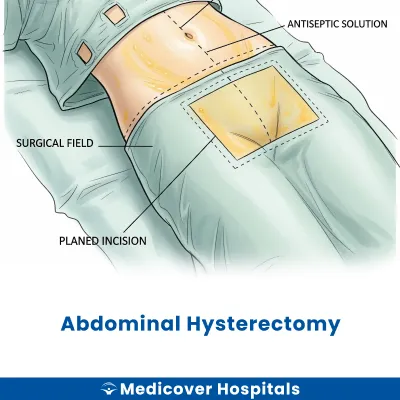
An abdominal hysterectomy is a surgical procedure to remove the uterus (womb) through an incision in the abdomen. The uterus is a vital organ in the female reproductive system, responsible for menstruation and pregnancy. This surgery may also involve the removal of other reproductive organs such as the cervix, ovaries, or fallopian tubes, depending on the medical condition.
This surgery is often needed for conditions like uterine fibroids, endometriosis, uterine prolapse, or cancer. If left untreated, these conditions can cause severe pain, bleeding, or other complications. Modern surgical approaches for abdominal hysterectomy include open surgery and minimally invasive techniques like laparoscopic or robotic-assisted surgery. These methods aim to reduce recovery time and improve outcomes.
Abdominal Hysterectomy Doctors Near You
Discover experienced gynecologists for abdominal hysterectomy at Medicover Hospitals across India. Choose your city and book a consultation to discuss your treatment options with our specialists.
Why Choose Medicover Hospitals for Abdominal Hysterectomy?
Get a second opinion from trusted experts and makeconfident, informed decisions.
 Get Second Opinion
Complete Guide To Abdominal Hysterectomy
Everything you need to know about the procedure, preparation, and recovery
Abdominal Hysterectomy Surgery Indications
Doctors recommend an abdominal hysterectomy procedure when other treatments have not relieved symptoms. This procedure is often considered when conditions affect the uterus and cause significant discomfort or health risks.
Uterine Fibroids
Patients may experience heavy menstrual bleeding, pelvic pain, or pressure. Imaging tests like ultrasounds reveal large or multiple fibroids. When medications and other treatments fail, surgery may be necessary.
Endometriosis
Severe pelvic pain and irregular bleeding are common symptoms. Laparoscopy or imaging may show endometrial tissue outside the uterus. If hormonal treatments do not help, surgery is often recommended.
Uterine Prolapse
Symptoms include a feeling of heaviness in the pelvis and urinary issues. Physical exams show the uterus has descended into the vaginal canal. When pelvic floor exercises and pessaries are ineffective, surgery may be needed.
Chronic Pelvic Pain
Persistent pain that affects daily activities is a key symptom. Diagnostic tests may not always show clear causes. When pain management and other treatments fail, surgery might be considered.
Abnormal Uterine Bleeding
Patients report prolonged or excessive bleeding. Blood tests and ultrasounds may not reveal a clear cause. If medication and other interventions do not control bleeding, surgery could be the solution.
How to Prepare for Abdominal Hysterectomy?
Proper preparation for an abdominal hysterectomy can help ensure a smoother surgery and recovery. It is important to follow your doctor's instructions closely to minimise risks and complications.
- Medication Review: Stop NSAIDs, anticoagulants, and herbal supplements as advised by your doctor.
- Fasting: Do not eat or drink anything for at least 8 hours before the surgery.
- Bowel Preparation: Follow any bowel prep instructions given by your healthcare provider.
- Clothing: Wear loose, comfortable clothing on the day of the surgery for ease and comfort.
- Transport Arrangement: Arrange for someone to drive you home after the procedure.
- Medication List: Bring a list of all medications you take, including dosages, to the hospital.
- Pelvic Floor Exercises: Practice pelvic floor exercises if recommended by your doctor.
- Pre-Surgery Instructions: Follow any additional pre-surgery instructions provided by your healthcare team.
Abdominal Hysterectomy Surgery (Step-by-Step)
Overview: An abdominal hysterectomy is performed by gynecologists. The surgery typically lasts 1-3 hours. It is usually done under general anaesthesia, ensuring the patient is asleep and pain-free during the procedure.
- Preparation: The patient is positioned on the operating table. An intravenous (IV) line is started for fluids and medications. Monitoring devices are attached to track vital signs.
- Incision: A horizontal or vertical incision, about 10-15 cm, is made on the lower abdomen. This provides access to the uterus.
- Accessing the Uterus: The surgeon uses retractors to hold back the skin and tissue. Instruments like a harmonic scalpel are used to carefully cut and cauterize tissues, minimizing bleeding.
- Detaching the Uterus: The uterus is separated from surrounding structures. Ligaments and blood vessels are carefully cut and sealed using bipolar cautery.
- Removal of the Uterus: The uterus is gently removed through the incision. If necessary, a curette may be used to ensure all tissue is cleared.
- Closure: The incision is closed in layers using sutures or staples. A sterile dressing is applied to protect the wound.
- Recovery: The patient is moved to a recovery room. Vital signs are monitored as they wake from anaesthesia. Pain management is provided as needed.
Who Performs Abdominal Hysterectomy Surgery?
Abdominal hysterectomy is performed by gynecologists. These specialists have expertise in female reproductive health and surgical procedures related to the uterus and other pelvic organs.
Recovery After Abdominal Hysterectomy Surgery
Recovering from an abdominal hysterectomy takes time and patience. You may experience discomfort and fatigue initially, but these will gradually improve. Following your doctor's advice is crucial for a smooth recovery.
Day 1-3:
- Rest is essential. Avoid strenuous activities.
- Start with a liquid diet. Include clear soups and gradually introduce soft foods like khichdi and dal-rice.
- Short walks around your room can aid circulation.
Day 4-7:
- Gradually increase activity levels, but avoid lifting heavy objects.
- Incorporate light, nutritious meals such as moong dal and curd.
- Continue with short walks to prevent blood clots.
Week 2-4:
- Most daily activities can be resumed, but avoid strenuous exercise.
- Focus on a balanced diet with plenty of fruits, vegetables, and proteins.
- Return to work or school may be possible, depending on your comfort and doctor's advice.
Week 5-6:
- Gradually reintroduce more physical activities, but listen to your body.
- Continue with a healthy diet to support healing.
- Consult your doctor before resuming any vigorous exercise or heavy lifting.
When to Seek Urgent Help
- Severe pain not relieved by medication.
- Heavy bleeding or unusual discharge.
- Fever or signs of infection at the incision site.
- Difficulty in urination or bowel movements.
Benefits of Abdominal Hysterectomy Surgery
An abdominal hysterectomy is a surgical procedure to remove the uterus, offering several health benefits for women with specific conditions.
- Symptom Relief: Effectively alleviates symptoms of uterine fibroids, endometriosis, and chronic pelvic pain.
- Cancer Prevention: Reduces the risk of uterine and ovarian cancers in some cases.
- Improved Quality of Life: Eliminates heavy menstrual bleeding and associated discomfort.
- Permanent Solution: Provides a definitive solution for conditions unresponsive to other treatments.
Risks and Complications of Abdominal Hysterectomy Surgery
While generally safe, abdominal hysterectomy carries certain risks and potential complications.
- Common: Infection at the surgical site.
- Common: Blood loss during surgery, possibly requiring a transfusion.
- Rare: Injury to surrounding organs such as the bladder or bowel.
- Rare: Blood clots in the legs or lungs.
- Rare: Adverse reactions to anaesthesia.
- Rare: Long-term pelvic pain or changes in sexual function.
Cost of Abdominal Hysterectomy Surgery
The cost of abdominal hysterectomy surgery at Medicover Hospitals ranges from Rs. 40,000 to Rs. 1,50,000. The price varies based on the ward category chosen, such as day care, general, or private rooms. We offer transparent pricing and support for insurance and TPA, including CGHS, ESI, and major TPAs. Cashless facilities are also available for your convenience. Please contact the hospital for the latest insurance panel details as these may change periodically.
Frequently Asked Questions
1. How much does Abdominal Hysterectomy cost?
The cost of Abdominal Hysterectomy at Medicover Hospitals ranges from Rs. 40,000 to Rs. 1,50,000 depending on the type of room and care.
2. Is Abdominal Hysterectomy covered by insurance?
Abdominal Hysterectomy may be covered by CGHS, ESI, and major TPAs. Please contact the hospital for current panel details.
3. Will I experience menopause after hysterectomy?
If your ovaries are removed during the hysterectomy, you may experience menopause. Otherwise, you will not enter menopause immediately.
4. How long before I can lift heavy objects?
It is advisable to avoid lifting heavy objects for at least 6 weeks after an Abdominal Hysterectomy to ensure proper healing.
5. Will I need hormone replacement therapy?
You may need hormone replacement therapy if your ovaries are removed during the procedure. Consult your doctor for personalized advice.
6. Can I eat spicy food after hysterectomy?
It's best to avoid spicy food initially and opt for light meals like dal-rice and khichdi. Gradually reintroduce spices as your recovery progresses.
7. What are common complications of hysterectomy?
Common complications include infection and bleeding. Discuss any concerns with your doctor to understand the risks and management options.


