 Call
Call Patient Reports
Uro Oncology Doctors in Hyderabad

Dr Vipin Reddy Bekkem

Dr Sreeniketh Reddy
- Experienced uro oncologists specialising in the diagnosis and treatment of urological cancers.
- Advanced diagnostic facilities for detailed cancer evaluation and staging.
- Robotic-assisted, laparoscopic, and minimally invasive surgical options when clinically appropriate.
- Multidisciplinary coordination with medical oncology, radiation oncology, radiology, pathology, and rehabilitation teams.
- Individualized treatment plans based on tumour characteristics and disease stage.
- Comprehensive support throughout diagnosis, treatment, recovery, and follow-up.
- Structured surveillance to monitor treatment response and possible recurrence.
- Focus on preserving urinary function, sexual health, and overall quality of life.
- Prostate cancer.
- Kidney cancer.
- Bladder cancer.
- Testicular cancer.
- Penile cancer.
- Adrenal gland tumours.
- Upper urinary tract cancer.
- Ureteral cancer.
- Renal pelvic cancer.
- Recurrent urological cancers.
- Blood in the urine or persistent urinary changes.
- Difficulty starting or maintaining urination.
- Persistent changes in urinary frequency or flow.
- Unexplained pain in the back, side, pelvis, or lower abdomen.
- Unusual swelling or a lump involving the testicle.
- Abnormal PSA levels or prostate-related findings.
- Unexplained weight loss or persistent fatigue.
- Abnormal findings on urinary tract imaging.
- A biopsy or diagnostic test indicating possible cancer.
- Robotic-Assisted Urological Cancer Surgery: Minimally invasive robotic procedures may be used for selected cancers to support precise tumour removal.
- Radical Prostatectomy: Surgical removal of the prostate gland may be recommended for suitable patients with prostate cancer.
- Partial Nephrectomy: Removal of a kidney tumour while preserving healthy kidney tissue whenever clinically appropriate.
- Radical Nephrectomy: Removal of the affected kidney for selected kidney cancers based on tumour characteristics and disease extent.
- Radical Cystectomy: Surgical removal of the urinary bladder for selected cases of muscle-invasive bladder cancer, with urinary reconstruction when required.
- Retroperitoneal Lymph Node Dissection: Surgical removal of selected lymph nodes for appropriate patients with testicular cancer.
- Bladder Preservation Treatment: Selected patients may receive a combination of appropriate surgery, chemotherapy, and radiation as part of a bladder-preserving treatment strategy.
- Minimally Invasive Cancer Procedures: Laparoscopic approaches may be considered for selected urological cancer surgeries.
- Robotic-Assisted Surgical Technology: Supports precise minimally invasive procedures for selected urological cancers.
- Multiparametric MRI: Provides detailed imaging for prostate tumour assessment and staging.
- CT and PET-CT Imaging: Helps evaluate tumour spread and supports cancer staging and treatment planning.
- Flexible Cystoscopy: Enables direct examination of the urinary bladder and urethra to identify abnormalities.
- Advanced Histopathology: Provides microscopic assessment of biopsy and surgical tissue samples.
- Molecular Diagnostic Testing: May provide additional information about selected tumour characteristics and support individualized treatment planning.
- PSA Testing: Blood testing used as part of the evaluation of prostate-related conditions and suspected prostate cancer.
- Multiparametric MRI: Detailed imaging used to assess suspicious prostate lesions and evaluate tumour characteristics.
- Cystoscopy: Endoscopic examination of the bladder and urethra to identify abnormal areas.
- Kidney and Bladder Ultrasound: Non-invasive imaging used to evaluate structural abnormalities of the urinary system.
- CT Urography: Detailed imaging of the urinary tract that may assist in evaluating suspected urinary tract cancers.
- PET-CT: Advanced imaging that may be used in selected cases to assess cancer spread and treatment planning.
- Tissue Biopsy: Examination of tissue samples to confirm cancer and identify important tumour characteristics.
- Detailed review of symptoms and relevant medical history.
- Assessment of previous diagnostic investigations and treatment records.
- Review of imaging and pathology findings.
- Evaluation of tumour type, location, and disease stage.
- Discussion of surgical and non-surgical treatment options.
- Multidisciplinary treatment planning when required.
- Guidance regarding recovery, surveillance, and follow-up care.
- Long-term monitoring to assess treatment response and overall wellbeing.
Expert Uro Oncologists for Advanced Urological Cancer Care in Hyderabad
At Medicover Hospitals - Hyderabad, our uro oncology specialists provide comprehensive care for cancers affecting the urinary system and male reproductive organs. Our experienced uro oncologists evaluate and manage cancers of the prostate, kidneys, bladder, testes, penis, adrenal glands, ureters, and upper urinary tract using appropriate diagnostic, surgical, and cancer treatment approaches.
Medicover Hospitals provides individualized cancer care based on the type, location, stage, and characteristics of the tumour. Our uro oncology team works closely with medical oncologists, radiation oncologists, radiologists, pathologists, and other specialists to coordinate treatment from diagnosis through recovery and follow-up. Treatment planning also considers urinary function, sexual health, recovery, and long-term quality of life.
Why Choose Medicover Hospitals for Uro Oncology Care in Hyderabad?
Medicover Hospitals - Hyderabad combines specialist uro oncology expertise with modern diagnostic facilities, advanced surgical techniques, and multidisciplinary cancer care. Our specialists evaluate each patient's condition carefully and develop treatment strategies according to the cancer type, disease stage, overall health, and individual healthcare requirements.
Urological Cancers Managed by Our Uro Oncology Specialists
At Medicover Hospitals, our uro oncologists provide evaluation and treatment for different cancers involving the urinary tract and male reproductive system. Treatment recommendations are made after assessing the tumour location, pathology findings, disease stage, symptoms, and overall health of the patient.
When Should You Consult a Uro Oncologist?
Medicover Hospitals recommends specialist evaluation when symptoms, imaging findings, laboratory results, or biopsy reports suggest a possible urological malignancy. Early assessment by a uro oncologist can help establish the diagnosis, determine the extent of disease, and identify suitable treatment options.
Uro Oncology Treatments and Procedures Available at Medicover Hospitals
At Medicover Hospitals - Hyderabad, our uro oncologists select treatment according to the cancer type, tumour location, disease stage, pathology findings, and patient's overall health. Depending on the condition, treatment may involve surgery, minimally invasive procedures, cancer-directed therapies, or a combination of approaches.
Advanced Diagnostic and Surgical Technologies Used at Medicover Hospitals
Medicover Hospitals - Hyderabad uses modern imaging, endoscopic, surgical, and laboratory technologies to support the diagnosis and management of urological cancers. These technologies help specialists evaluate tumour characteristics, determine disease extent, plan treatment, and monitor patients during follow-up.
Diagnostic Tests for Urological Cancer Evaluation
At Medicover Hospitals, diagnostic evaluation is an important part of planning appropriate uro oncology treatment. Our specialists may recommend blood investigations, imaging studies, endoscopic examinations, and tissue analysis to confirm the diagnosis, assess tumour characteristics, determine the stage, and monitor treatment response.
What to Expect During Your Uro Oncology Consultation?
During a consultation at Medicover Hospitals - Hyderabad, the uro oncologist reviews your symptoms, medical history, previous treatments, laboratory investigations, imaging studies, and biopsy reports when available. Based on the findings, the specialist explains the diagnosis, evaluates the cancer stage, discusses appropriate treatment choices, and develops a personalized care plan.
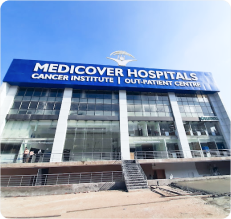
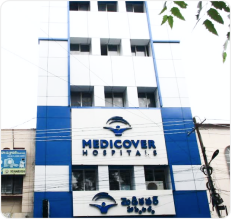
Our Hospitals in Telangana







Frequently Asked Questions
A uro oncologist is a specialist who diagnoses and treats cancers affecting the urinary tract and male reproductive organs, including the prostate, kidneys, bladder, testicles, penis, and adrenal glands.
Uro oncologists commonly treat prostate cancer, kidney cancer, bladder cancer, testicular cancer, penile cancer, ureteral cancer, renal pelvic cancer, and adrenal gland tumours.
Common symptoms may include blood in the urine, difficulty urinating, frequent urination, pelvic pain, lower back pain, unexplained weight loss, or a lump in the testicle. Some cancers may not cause symptoms in the early stages.
Prostate cancer is diagnosed using PSA blood tests, digital rectal examination (DRE), multiparametric MRI, prostate biopsy, and other imaging tests when required.
Yes. For selected patients, partial nephrectomy allows removal of the tumour while preserving the healthy portion of the kidney.
Yes. Robotic-assisted surgery is commonly used for selected urological cancers as it offers greater precision, smaller incisions, reduced blood loss, and faster recovery.
Treatment may include transurethral tumour resection (TURBT), robotic or open surgery, chemotherapy, immunotherapy, radiation therapy, or bladder reconstruction depending on the stage of the disease.
Follow-up schedules depend on the type of cancer and treatment received. Regular check-ups, imaging studies, and laboratory tests help monitor recovery and detect any recurrence early.
Yes. Routine health check-ups, timely evaluation of urinary symptoms, PSA testing when appropriate, imaging studies, and early consultation with a specialist can help detect many urological cancers in their early stages.
You should consult a uro oncologist if you experience blood in the urine, difficulty urinating, persistent urinary symptoms, pelvic or flank pain, an elevated PSA level, a testicular lump, or if you have been diagnosed with or are suspected of having a urological cancer.


