 Call
Call Patient Reports
Uro Oncology Doctors in Chh. Sambhaji Nagar

Dr Shruti Surushe
- Specialist uro oncology assessment for different urinary and male reproductive cancers.
- Diagnostic evaluation to help identify tumours and establish their stage.
- Availability of minimally invasive approaches for appropriate surgical cases.
- Robotic-assisted techniques may be considered for selected urological cancer procedures.
- Collaboration with medical, radiation, radiology, and pathology teams when required.
- Treatment strategies developed according to tumour characteristics and individual health factors.
- Post-treatment reviews to assess recovery and monitor disease status.
- Attention to urinary function, general wellbeing, and quality of life during care.
- Prostate cancer
- Kidney cancer
- Bladder cancer
- Testicular cancer
- Penile cancer
- Ureteral cancer
- Renal pelvis cancer
- Upper urinary tract cancer
- Adrenal gland tumours
- Recurrent urological cancers
- Robotic-Assisted Urological Surgery: Uses robotic technology to assist with precise minimally invasive procedures for selected urological cancers.
- Radical Prostatectomy: Removal of the prostate gland may be advised for appropriately selected patients with prostate cancer.
- Partial Nephrectomy: Removes the kidney tumour while retaining unaffected kidney tissue when clinically feasible.
- Radical Nephrectomy: Complete removal of the affected kidney may be performed when the tumour requires this approach.
- Radical Cystectomy: Removal of the urinary bladder for selected invasive bladder cancers, with urinary reconstruction when necessary.
- Retroperitoneal Lymph Node Dissection: Removal of selected lymph nodes may be considered in the treatment of certain testicular cancers.
- Bladder Preservation Treatment: Selected patients may receive a combination of treatment modalities aimed at controlling bladder cancer while retaining bladder function.
- Robotic Surgical Technology: Supports minimally invasive urological cancer operations requiring detailed surgical control.
- Multiparametric MRI: Provides detailed imaging of the prostate and helps assess suspicious areas.
- CT Imaging: Helps evaluate tumours involving the urinary system and assess surrounding structures.
- PET-CT: May be used in appropriate cases to assess the distribution of cancer and support staging.
- Flexible Cystoscopy: Enables direct visual assessment of the bladder and urethra.
- Histopathology and Molecular Testing: Provides information about tumour tissue and may assist in selecting appropriate treatment strategies.
- PSA Testing: Measures prostate-specific antigen levels as part of the evaluation of prostate-related abnormalities.
- Multiparametric Prostate MRI: Offers detailed visualisation of the prostate and suspicious lesions.
- Cystoscopy: Allows the specialist to examine the inner surface of the bladder and urethra.
- Ultrasound of the Kidneys and Bladder: Helps identify certain structural abnormalities within the urinary system.
- CT Urography: Provides detailed imaging of the kidneys, ureters, and urinary bladder.
- PET-CT: May help assess the extent of cancer in selected patients when staging information is required.
- Biopsy and Histopathological Examination: Analyses tissue samples to confirm malignancy and determine relevant tumour characteristics.
- Review of urinary, reproductive, or other relevant symptoms.
- Assessment of previous medical history and treatment details.
- Examination of available scans, laboratory investigations, and pathology reports.
- Discussion of the suspected or confirmed cancer and its stage.
- Explanation of surgical, minimally invasive, and other available treatment approaches.
- Coordination with other oncology specialists whenever multidisciplinary care is appropriate.
- Advice regarding post-treatment reviews, recovery, and ongoing cancer surveillance.
Specialist Uro Cancer Care for Prostate, Kidney and Bladder Conditions in Chhatrapati Sambhaji Nagar
At Medicover Hospitals, Aurangabad, our uro oncologists provide specialised care for cancers arising in the urinary tract and male reproductive system. The team evaluates and manages prostate, kidney, bladder, testicular, penile, ureteral, renal pelvic, and adrenal cancers. Depending on the diagnosis and extent of disease, patients may be considered for minimally invasive surgery, robotic-assisted procedures, or other cancer-specific treatment approaches.
Urological cancer care is planned after assessing important factors such as the tumour site, size, grade, pathology findings, stage, possible spread, and the patient's overall health. Our uro oncology specialists work with medical oncologists, radiation oncologists, radiologists, pathologists, and other healthcare professionals whenever multidisciplinary input is required. This coordinated approach helps create a treatment pathway that considers both cancer control and recovery.
Why Choose Medicover Hospitals for Uro Oncology Treatment in Aurangabad?
Medicover Hospitals offers a coordinated uro oncology service supported by specialist consultation, cancer diagnostic facilities, surgical expertise, and collaboration across related medical disciplines. Care is planned according to the patient's diagnosis, treatment requirements, and overall health.
Cancers of the Urinary Tract and Male Reproductive System We Manage
Our uro oncologists evaluate a broad range of malignant conditions affecting the urinary organs and male reproductive system. Following diagnostic confirmation, the recommended treatment is based on the tumour's characteristics, stage, location, and the patient's clinical requirements.
Uro Cancer Surgeries and Treatment Modalities Available in Aurangabad
After completing the necessary investigations, the uro oncologist determines which treatment options are appropriate for the patient's cancer. Depending on the disease, management may involve cancer surgery, kidney-preserving procedures, robotic techniques, bladder-directed treatment, or combined therapies involving other oncology specialists.
Modern Technology Supporting Urological Cancer Management
Advanced imaging, endoscopic assessment, surgical technology, and specialised laboratory techniques can provide valuable information throughout the uro oncology journey. These technologies assist specialists in identifying abnormalities, evaluating disease extent, planning procedures, analysing tumour tissue, and monitoring patients after treatment.
Diagnostic Workup for Suspected Urological Malignancies
Accurate diagnosis is an important part of determining the appropriate cancer treatment. Depending on the symptoms and suspected tumour, our specialists may recommend blood investigations, imaging studies, endoscopic procedures, or tissue sampling. The results help establish the diagnosis, assess disease progression, and guide further management.
Your First Visit With a Uro Oncologist in Aurangabad
During your consultation at Medicover Hospitals, the uro oncologist reviews your symptoms, medical history, previous treatments, investigation reports, imaging findings, and biopsy results where available. The specialist explains the diagnosis and its implications, discusses possible treatment pathways, and recommends additional investigations if needed. Follow-up requirements are also explained according to the nature and stage of the cancer.
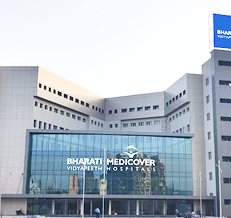
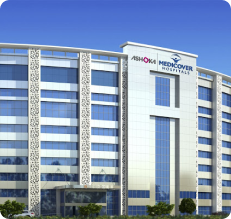
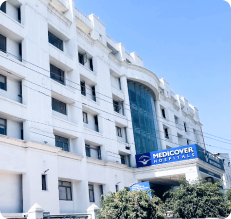
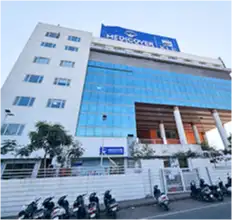
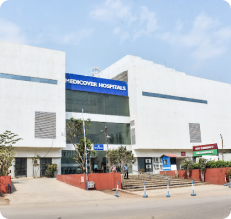
Our Hospitals in Maharashtra
Frequently Asked Questions
A urologist treats general urinary system conditions, while a uro oncologist specialises in diagnosing and treating cancers of the urinary tract and male reproductive system, including prostate, kidney, and bladder cancers.
Risk factors may include increasing age, smoking, family history of cancer, obesity, exposure to certain chemicals, chronic urinary conditions, and inherited genetic changes.
Yes. Certain tests such as PSA screening, urine tests, imaging studies, and clinical evaluations can help detect some urological cancers early, especially in people with risk factors.
During a consultation, the uro oncologist reviews your symptoms, medical history, previous reports, imaging scans, and biopsy results before explaining the diagnosis and suitable treatment options.
Recovery time depends on the type of surgery, cancer stage, and overall health. Minimally invasive and robotic procedures may help reduce hospital stay and support quicker recovery.
No. Treatment depends on factors such as cancer stage, tumour characteristics, age, and overall health. Options may include active surveillance, surgery, radiation therapy, hormone therapy, or other treatments.
Cancer staging helps determine how advanced the disease is and guides the selection of the most suitable treatment approach for better outcomes.
Yes, kidney cancer can recur in some patients. Regular follow-up visits, imaging tests, and monitoring help detect any changes early.
Genetic testing may help identify inherited cancer risks in selected patients, especially those with a strong family history or certain types of urological cancers.
Carry previous medical records, scan reports, biopsy results, blood test reports, medication details, and a list of symptoms or concerns to help your uro oncologist make an accurate assessment.


