 Call
 Patient Reports
Robotic Gynecologic Surgery Doctors in Secunderabad

Dr Madhavi Dokku
- Specialists experienced in robotic-assisted gynecologic procedures.
- Care plans developed according to individual symptoms, diagnosis, and surgical needs.
- Robotic technology offering enhanced dexterity and controlled instrument movement.
- Management of a broad range of benign and complex pelvic conditions.
- Access to coordinated support from gynecology, oncology, fertility, anaesthesia, and critical care teams.
- Minimally invasive techniques that can involve smaller surgical openings and less tissue disruption.
- Structured recovery guidance aimed at reducing discomfort and supporting an earlier return to routine activities.
- Ongoing monitoring and follow-up after the procedure.
- Uterine fibroids.
- Endometriosis.
- Ovarian cysts requiring operative treatment.
- Persistent or abnormal uterine bleeding.
- Adenomyosis requiring surgical management.
- Pelvic organ prolapse.
- Selected early-stage gynecologic malignancies.
- Complex pelvic masses requiring surgical evaluation.
- Extensive pelvic adhesions.
- Selected reproductive or infertility-related conditions requiring surgery.
- Fibroids causing persistent pelvic discomfort or heavy menstrual bleeding.
- Endometriosis associated with significant pain or other complications.
- Ovarian cysts that require surgical assessment or removal.
- Bleeding abnormalities for which operative treatment is recommended.
- Pelvic support problems affecting mobility, comfort, or daily activities.
- A planned hysterectomy or uterine fibroid removal.
- Selected gynecologic cancers requiring surgical treatment.
- Complex pelvic disease where conventional surgery may benefit from robotic assistance.
- Robotic Uterus Removal: Robotic-assisted hysterectomy for appropriately selected gynecological conditions.
- Uterine Fibroid Surgery: Robotic myomectomy to remove fibroids while preserving the uterus when medically suitable.
- Endometriosis Excision: Precise removal of visible endometriotic tissue using minimally invasive techniques.
- Robotic Ovarian Procedures: Surgical management of selected ovarian cysts and other ovarian conditions.
- Pelvic Support Repair: Robotic-assisted reconstruction for selected cases of pelvic organ prolapse.
- Robotic Cancer Procedures: Minimally invasive surgery for certain early-stage gynecological cancers.
- Minimally Invasive Robotic Treatment: Surgical procedures carried out through small incisions with robotic instrument assistance.
- Advanced Pelvic Surgery: Management of complicated pelvic disorders requiring detailed surgical dissection.
- Uterus-Sparing Procedures: Selected surgical approaches intended to preserve the uterus and reproductive potential when appropriate.
- Pelvic Floor Repair: Reconstruction of weakened pelvic support structures in suitable patients.
- Gynecologic Cancer Treatment: Robotic-assisted cancer surgery when the disease stage and clinical assessment make it appropriate.
- Recovery and Follow-Up Care: Post-operative monitoring, recovery advice, and scheduled clinical reviews.
- Three-Dimensional Surgical Visualisation: High-definition imaging helps surgeons view anatomical structures in greater detail.
- Articulated Robotic Instruments: Flexible instrument movement supports precise dissection and suturing in confined pelvic areas.
- Enhanced Laparoscopic Systems: High-resolution imaging assists with intraoperative visibility.
- Advanced Tissue-Sealing Equipment: Modern energy technologies assist with controlled tissue dissection and bleeding management.
- Diagnostic Imaging Support: Ultrasound, MRI, and CT findings may be used to guide diagnosis and surgical planning.
- Robotic-Ready Operating Theatres: Specialised operating-room infrastructure supports complex minimally invasive procedures.
- Assessment of current symptoms and relevant medical history.
- Review of previous investigations, scans, and treatment records.
- Gynecological examination when clinically required.
- Evaluation of whether robotic-assisted surgery is appropriate for your condition.
- Explanation of the proposed procedure, benefits, limitations, and possible risks.
- Preparation of an individualised surgical and recovery plan.
Advanced Robotic Gynecologic Care for Women in Secunderabad
At Medicover Hospitals, women can access specialised robotic-assisted gynecologic surgery for conditions that may require precise and minimally invasive intervention. Our surgical team uses advanced robotic technology to improve instrument control, visualisation, and accuracy during complex procedures.
With a patient-centred approach, our specialists evaluate each woman's condition carefully before recommending surgery. Robotic techniques may help reduce incision size, minimise tissue disruption, support smoother recovery, and enable patients to resume routine activities sooner when clinically appropriate.
Why Women in Secunderabad Choose Our Robotic Gynecologic Care
Medicover Hospitals combines specialised gynecologic expertise, robotic-assisted surgical capabilities, and coordinated hospital care to support women through diagnosis, treatment, surgery, and recovery.
Gynecologic Conditions That May Benefit From Robotic Surgery
Robotic-assisted techniques may be considered for selected gynecological disorders where minimally invasive surgery and enhanced surgical control are clinically appropriate.
When Is Robotic Gynecologic Surgery Worth Discussing?
A consultation with a robotic gynecologic surgeon may be appropriate when medication has not adequately controlled a condition or when surgery has been advised and a minimally invasive robotic approach may be suitable.
Robotic Procedures Available for Gynecologic Conditions
Depending on the diagnosis and overall health of the patient, our robotic gynecologic specialists may recommend several minimally invasive surgical procedures.
Personalised Treatments From Our Robotic Gynecologic Specialists
At Medicover Hospitals, treatment is planned around the woman's diagnosis, reproductive goals, overall health, and suitability for robotic-assisted surgery.
Robotic Technology Supporting Precision Gynecologic Surgery
Our robotic surgical team uses modern operating-room technology and diagnostic tools to support detailed planning and controlled execution of minimally invasive gynecologic procedures.
Understanding Your Robotic Gynecology Consultation
Your consultation begins with a detailed discussion about your symptoms, previous treatments, medical history, and diagnostic findings. The specialist then determines whether robotic surgery is appropriate and explains the recommended procedure, possible alternatives, expected recovery, and potential risks.
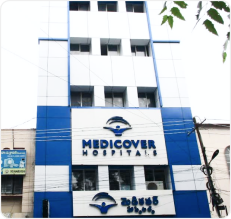
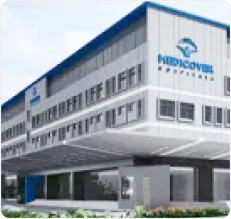
Our Hospitals in Telangana







Frequently Asked Questions
Robotic gynecologic surgery is a minimally invasive surgical technique that uses a robotic-assisted system to help surgeons perform complex gynecological procedures with enhanced precision, flexibility, and control.
Robotic surgery is commonly used to treat uterine fibroids, endometriosis, ovarian cysts, adenomyosis, abnormal uterine bleeding, pelvic organ prolapse, selected infertility-related conditions, and certain gynecologic cancers.
The procedure offers smaller incisions, less blood loss, reduced pain, minimal scarring, lower risk of complications, shorter hospital stays, and faster recovery compared to traditional open surgery.
Women with gynecological conditions that require surgical treatment may be suitable candidates. Your surgeon will determine if robotic-assisted surgery is the best option after evaluating your medical history and condition.
Both are minimally invasive techniques, but robotic surgery provides enhanced 3D visualization, greater instrument flexibility, and improved precision, making it beneficial for many complex gynecological procedures.
Recovery is usually quicker than open surgery. Most patients can return to their normal daily activities within a few weeks, depending on the procedure performed and individual healing.
Yes. Procedures such as robotic myomectomy and robotic endometriosis surgery are often performed to preserve the uterus and reproductive organs whenever medically appropriate.
Most patients experience less post-operative pain because robotic surgery uses small incisions and causes less tissue trauma compared to conventional open surgery.
Your surgeon may recommend blood tests, imaging studies, medication adjustments, fasting before surgery, and other pre-operative instructions based on your individual health condition.
You can consult experienced robotic gynecologic surgeons at Medicover Hospitals in Secunderabad for advanced minimally invasive surgery, personalised treatment planning, and comprehensive post-operative care.


