 Call
 Patient Reports
Robotic Gynecologic Surgery Doctors in Financial District

Dr Kavitha Naragoni

Dr Prithvi Perum
- Skilled surgeons with expertise in robotic-assisted minimally invasive gynecologic procedures.
- Advanced robotic systems designed to improve surgical control and dexterity.
- Individual treatment planning based on the patient's specific condition.
- Management of common gynecological disorders as well as complex pelvic conditions.
- Integrated support from gynecology, oncology, fertility, anaesthesia, and critical care specialists.
- Minimally invasive techniques that may require smaller incisions and cause less tissue disruption.
- Recovery-focused care with attention to pain management and mobility after surgery.
- Planned follow-up appointments to monitor healing and recovery.
- Uterine fibroids.
- Endometriosis.
- Ovarian cysts requiring operative treatment.
- Persistent abnormal uterine bleeding.
- Adenomyosis requiring surgical intervention.
- Pelvic organ prolapse and related support disorders.
- Selected early-stage gynecological cancers.
- Complex pelvic or adnexal masses.
- Severe pelvic adhesions.
- Selected infertility-associated conditions requiring corrective surgery.
- Fibroids causing prolonged or heavy menstrual bleeding.
- Endometriosis with persistent pelvic pain despite medical management.
- Ovarian cysts that are large, persistent, symptomatic, or require removal.
- Uterine bleeding that requires operative evaluation or treatment.
- Pelvic organ prolapse causing discomfort or difficulty with daily activities.
- Requirement for hysterectomy or surgical removal of fibroids.
- Selected gynecological cancers where minimally invasive surgery is appropriate.
- Complex pelvic disorders requiring advanced surgical techniques.
- Robotic Hysterectomy: Removal of the uterus through a minimally invasive robotic-assisted approach for appropriate conditions.
- Robotic Myomectomy: Targeted removal of uterine fibroids while retaining the uterus when preservation is medically appropriate.
- Robotic Endometriosis Excision: Careful removal of endometriotic tissue with enhanced visualisation and instrument control.
- Robotic Ovarian Procedures: Minimally invasive surgery for selected ovarian cysts and other ovarian disorders.
- Robotic Pelvic Reconstruction: Repair of selected pelvic floor and prolapse-related conditions using robotic assistance.
- Robotic Gynecologic Cancer Surgery: Surgical management of selected early-stage gynecological malignancies.
- Robotic Minimally Invasive Procedures: Surgical treatment performed through small access points with robotic instrument assistance.
- Complex Pelvic Operations: Advanced surgical management for difficult or extensive pelvic conditions.
- Reproductive-Preserving Surgery: Selected procedures aimed at maintaining fertility or preserving reproductive organs when feasible.
- Pelvic Floor Reconstruction: Surgical correction of selected pelvic support abnormalities.
- Robotic-Assisted Oncology Surgery: Minimally invasive cancer procedures for patients who meet the required clinical criteria.
- Recovery Management: Post-operative instructions, monitoring, and follow-up to support safe healing.
- High-Definition 3D Vision: Detailed three-dimensional views help surgeons identify anatomical structures during surgery.
- Precision Robotic Instruments: Wristed instruments provide controlled movement for delicate pelvic procedures.
- Enhanced Laparoscopic Imaging: High-resolution visual systems assist with minimally invasive surgical navigation.
- Advanced Energy Instruments: Devices designed to support tissue separation and bleeding control during surgery.
- Imaging-Based Surgical Planning: Ultrasound, MRI, and CT findings can assist specialists in determining the appropriate treatment approach.
- Specialised Operating Theatre Setup: Modern infrastructure supports robotic-assisted and complex minimally invasive procedures.
- Discussion of symptoms, menstrual history, and relevant medical concerns.
- Review of previous treatments and surgical history.
- Assessment of ultrasound, MRI, CT, or other available reports.
- Gynecological examination when required for clinical evaluation.
- Explanation of appropriate robotic and non-robotic treatment options.
- Planning of surgery, recovery, and follow-up according to individual needs.
Advanced Robotic-Assisted Gynecologic Surgery for Women in Financial District
At Medicover Hospitals, women in Financial District can receive specialised care for gynecological conditions that may require minimally invasive surgery. Our robotic gynecologic specialists use advanced robotic-assisted systems to support precise movements, detailed visualisation, and controlled surgical techniques.
Each treatment plan is developed after considering the patient's diagnosis, symptoms, medical history, and individual needs. When robotic surgery is clinically suitable, this approach can help limit surgical trauma, reduce discomfort, and support a smoother recovery with a timely return to everyday activities.
Specialised Robotic Gynecologic Care Available in Financial District
Medicover Hospitals provides coordinated robotic gynecologic care supported by experienced surgeons, modern surgical infrastructure, and a multidisciplinary team focused on individualised treatment.
Gynecological Conditions Treated With Robotic-Assisted Techniques
Robotic surgery may be considered for selected gynecological problems where minimally invasive treatment can provide the required surgical access and precision.
Signs and Conditions That May Lead to a Robotic Surgery Consultation
A robotic gynecologic consultation can be considered when surgery has been advised and the specialist determines that a robotic-assisted minimally invasive approach is appropriate for the patient's condition.
Robotic Procedures Performed for Selected Gynecologic Conditions
Our specialists use robotic-assisted techniques for a range of gynecologic operations, with the choice of procedure determined by the patient's diagnosis and clinical suitability.
Individualised Treatment Options From Our Robotic Gynecology Team
Our robotic gynecologic specialists create treatment strategies that consider disease severity, reproductive goals, previous procedures, and overall health before surgery is recommended.
Modern Robotic Systems and Surgical Support Technologies
Our surgical teams combine robotic technology with advanced imaging and operating-room equipment to support accurate planning and controlled execution of gynecologic procedures.
How Your Robotic Gynecology Consultation Is Planned
Your first appointment focuses on understanding your symptoms, previous medical care, diagnostic findings, and treatment goals. The specialist assesses whether robotic surgery is suitable and explains the procedure, alternatives, expected recovery, and possible risks before developing a personalised plan.
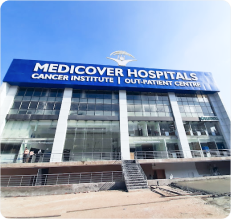
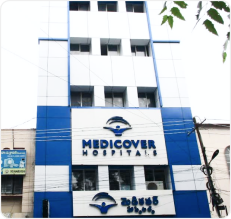
Our Hospitals in Telangana






Frequently Asked Questions
Robotic gynecologic surgery is an advanced minimally invasive surgical technique that uses a robotic-assisted system to help surgeons perform complex gynecological procedures with greater precision, flexibility, and control.
Robotic surgery can be used to treat uterine fibroids, endometriosis, ovarian cysts, adenomyosis, abnormal uterine bleeding, pelvic organ prolapse, selected infertility-related conditions, and certain gynecologic cancers.
Benefits include smaller incisions, reduced blood loss, less pain, lower risk of complications, minimal scarring, shorter hospital stays, and faster recovery compared to traditional open surgery.
Women requiring surgery for suitable gynecological conditions may be candidates for robotic-assisted procedures. Your surgeon will determine whether this approach is appropriate after evaluating your medical condition.
Both are minimally invasive techniques. Robotic surgery offers enhanced 3D visualisation, greater instrument precision, and improved dexterity, which can be particularly beneficial for certain complex gynecological procedures.
Recovery is generally quicker than open surgery. Most patients can resume their normal daily activities within a few weeks, depending on the type of procedure performed and their overall health.
Yes. In selected cases, robotic procedures such as myomectomy or endometriosis surgery can help preserve the uterus and reproductive organs, supporting future fertility whenever clinically appropriate.
Most patients experience less pain after robotic-assisted surgery because it involves smaller incisions and causes less tissue damage than traditional open surgery.
Your surgeon may recommend blood tests, imaging studies, medication adjustments, fasting before surgery, and other pre-operative instructions based on your individual health condition.
You can consult experienced robotic gynecologic surgeons at Medicover Hospitals in Financial District for advanced minimally invasive surgery, personalised treatment planning, and comprehensive post-operative care.


