 Call
Call Patient Reports
Interventional Radiology Doctors in Secunderabad
- Experienced interventional radiologists performing advanced minimally invasive procedures.
- High-precision imaging guidance using CT, ultrasound, fluoroscopy, and angiography.
- Personalized treatment plans based on individual medical conditions.
- Smaller incisions with less pain and faster recovery.
- Reduced hospital stay for many procedures.
- Collaboration with oncology, vascular surgery, nephrology, neurology, and gastroenterology specialists.
- Advanced Cath Lab and modern imaging facilities.
- Continuous follow-up before and after procedures.
- Blocked arteries and veins.
- Peripheral artery disease.
- Varicose veins.
- Deep vein thrombosis (DVT).
- Liver tumors.
- Kidney tumors.
- Uterine fibroids.
- Internal bleeding.
- Brain aneurysms.
- Arteriovenous malformations (AVMs).
- Portal hypertension.
- Chronic pain requiring image-guided interventions.
- Persistent leg pain caused by poor circulation.
- Painful varicose veins.
- Liver or kidney tumors requiring targeted treatment.
- Abnormal bleeding that requires embolization.
- Blocked blood vessels affecting circulation.
- Need for image-guided biopsy.
- Dialysis access problems.
- Need for minimally invasive treatment due to high surgical risk.
- Detailed medical history.
- Physical examination.
- Blood investigations.
- Ultrasound examination.
- CT scan or MRI.
- Diagnostic angiography when required.
- Assessment of previous imaging studies.
- Procedure planning based on clinical findings.
- Angioplasty and Stenting: Opens narrowed or blocked arteries using balloons and stents to restore healthy blood flow.
- Embolization Procedures: Blocks abnormal blood vessels to control bleeding, treat fibroids, aneurysms, and certain tumors.
- Tumor Ablation: Radiofrequency, microwave, or cryoablation destroys selected tumors without major surgery.
- Transarterial Chemoembolization (TACE): Delivers chemotherapy directly into liver tumors while reducing their blood supply.
- Varicose Vein Treatment: Minimally invasive procedures close damaged veins and improve blood circulation.
- Image-Guided Biopsy: Accurate tissue sampling using CT or ultrasound guidance for diagnosis.
- Drainage Procedures: Image-guided drainage of infected fluid collections or abscesses with minimal discomfort.
- Vascular Access Procedures: Placement of dialysis catheters, ports, and central venous access devices using imaging guidance.
- Advanced Cath Lab.
- High-resolution Digital Fluoroscopy.
- CT-guided intervention facilities.
- Ultrasound-guided procedure rooms.
- MRI and CT imaging support.
- 3D angiography systems.
- Modern recovery and observation units.
- Dedicated day-care procedure facilities.
- Electronic medical records.
- Multidisciplinary specialist support.
- Discussion of symptoms and medical history.
- Review of previous scans and investigations.
- Physical examination.
- Assessment of treatment options.
- Explanation of the recommended procedure.
- Pre-procedure instructions.
- Discussion of recovery expectations.
- Medication review.
- Planning follow-up appointments.
- Opportunity to ask questions and understand your treatment plan.
Expert Interventional Radiologists for Minimally Invasive Treatments in Secunderabad
Interventional Radiology is a highly specialized field that uses advanced imaging guidance to diagnose and treat various medical conditions through minimally invasive procedures. Our Interventional Radiologists in Secunderabad perform image-guided treatments using ultrasound, CT scan, fluoroscopy, MRI, and angiography, helping patients recover faster with less pain, smaller incisions, and shorter hospital stays.
At Medicover Hospitals, our experienced interventional radiologists work closely with specialists across multiple departments to provide personalized treatment for vascular diseases, cancers, liver disorders, kidney conditions, uterine fibroids, varicose veins, and many other complex medical problems. Every procedure is carefully planned to ensure precision, safety, and optimal patient outcomes.
Whether you require emergency vascular intervention, tumor ablation, embolization, angioplasty, or image-guided biopsies, our specialists offer advanced minimally invasive solutions that help reduce recovery time while delivering effective treatment.
Why Choose Our Interventional Radiologists at Medicover Hospitals in Secunderabad?
Many conditions that once required major surgery can now be treated through image-guided procedures. At Medicover Hospitals our specialists combine clinical expertise with advanced imaging technology to deliver safe and effective care.
Conditions Our Interventional Radiologists Treat at Medicover Hospitals, Secunderabad
Our specialists diagnose and treat a wide range of conditions using image-guided minimally invasive techniques.
When Should You Consult Our Interventional Radiologists?
You may benefit from Interventional Radiology if your condition can be treated through minimally invasive procedures instead of conventional surgery.
Early evaluation helps determine whether a minimally invasive procedure is the most suitable treatment option
How Our Interventional Radiologists Evaluate Your Condition at Medicover Hospitals
Our specialists perform a detailed evaluation before recommending the most appropriate image-guided procedure.
Interventional Radiology Treatments Offered at Medicover Hospitals, Secunderabad
Our specialists perform a wide range of advanced image-guided procedures using minimally invasive techniques.
Our Advanced Technology & Facilities for Interventional Radiology at Medicover Hospitals
At Medicover Hospitals in Secunderabad, modern imaging systems and dedicated interventional suites help deliver precise and safe minimally invasive procedures.
What to Expect During Your Consultation with Our Interventional Radiologists at Medicover Hospitals, Secunderabad?
Your consultation focuses on understanding your condition, reviewing imaging findings, and determining whether an image-guided minimally invasive procedure is suitable for you. Our specialists explain every step of the procedure, expected benefits, possible risks, and recovery process.
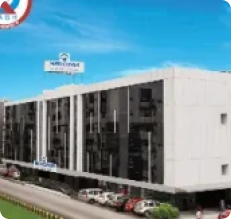
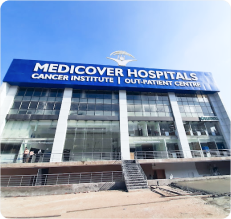
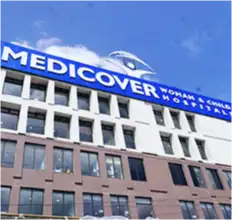
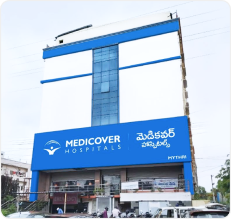
Our Hospitals in Telangana


Popular Searches
Frequently Asked Questions
Interventional Radiology uses advanced imaging guidance to diagnose and treat a wide range of conditions, including blocked arteries, varicose veins, tumors, internal bleeding, uterine fibroids, kidney disorders, and vascular diseases through minimally invasive procedures.
Most Interventional Radiology procedures are performed through a small needle puncture or tiny incision using imaging guidance. This often results in less pain, reduced blood loss, faster recovery, shorter hospital stays, and minimal scarring.
Most procedures are performed using local anesthesia, conscious sedation, or general anesthesia depending on the treatment. Patients usually experience minimal discomfort during and after the procedure.
Recovery depends on the type of procedure performed. Many patients can return to normal daily activities within a few days, while more complex procedures may require a longer recovery period.
Yes. Many patients who have high surgical risk due to age or other medical conditions may benefit from minimally invasive Interventional Radiology procedures as an alternative treatment option.
Interventional Radiologists use technologies such as ultrasound, CT scan, fluoroscopy, angiography, and MRI to guide instruments accurately during diagnosis and treatment.
No. Many Interventional Radiology procedures are performed as day-care treatments, allowing patients to return home on the same day. Some complex procedures may require short hospital observation.
Yes. Follow-up visits help monitor recovery, evaluate treatment success, review imaging when necessary, and address any concerns after the procedure.
Interventional Radiologists often collaborate with vascular surgeons, oncologists, gastroenterologists, nephrologists, neurologists, gynecologists, urologists, and other specialists to provide coordinated patient care.
Medicover Hospitals in Secunderabad offers experienced Interventional Radiologists, advanced imaging technology, modern Cath Lab facilities, minimally invasive treatment options, multidisciplinary expertise, and personalized follow-up care for a wide range of complex medical conditions.


